

My interest in sports nutrtion started long before my career in physical therapy. Years of football, marathon training, and overcoming my own struggles with fatigue led me to question the foods I relied on every day. Working alongside my wife, Kylene Bogden, a registered dietitian specializing in Functional Sports Nutrition, completely changed how I evaluate protein bars and other convenience foods.
Before recommending any bar, I personally tested many of them during training, travel, and busy clinic days, evaluating taste, texture, digestibility, and recovery. I then validated my experience by comparing ingredient labels, nutrition facts, brand transparency, and hundreds of reviews from Amazon, Reddit, retailer websites, and nutrition communities. The result is this curated list of the 13 cleanest protein bars I would confidently recommend to athletes, patients, and health-conscious consumers.
How I Evaluated These Clean Protein Bars
I did not rank these protein bars based solely on protein content or marketing claims. I personally tested many of them during marathon training, post-workout recovery, travel, and busy clinic days to evaluate their taste, texture, digestibility, and overall satisfaction. I then validated my experience by reviewing ingredient labels, nutrition facts, brand transparency, and hundreds of verified customer reviews from Amazon, Reddit, Whole Foods, Target, Walmart, and other trusted sources.
Each protein bar was evaluated using the following criteria:
- Protein quality: Whole-food or minimally processed protein sources, amino acid profile, and recovery potential.
- Ingredient quality: No seed oils, artificial sweeteners, sugar alcohols, or unnecessary fillers.
- Taste and texture: Flavor, sweetness, consistency, and overall eating experience.
- Digestibility: How well the bar sat before workouts, after training, or as an everyday snack.
- Nutrition profile: Protein, carbohydrates, fiber, healthy fats, and overall calorie balance.
- Brand transparency: Clear ingredient sourcing, third-party certifications, and manufacturing standards.
- Community feedback: Consistent praise and complaints gathered from verified customer reviews and nutrition communities.
What Makes a Protein Bar “Clean”?
To me, a clean protein bar is about much more than protein grams or low sugar. It should deliver quality nutrition from recognizable ingredients that support recovery without relying on artificial sweeteners, sugar alcohols, refined seed oils, or unnecessary fillers. If I would not recommend the ingredients to my patients, I would not recommend the bar.
To make this list, every protein bar had to meet these standards:
- Quality protein: Whole-food or minimally processed sources like whey, egg whites, beef protein, collagen, or balanced plant proteins.
- Natural sweeteners: Dates, raw honey, coconut sugar, monk fruit, or allulose.
- Healthy fats: Nut butters, coconut oil, MCT oil, or beef tallow instead of refined seed oils.
- Simple ingredients: Short, recognizable ingredient lists with minimal additives.
- Brand transparency: Clear labeling, quality sourcing, and trusted third-party certifications whenever available.
Many bars look healthy on the front of the package but fail these standards once you read the ingredient list. That is why every recommendation below is based on what is actually inside the wrapper, not the marketing on the label.
How I Calculated These Clean Scores
I did not rank these protein bars based solely on protein content or marketing claims. Every bar was evaluated using the same framework, combining my firsthand testing with ingredient quality, nutrition, brand transparency, and recurring customer feedback. Each category was weighted based on its importance, resulting in the final Michael’s Clean Score out of 10.
| Evaluation Criteria | Weight | What I Evaluated |
| Ingredient Quality | 30% | Whole-food ingredients, minimal processing, and the absence of artificial sweeteners, sugar alcohols, refined seed oils, and unnecessary additives. |
| Protein Quality | 20% | Protein source, amino acid profile, bioavailability, and overall recovery potential. |
| Nutrition Profile | 15% | Protein, carbohydrates, fiber, healthy fats, calories, and overall nutritional balance. |
| Taste & Texture | 15% | Flavor, sweetness, consistency, mouthfeel, and overall eating experience. |
| Digestibility | 10% | How comfortably the bar digested before workouts, after training, and as an everyday snack. |
| Brand Transparency | 5% | Ingredient sourcing, manufacturing practices, certifications, and labeling transparency. |
| Community Feedback | 5% | Consistent themes from verified customer reviews on Amazon, Reddit, and trusted retailer websites. |
No protein bar earned a perfect 10/10 because every product has trade-offs. The final score reflects how each bar performed across all seven categories rather than on a single factor such as protein content or taste.
What Are the Cleanest Protein Bars?
The cleanest protein bars use whole-food protein sources such as grass-fed whey, egg whites, beef protein, marine collagen, or whole-food plant blends, sweeten naturally with dates, raw honey, monk fruit, or allulose, and contain no seed oils, artificial sweeteners, sugar alcohols, or unrecognizable fillers. Based on evaluation of over 40 bars across ingredient quality, protein source, macro balance, and third-party certifications, the 13 cleanest protein bars in 2026 are:
- RXBAR Real Food Protein Bars
- GoMacro MacroBars
- RAWR Organics Bars
- Bare Bar by PowerFit Foods
- Rise Bar
- IQBAR
- Skout Organic Protein Bars
- Transparent Labs Protein+ Bar
- ALOHA Plant-Based Protein Bars
- Epic Meat Bars
- Wellcome Adaptogenic Bars
- Wild Zora Meat and Veggie Bars
- LYFfuel Daily Essentials Meal Replacement Bars
The 13 Cleanest Protein Bars
After testing many of these bars myself and comparing my experience with ingredient quality, nutrition, and real customer feedback, I recommend these 13 cleanest protein bars. Every bar below meets my clean ingredient standards, but each stands out for a different reason, whether that is recovery, whole-food ingredients, plant-based nutrition, or convenience.
- RXBAR Real Food Protein Bars
- GoMacro MacroBars
- RAWR Organics Bars
- Bare Bar by PowerFit Foods
- Rise Bar
- IQBAR
- Skout Organic Protein Bars
- Transparent Labs Protein+ Bar
- ALOHA Plant-Based Protein Bars
- Epic Meat Bars
- Wellcome Adaptogenic Bars
- Wild Zora Meat and Veggie Bars
- LYFfuel Daily Essentials Meal Replacement Bars
| Protein Bar | Best For | Cost | Protein | Sweetener | Key Certifications | Michael’s Fuel Clean Score |
| RXBAR | Overall ingredient transparency | $27.99/12 bars | 12g | Dates | Gluten-Free | 9.8/10 |
| GoMacro | Organic plant-based nutrition | $25.20/12 bars | 10–11g | Brown rice syrup, dates | USDA Organic, Non-GMO, Gluten-Free | 9.6/10 |
| RAWR Organics | Fresh whole-food nutrition | $36.79/12 bars | 18–21g | Coconut sugar, dates | USDA Organic, Vegan, Paleo | 9.7/10 |
| Bare Bar | Animal-based recovery | $29.99/12 bars | 20g | Raw honey | Gluten-Free, Paleo | 9.9/10 |
| Rise Bar | Minimal ingredients | $30.99/12 bars | 20g | Raw honey | Gluten-Free | 9.6/10 |
| IQBAR | Low-carb nutrition | $33.00/12 bars | 12g | Allulose, Stevia | Vegan, Keto, Gluten-Free | 9.3/10 |
| Skout Organic | Organic whole-food snack | $35.99/15 bars | 10g | Dates | USDA Organic, Vegan, Gluten-Free | 9.4/10 |
| Transparent Labs | Grass-fed whey protein | $35.99/12 bars | 15–17g | Dates, honey | Gluten-Free | 9.5/10 |
| ALOHA | Organic vegan nutrition | $34.99/12 bars | 14g | Coconut sugar, monk fruit | USDA Organic, Non-GMO, Vegan | 9.4/10 |
| Epic Meat Bars | Low-sugar animal protein | $31.99/12 bars | 9–15g | None | Whole30, Paleo, Non-GMO | 9.2/10 |
| Wellcome | Functional recovery | $42.00/12 bars | 13–14g | Coconut sugar | Non-GMO | 9.1/10 |
| Wild Zora | Meat and veggie nutrition | $32.99/10 bars | 9–13g | Fruit, dates | Whole30, Paleo, AIP | 9.3/10 |
| LYFfuel | Meal replacement | $40.00/10 bars | 11–13g | Minimal added sugar | GMP Certified | 9.2/10 |
Not Sure Which Protein Bar Is Right for You?
If you are short on time, here is where I would start based on your goals:
| If You Want… | My Recommendation |
| The cleanest overall ingredients | Bare Bar |
| The best all-around protein bar | RXBAR |
| 20g of complete protein | Rise Bar or Bare Bar |
| The best vegan option | GoMacro or ALOHA |
| The freshest whole-food ingredients | RAWR Organics |
| A low-carb protein bar | IQBAR |
| A meal replacement | LYFfuel |
| A savory alternative to sweet bars | Epic Meat Bars or Wild Zora |
| The best post-workout recovery | Transparent Labs |
| The simplest ingredient list | Rise Bar |
| An organic everyday snack | Skout Organic |
| Functional wellness ingredients | Wellcome |
No matter which bar you choose, I recommend reading the ingredient list instead of relying on the claims printed on the front of the wrapper. A protein bar that matches your goals, dietary preferences, and ingredient standards will almost always be a better choice than one selected solely because it contains the most protein.
1. RXBAR Real Food Protein Bars
Best for: Overall ingredient transparency
Michael’s Fuel Clean Score: 9.8/10
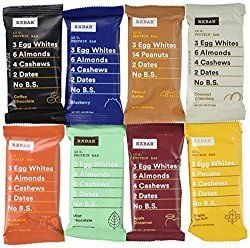
RXBAR remains one of the protein bars I reach for most often because it proves that a clean ingredient list does not have to be complicated. I have eaten RXBARs after long runs, between patients at the clinic, and while traveling because they are easy to find and made with recognizable ingredients. While the sticky texture is not for everyone, I appreciate knowing exactly what I am putting into my body.
My Experience
Chocolate Sea Salt has consistently been my favorite flavor. The first thing I notice is its dense, slightly sticky texture, which comes from the dates rather than syrups or artificial binders. It has a pleasant balance of natural sweetness with just enough sea salt to keep it from tasting overpowering. The bar feels substantial without being heavy, and it keeps me satisfied for a couple of hours. If you are expecting a soft, candy-like protein bar, RXBAR will probably surprise you. It eats more like a compressed blend of real ingredients than a processed snack, which is exactly why I keep coming back to it.
Nutrition Snapshot
- Price: $27.99 per 12 bars
- Protein: 12g from egg whites
- Calories: 200 to 220 Cal
- Sweetener: Dates (no added sugar)
- Fat Source: Nuts
- Key Certifications: Gluten-Free, Dairy-Free, Soy-Free
What I Like
- Short, recognizable ingredient list.
- Egg whites provide a complete protein source.
- No seed oils, artificial sweeteners, or sugar alcohols.
- Easy to find at Costco, Target, Whole Foods, Walmart, and Amazon.
- Works well as a convenient snack before travel or between meals.
What Could Be Better
- The sticky texture is not for everyone.
- Naturally contains 13 to 15g of sugar from dates.
- Most flavors include “Natural Flavors,” which slightly reduces ingredient transparency.
What Other Buyers Say
Across Amazon, Reddit, and retailer reviews, buyers consistently praise RXBAR’s simple ingredients, satisfying texture, and convenience. Chocolate Sea Salt is the community favorite, while the most common complaints are the sticky texture and bars occasionally sticking to the wrapper.
Who It’s Best For
Athletes, busy professionals, and anyone looking for a widely available protein bar made primarily from whole-food ingredients.
My Verdict
If someone asked me to recommend just one protein bar they could buy almost anywhere without worrying about artificial ingredients, RXBAR would still be one of my top recommendations. It is not the highest-protein bar on this list, but its ingredient quality, transparency, and consistent performance make it an easy choice.
2. GoMacro MacroBars

Best for: Organic plant-based nutrition
Michael’s Fuel Clean Score: 9.6/10
GoMacro is one of the plant-based protein bars I have consistently enjoyed during long training days and road trips. It is not the highest-protein bar on this list, but its organic ingredients, impressive certifications, and reliable taste make it one of the cleanest vegan options available. If your priority is eating organic and avoiding artificial ingredients, GoMacro is hard to beat.
My Experience
Maple Sea Salt and Peanut Butter Chocolate Chip are the flavors I come back to most often. The bars have a soft, almost cookie dough-like texture that is easy to eat before a workout or while traveling. They lean noticeably sweeter than bars like RXBAR or Bare Bar because of the brown rice syrup, but the sweetness is not artificial or overwhelming. Since they’re higher in carbohydrates, I think of them as a reliable source of training fuel rather than a dedicated recovery bar, and they have always been easy on my stomach during long travel days and endurance training.
Nutrition Snapshot
- Price: $25.20 per 12 bars
- Protein: 10–11g from organic brown rice and pea protein
- Calories: 270–290 Cal
- Sweetener: Organic brown rice syrup and dates
- Fat Source: Organic nut butters and seeds
- Key Certifications: USDA Organic, Non-GMO Project Verified, Certified Gluten-Free, Kosher, Vegan
What I Like
- USDA Organic and one of the most extensively certified bars on this list.
- Soft texture with consistently good flavor.
- Made with recognizable, plant-based ingredients.
- Widely available online and in major grocery stores.
What Could Be Better
- Lower protein content than several other bars on this list.
- Brown rice syrup increases the carbohydrate and sugar content.
- Better suited for sustained energy than post-workout muscle recovery.
What Other Buyers Say
GoMacro is widely praised for its soft texture, organic ingredients, and reliable flavors. Many endurance athletes recommend it for sustained energy, while the higher sugar content and premium price are the drawbacks mentioned most often.
Who It’s Best For
Plant-based eaters, endurance athletes, and anyone looking for an organic snack that provides steady energy without artificial ingredients.
My Verdict
If you are looking for the cleanest organic vegan protein bar, GoMacro remains one of my top recommendations. I would not choose it when my priority is maximizing protein after a heavy lifting session, but it is one of the bars I would happily pack for travel, hiking, or long endurance workouts because it delivers quality ingredients and dependable energy.
3. RAWR Organics Bars
Best for: Fresh whole-food plant-based nutrition
Michael’s Fuel Clean Score: 9.7/10
RAWR Organics stood out to me because it takes a different approach from most protein bars on the market. Instead of formulating products for long shelf life, these bars are made to order using organic ingredients with no preservatives. That freshness is noticeable the moment you open one, making it one of the closest options I have found to eating a homemade protein bar.
My Experience
The freshness is what immediately sets RAWR Organics apart. The texture is soft and moist, almost like a refrigerated homemade protein bite rather than a shelf-stable bar. You can actually taste the organic ingredients instead of artificial flavoring, with the dates and coconut sugar adding a subtle sweetness that never feels excessive. Because the bars require refrigeration, I do not pack them for every trip, but they are one of my favorite options when I am home and want something that feels genuinely close to whole food.
Nutrition Snapshot
- Price: $36.79 per 12 bars
- Protein: 18–21g from organic plant-based protein
- Calories: 220–260 Cal
- Sweetener: Coconut sugar and dates
- Fat Source: Coconut oil and flaxseed
- Key Certifications: USDA Organic, Vegan, Paleo
What I Like
- High protein from whole-food plant ingredients.
- Made fresh with no preservatives or unnecessary fillers.
- Simple ingredient list using organic ingredients.
- Excellent option for anyone prioritizing minimally processed nutrition.
What Could Be Better
- Only available through the company’s website.
- Requires refrigeration or freezing for freshness.
- More expensive than many widely available protein bars.
What Other Buyers Say
Customers frequently compare RAWR Organics to a homemade protein bar because of its fresh taste and minimal ingredients. The higher price, refrigeration requirement, and limited availability are the trade-offs buyers mention most.
Who It’s Best For
Anyone looking for a fresh, minimally processed plant-based protein bar made with organic ingredients, especially if refrigeration is not an issue.
My Verdict
RAWR Organics is one of the cleanest plant-based protein bars I have tried. While it is not the most convenient option for everyday travel, its ingredient quality, freshness, and impressive protein content make it an easy recommendation for anyone who values whole-food nutrition over shelf stability.
4. Bare Bar by PowerFit Foods
Best for: Animal-based recovery
Michael’s Fuel Clean Score: 9.9/10
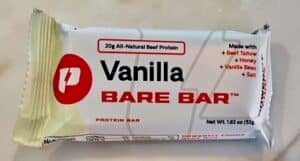
Bare Bar is one of the most unique protein bars I have tried because it strips away everything that does not need to be there. With just four real-food ingredients, it delivers one of the cleanest formulas on this list without sacrificing protein quality. If your goal is maximizing recovery with minimal processing, it’s hard to find a better option.
My Experience
The Honey and Vanilla flavors have a soft, slightly fudgy texture that is very different from traditional protein bars. Instead of tasting overly sweet, the raw honey adds a mild sweetness that lets the beef protein blend into the background surprisingly well. After strength workouts, I find the 20 grams of protein filling without leaving me sluggish, and I have never noticed the artificial aftertaste or digestive discomfort that often comes with heavily processed protein bars.
Nutrition Snapshot
- Price: $29.99 per 12 bars
- Protein: 20g from grass-fed beef protein
- Calories: 180–200 Cal
- Sweetener: Raw honey
- Fat Source: Beef tallow
- Key Certifications: Gluten-Free, Paleo
What I Like
- Only four simple, recognizable ingredients.
- Excellent source of complete animal protein.
- No seed oils, artificial sweeteners, preservatives, or sugar alcohols.
- Great option for post-workout recovery.
What Could Be Better
- Must be refrigerated or frozen.
- Limited retail availability.
- Beef protein may not appeal to everyone.
What Other Buyers Say
Customer reviews consistently praise Bare Bar for its clean ingredient list, satisfying texture, and lack of artificial ingredients. The most common drawbacks are the refrigeration requirement and limited availability compared to mainstream protein bars.
Who It’s Best For
Athletes, strength trainers, and anyone looking for a minimally processed, high-protein bar made from real-food ingredients.
My Verdict
If ingredient quality is your top priority, Bare Bar sets the standard. It is not the most convenient protein bar to carry around all day, but when I want the cleanest recovery bar with virtually no unnecessary ingredients, this is one of my first choices.
5. Rise Bar
Best for: Minimal ingredients
Michael’s Fuel Clean Score: 9.6/10
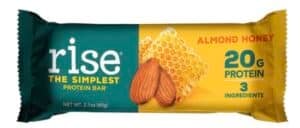
Rise Bar has earned a spot on this list because it proves you do not need a long ingredient list to make an effective protein bar. Depending on the flavor, it contains as few as three ingredients while still delivering 20 grams of high-quality protein. If you value simplicity, it is one of the easiest recommendations I can make.
My Experience
Almond Honey is the flavor I recommend trying first. The roasted almonds provide a subtle crunch, while the honey adds just enough sweetness without masking the natural flavor of the ingredients. The texture is firm and satisfying, so it takes a little longer to eat than softer bars, which I actually like because it feels more filling. It has become one of my favorite options after training when I want simple ingredients and plenty of protein without unnecessary extras.
Nutrition Snapshot
- Price: $30.99 per 12 bars
- Protein: 20g from grass-fed whey protein (15g in plant-based varieties)
- Calories: ~290 Cal
- Sweetener: Raw honey
- Fat Source: Almonds
- Key Certifications: Gluten-Free
What I Like
- Only three ingredients in the Almond Honey flavor.
- Excellent source of complete whey protein.
- No artificial sweeteners, sugar alcohols, or seed oils.
- Shelf stable and easy to take anywhere.
What Could Be Better
- Higher natural sugar content from honey.
- Dense texture may not appeal to everyone.
- Plant-based flavors contain less protein than the whey option.
What Other Buyers Say
Reviewers consistently praise Rise Bar’s simple ingredients and filling texture, with Almond Honey being the favorite flavor. Some buyers love the dense consistency, while others find it firmer than expected.
Who It’s Best For
Anyone looking for a high-protein bar with as few ingredients as possible, especially athletes who prefer whey protein and whole-food nutrition.
My Verdict
Rise Bar is one of the simplest protein bars on the market, and that is exactly why I keep coming back to it. If you want 20 grams of quality protein without artificial ingredients or a long ingredient list, it is an excellent choice that’s easy to recommend.
6. IQBAR
Best for: Low-carb nutrition
Michael’s Fuel Clean Score: 9.3/10
IQBAR stands out because it was designed for people who want a lower-carb protein bar without relying on sugar alcohols. Instead of focusing only on protein, it also includes ingredients like lion’s mane, MCT oil, and omega-3s, making it different from most bars on this list. If you are following a keto or lower-carb lifestyle, it is one of the better clean options available.
My Experience
Chocolate Sea Salt has been my favorite because it manages to taste rich without becoming overly sweet. The texture is smoother than most low-carb protein bars, avoiding the dry, chalky mouthfeel that is common in this category. Since it is lower in carbohydrates, I do not find it as filling as Rise Bar or GoMacro, but it is a great option when I want a lighter snack that still satisfies my chocolate craving without leaving an artificial aftertaste.
Nutrition Snapshot
- Price: $33.00 per 12 bars
- Protein: 12g from pea protein
- Calories: ~180 Cal
- Sweetener: Allulose and stevia
- Fat Source: Almonds, coconut oil, and MCT oil
- Key Certifications: Vegan, Keto-Friendly, Gluten-Free
What I Like
- Very low in net carbohydrates.
- No sugar alcohols or artificial sweeteners.
- Smooth texture compared to many keto bars.
- Includes functional ingredients like MCT oil and omega-3s.
What Could Be Better
- Lower protein than several bars on this list.
- Uses “Natural Flavors” in most varieties.
- Functional ingredient amounts aren’t fully disclosed.
What Other Buyers Say
IQBAR receives strong reviews from low-carb and keto shoppers for its flavor and smooth texture. Buyers most often mention the smaller serving size and premium price as areas for improvement.
Who It’s Best For
Anyone following a low-carb or keto lifestyle, or those looking for a clean snack with moderate protein and minimal sugar.
My Verdict
IQBAR is not the highest-protein bar on this list, but it is one of the best clean options for anyone prioritizing low net carbs. I would choose it when I want a lighter snack that keeps carbohydrates low without sacrificing ingredient quality.
7. Skout Organic Protein Bars
Best for: Organic whole-food snacking
Michael’s Fuel Clean Score: 9.4/10
Skout Organic is one of the simplest protein bars on this list, using just a handful of certified organic ingredients without artificial flavors, preservatives, or refined sweeteners. While it does not deliver as much protein as some competitors, I appreciate its whole-food approach and see it as a nutritious snack rather than a dedicated recovery bar.
My Experience
Peanut Butter Chocolate Chip is the flavor I find myself reaching for most often. It has a soft, almost cookie-like texture with small bits of chocolate that add just enough sweetness without overpowering the peanut butter. Unlike many protein bars that leave a chalky coating in your mouth, Skout tastes like a simple homemade snack made from pantry ingredients. I usually grab one during a busy afternoon or before heading out the door because it’s light, easy to digest, and doesn’t leave me feeling overly full.
Nutrition Snapshot
- Price: $35.99 per 15 bars
- Protein: 10g from peanut butter and plant-based ingredients
- Calories: 180–200 Cal
- Sweetener: Organic dates
- Fat Source: Organic peanut butter and coconut oil
- Key Certifications: USDA Organic, Vegan, Gluten-Free
What I Like
- Made with five or fewer organic ingredients.
- Naturally sweetened with dates.
- No seed oils, artificial sweeteners, or preservatives.
- Soft texture that is easy to enjoy anytime.
What Could Be Better
- Lower protein than many bars on this list.
- More of a wholesome snack than a recovery-focused protein bar.
- Premium price compared to similar-sized bars.
What Other Buyers Say
Families and health-conscious shoppers appreciate Skout Organic’s simple organic ingredients and kid-friendly flavors. Most criticism centers on its lower protein content compared with traditional recovery bars.
Who It’s Best For
Families, health-conscious snackers, and anyone looking for an organic protein bar made with simple, recognizable ingredients.
My Verdict
Skout Organic is not the bar I reach for after a hard lifting session, but it is one of my favorite options when I want a clean, minimally processed snack made entirely from real food ingredients. If simplicity is your priority, it is an excellent choice.
8. Transparent Labs Protein+ Bar
Best for: Grass-fed whey protein
Michael’s Fuel Clean Score: 9.5/10
Transparent Labs has built its reputation on clean, transparent supplements, and its Protein+ Bar follows the same philosophy. It combines grass-fed whey protein isolate with egg white protein to create one of the highest-quality protein blends on this list. If muscle recovery is your priority, this bar delivers an excellent balance of protein, taste, and ingredient quality.
My Experience
Dark Chocolate Almond immediately stood out because it tastes more like a premium chocolate bar than a typical protein bar. The smooth chocolate coating, subtle crunch from the almonds, and soft center make it one of the most enjoyable bars on this list. Despite its richer flavor, it does not leave the artificial sweetness or lingering aftertaste I have noticed with many high-protein bars. When I want something satisfying after a hard workout, this is one of the bars I genuinely look forward to eating.
Nutrition Snapshot
- Price: $35.99 per 12 bars
- Protein: 15–17g from grass-fed whey isolate and egg white protein
- Calories: ~280 Cal
- Sweetener: Dates, honey, and tapioca syrup
- Fat Source: Almonds and nut butter
- Key Certifications: Gluten-Free
What I Like
- High-quality grass-fed whey and egg white protein.
- No artificial sweeteners, sugar alcohols, or seed oils.
- Great taste and texture compared to many high-protein bars.
- Excellent choice for post-workout recovery.
What Could Be Better
- Higher in calories and fat than several bars on this list.
- Premium price.
- Limited retail availability compared to mainstream brands.
What Other Buyers Say
Many buyers consider Transparent Labs one of the best-tasting clean protein bars available. The rich flavor and quality protein earn consistent praise, while the higher price is the most common downside.
Who It’s Best For
Athletes, active adults, and anyone looking for a clean, high-quality protein bar to support muscle recovery.
My Verdict
Transparent Labs strikes an excellent balance between nutrition and taste. If I am looking for a filling post-workout bar made with premium protein sources and without artificial ingredients, this is one I would confidently recommend.
9. ALOHA Plant-Based Protein Bars
Best for: Organic vegan nutrition
Michael’s Fuel Clean Score: 9.4/10
ALOHA is one of the few plant-based protein bars I regularly recommend because it balances clean ingredients, solid nutrition, and great taste. Unlike many vegan bars that rely on artificial sweeteners or have a chalky texture, ALOHA uses organic ingredients and natural sweeteners to create a bar that is genuinely enjoyable to eat.
My Experience
Peanut Butter Cup and Coconut Chocolate Almond have consistently been my favorite flavors. Both have a soft, brownie-like texture that is much smoother than most plant-based protein bars. The sweetness is balanced, letting the cocoa and nut flavors come through without tasting artificial. I have eaten them as a quick breakfast, afternoon snack, and after lighter training sessions, and they have always felt satisfying without being heavy or difficult to digest.
Nutrition Snapshot
- Price: $34.99 per 12 bars
- Protein: 14g from brown rice and pumpkin seed protein
- Calories: ~220 Cal
- Sweetener: Organic coconut sugar and monk fruit
- Fat Source: Pumpkin seeds and coconut
- Key Certifications: USDA Organic, Non-GMO Project Verified, Vegan
What I Like
- USDA Organic with high-quality plant-based ingredients.
- Smooth texture and one of the best-tasting vegan bars I have tried.
- No artificial sweeteners or sugar alcohols.
- Good balance of protein, fiber, and healthy fats.
What Could Be Better
- Some flavors contain high-oleic sunflower oil, so ingredient labels are worth checking.
- Slightly lower protein than several recovery-focused bars.
- Premium price compared to conventional protein bars.
What Other Buyers Say
ALOHA has a loyal following for its soft texture, organic ingredients, and great flavor. Buyers recommend Peanut Butter Cup and Coconut Chocolate Almond most often, although some note that ingredient profiles vary slightly between flavors.
Who It’s Best For
Anyone looking for an organic, plant-based protein bar that delivers clean ingredients without compromising on taste.
My Verdict
ALOHA is one of the best vegan protein bars I’ve eaten. If you are looking for an organic option that tastes great and avoids the artificial ingredients found in many plant-based bars, it is an easy recommendation.
10. Epic Meat Bars

Best for: Low-sugar animal protein
Michael’s Fuel Clean Score: 9.2/10
Epic Meat Bars are unlike any other product on this list. Instead of trying to taste like a dessert, they are made with real meat and simple seasonings, making them a better fit for anyone who prefers savory snacks. While they are not a traditional protein bar, they are one of the cleanest portable protein options I have found.
My Experience
Bison Bacon Cranberry is the flavor I recommend trying first because it perfectly balances savory meat with a subtle touch of natural sweetness from the cranberries. The texture is firm and chewy, much like premium jerky, but noticeably more tender than I expected. Whenever I am craving something salty instead of another sweet protein bar, this is usually the one I pack for road trips, hikes, or long days at the clinic. I often pair it with fruit or a handful of almonds to make it a more complete snack.
Nutrition Snapshot
- Price: $31.99 per 12 bars
- Protein: 9–15g from grass-fed or pasture-raised meat
- Calories: 70–140 Cal
- Sweetener: None (zero added sugar)
- Fat Source: Naturally occurring animal fats
- Key Certifications: Whole30 Approved, Paleo, Non-GMO Project Verified, Gluten-Free
What I Like
- Made with real meat and whole-food ingredients.
- Zero added sugar and no artificial sweeteners.
- Excellent portable option for savory snack lovers.
- Whole30 and Paleo friendly.
What Could Be Better
- Lower in calories and protein than some recovery-focused bars.
- Not ideal if you are craving a traditional sweet protein bar.
- Some fruit-containing flavors include trace sunflower oil on the dried fruit.
What Other Buyers Say
Epic is especially popular with Paleo and Whole30 communities that prefer savory snacks. Buyers praise the real meat ingredients and portability, while some mention the smaller serving size and drier texture.
Who It’s Best For
Anyone following a Whole30, Paleo, or low-sugar diet, or those who prefer a savory, meat-based snack over a sweet protein bar.
My Verdict
Epic Meat Bars fill a unique niche that few protein bars can match. When I want a portable source of clean animal protein without added sugar or artificial ingredients, they are one of the first products I reach for, especially during travel or long days away from home.
11. Wellcome Adaptogenic Bars
Best for: Functional recovery and stress support
Michael’s Fuel Clean Score: 9.1/10
Wellcome takes a different approach than most protein bars by combining clean ingredients with adaptogens and marine collagen. Instead of focusing solely on muscle recovery, it is designed to support energy, stress management, and overall wellness. If you are looking for a functional snack rather than a traditional high-protein bar, it is worth considering.
My Experience
Salted Caramel quickly became my favorite because it has a creamy, almost dessert-like texture without tasting overly rich. The caramel flavor is subtle rather than overpowering, making it easy to eat during a busy afternoon when I need something convenient. It leaves me feeling satisfied without the heavy feeling I sometimes get from larger meal replacement bars. Since the protein comes from marine collagen, I see it as more of a functional wellness snack than my go-to recovery bar after lifting.
Nutrition Snapshot
- Price: $42.00 per 12 bars
- Protein: 13–14g from marine collagen
- Calories: ~200 Cal
- Sweetener: Coconut sugar
- Fat Source: MCT oil
- Key Certifications: Non-GMO
What I Like
- Clean ingredient list with functional ingredients.
- Includes adaptogens like reishi and ashwagandha in select flavors.
- No artificial sweeteners, refined sugar, or seed oils.
- Great option for an afternoon snack or travel.
What Could Be Better
- Marine collagen is not a complete protein.
- Most expensive bar on this list.
- Better suited for wellness than muscle recovery.
What Other Buyers Say
Customer reviews consistently praise the unique flavors, clean ingredients, and functional approach. The most common criticisms are the premium price and that buyers expecting a traditional high-protein recovery bar are sometimes disappointed by the collagen-based protein source.
Who It’s Best For
Anyone looking for a clean snack that combines functional ingredients with moderate protein to support busy, active lifestyles.
My Verdict
Wellcome is not the bar I would choose after an intense strength workout, but I appreciate its thoughtful ingredient profile and functional approach. If your goal extends beyond protein and includes overall wellness, it is one of the more interesting options on this list.
12. Wild Zora Meat and Veggie Bars

Best for: Functional recovery and stress support
Michael’s Fuel Clean Score: 9.1/10
Wellcome takes a different approach than most protein bars by combining clean ingredients with adaptogens and marine collagen. Instead of focusing solely on muscle recovery, it is designed to support energy, stress management, and overall wellness. If you are looking for a functional snack rather than a traditional high-protein bar, it is worth considering.
My Experience
Salted Caramel quickly became my favorite because it has a creamy, almost dessert-like texture without tasting overly rich. The caramel flavor is subtle rather than overpowering, making it easy to eat during a busy afternoon when I need something convenient. It leaves me feeling satisfied without the heavy feeling I sometimes get from larger meal replacement bars. Since the protein comes from marine collagen, I see it as more of a functional wellness snack than my go-to recovery bar after lifting.
Nutrition Snapshot
- Price: $42.00 per 12 bars
- Protein: 13–14g from marine collagen
- Calories: ~200 Cal
- Sweetener: Coconut sugar
- Fat Source: MCT oil
- Key Certifications: Non-GMO
What I Like
- Clean ingredient list with functional ingredients.
- Includes adaptogens like reishi and ashwagandha in select flavors.
- No artificial sweeteners, refined sugar, or seed oils.
- Great option for an afternoon snack or travel.
What Could Be Better
- Marine collagen is not a complete protein.
- Most expensive bar on this list.
- Better suited for wellness than muscle recovery.
What Other Buyers Say
Customer reviews consistently praise the unique flavors, clean ingredients, and functional approach. The most common criticisms are the premium price and that buyers expecting a traditional high-protein recovery bar are sometimes disappointed by the collagen-based protein source.
Who It’s Best For
Anyone looking for a clean snack that combines functional ingredients with moderate protein to support busy, active lifestyles.
My Verdict
Wellcome is not the bar I would choose after an intense strength workout, but I appreciate its thoughtful ingredient profile and functional approach. If your goal extends beyond protein and includes overall wellness, it is one of the more interesting options on this list.
13. LYFfuel Daily Essentials Meal Replacement Bars
Best for: Meal replacement
Michael’s Fuel Clean Score: 9.2/10
LYFfuel is different from every other bar on this list because it was designed to replace a meal rather than serve as a quick protein snack. Along with protein, it provides healthy fats, prebiotic fiber, and functional ingredients that promote satiety and steady energy. When I know I will not have access to a balanced meal for several hours, this is the type of bar I consider instead of a standard protein bar.
My Experience
Fudgy Brownie has a rich, dense texture that feels much closer to eating a complete meal than a typical protein bar. The cocoa flavor is noticeable without becoming overly sweet, while the higher fiber content makes it one of the most filling options I have tried. I usually save this bar for long travel days or packed clinic schedules when I know I will not have time for a proper meal. If you are new to higher-fiber bars, I would start with half because it is considerably more substantial than most products on this list.
Nutrition Snapshot
- Price: $40.00 per 10 bars
- Protein: 11–13g
- Calories: ~220 Cal
- Sweetener: Minimal added sugar
- Fat Source: MCT oil and nuts
- Key Certifications: GMP Certified
What I Like
- Designed to provide balanced nutrition, not just protein.
- High in fiber for long-lasting fullness.
- Made without artificial sweeteners, sugar alcohols, or seed oils.
- Includes functional ingredients like cacao, maca, turmeric, and ginger.
What Could Be Better
- Higher fiber may cause digestive discomfort if you are not accustomed to it.
- More expensive than traditional protein bars.
- Better suited as a meal replacement than a post-workout recovery bar.
What Other Buyers Say
Reviewers consistently describe LYFfuel as filling and convenient for meal replacement. The higher fiber content works well for most buyers, although some recommend starting with half a bar if you’re not used to high-fiber foods.
Who It’s Best For
Busy professionals, travelers, and anyone looking for a clean meal replacement that delivers balanced nutrition instead of just protein.
My Verdict
LYFfuel is not the bar I reach for immediately after a workout, but it is one of my favorite options when I need a convenient meal on the go. If you are looking for lasting energy from whole-food ingredients rather than a quick protein boost, it is a worthwhile addition to your pantry.
Popular Bars That Did Not Make My List
While researching and testing protein bars for this guide, I came across several well-known brands that many people consider “healthy.” Some deliver plenty of protein, while others taste great or are widely available. Despite their popularity, they did not meet my clean protein bar standard because they rely on ingredients like refined seed oils, sugar alcohols, artificial sweeteners, or highly processed protein sources. If your priority is whole-food nutrition and ingredient quality, I would choose one of the 13 bars above instead.
| Protein Bar | Why It Didn’t Make My List | Better Alternative |
| Perfect Bar | Contains sunflower oil despite using whole-food ingredients. | RAWR Organics or RXBAR |
| ProBar Meal | Made with canola oil, brown rice syrup, and natural flavors. | GoMacro or LYFfuel |
| David Protein Bar | Uses maltitol, sucralose, acesulfame potassium, and EPG fat. | Bare Bar or Transparent Labs |
| Quest Bar | Contains erythritol, sucralose, and soluble corn fiber. | Rise Bar or Transparent Labs |
| Barebells | Sweetened with maltitol and sucralose. | Bare Bar |
| ONE Bar | Contains erythritol, sucralose, and processed fibers. | Transparent Labs |
| Pure Protein | Uses soy protein isolate, sugar alcohols, and sucralose. | RXBAR |
| Clif Builder’s | Relies on soy protein isolate and added sugars. | GoMacro |
| Ready Clean Bar | Contains sunflower oil, canola oil, soy protein isolate, and agave syrup. | RXBAR or Bare Bar |
What Are the Benefits of Eating Clean Protein Bars?
The benefits of eating clean protein bars include supporting muscle recovery, providing more stable energy, promoting better digestion, delivering additional nutrients beyond protein, and making ingredient quality easier to trust. From my experience, bars made with whole-food proteins, natural sweeteners, and healthier fat sources tend to be more satisfying and easier to digest than those packed with artificial ingredients. While no protein bar replaces a balanced diet, choosing a cleaner option can make a noticeable difference when you rely on one before training, after a workout, or during a busy day.
The 5 key benefits of eating clean protein bars are:
- Supports Better Muscle Recovery
Complete protein sources like grass-fed whey, egg whites, and beef protein provide the essential amino acids needed to repair and rebuild muscle after exercise. Plant-based blends can also support recovery when they combine complementary protein sources that provide a complete amino acid profile. - Provides More Stable Energy
Protein, healthy fats, and fiber slow digestion, helping provide steadier energy than bars made with refined sugars or heavily processed ingredients. I find this especially helpful during long clinic days, travel, and endurance training. - Promotes Better Digestion
Many clean protein bars avoid sugar alcohols and artificial sweeteners, ingredients that many people associate with bloating or digestive discomfort. Choosing bars sweetened with dates, raw honey, monk fruit, or allulose may be a better option if digestive comfort is a priority. - Delivers More Than Just Protein
Many of the bars on this list also provide fiber, healthy fats, vitamins, minerals, and nutrients from ingredients like nuts, seeds, grass-fed proteins, and whole foods. This makes them more nutritionally complete than bars built primarily around processed protein isolates and artificial additives. - Makes Ingredient Quality Easier to Trust
One of the biggest reasons I prefer clean protein bars is ingredient transparency. Short ingredient lists and recognizable whole foods make it much easier to understand exactly what you are eating instead of relying on marketing claims on the front of the package.
What Ingredients to Avoid in Protein Bars
The ingredients to avoid in protein bars include refined seed oils, artificial sweeteners, sugar alcohols, highly processed protein sources, and long ingredient lists filled with unnecessary additives. While no single ingredient automatically makes a protein bar unhealthy, I find that choosing bars made with simpler, whole-food ingredients generally leads to better nutrition, digestion, and overall ingredient transparency.
- Refined Seed Oils
Canola, soybean, sunflower, corn, and grapeseed oils are commonly used to improve texture and extend shelf life. I generally recommend choosing bars made with healthier fat sources such as nut butters, coconut oil, MCT oil, or beef tallow instead. - Artificial Sweeteners
Sucralose, aspartame, and acesulfame potassium are often added to reduce sugar while maintaining sweetness. I prefer bars sweetened with dates, raw honey, monk fruit, or allulose because they rely on more natural ingredients. - Sugar Alcohols (Maltitol, Sorbitol, Erythritol, Xylitol)
Ingredients such as maltitol, erythritol, sorbitol, and xylitol may cause bloating or digestive discomfort for some people, particularly when consumed before exercise or in larger amounts. - Highly Processed Protein Sources
Not all protein sources offer the same level of quality. Whenever possible, I look for bars made with grass-fed whey, egg whites, beef protein, collagen, or well-formulated plant-based protein blends instead of heavily processed protein isolates. - Long Ingredient Lists
A long ingredient list is not always a dealbreaker, but I generally place more trust in bars with fewer, recognizable ingredients than products filled with artificial flavors, preservatives, gums, and other unnecessary additives.
How to Choose the Best Clean Protein Bar for Your Needs?
Choosing the right clean protein bar depends on your goals, dietary preferences, and how you plan to use it. While testing these bars, I found that no single product was perfect for everyone. Before buying your next protein bar, consider these factors:
- Start With the Ingredient List
Ignore the marketing claims on the front of the wrapper and read the ingredient list instead. Look for recognizable ingredients and avoid bars loaded with artificial sweeteners, sugar alcohols, refined seed oils, or unnecessary fillers. - Match the Protein Source to Your Goals
For muscle recovery, I prefer complete protein sources like whey, egg whites, or beef protein. If you follow a vegan diet, choose bars made with complementary plant proteins that provide a balanced amino acid profile. - Choose the Right Nutrition Profile
Think about when you will be eating the bar. Higher-protein options work well after training, while bars with more carbohydrates can provide better fuel before long workouts or endurance activities. If you are replacing a meal, choose one with a balance of protein, healthy fats, and fiber. - Buy for Taste, Not Just Nutrition
Even the cleanest protein bar will not help if you do not enjoy eating it. Consider the flavor, texture, and how well it fits your lifestyle, because the best protein bar is the one you will actually keep coming back to.
For personalized guidance on which bars work best for your training volume, digestive tolerance, and body composition goals, consult a registered sports dietitian with a CSSD credential or a registered dietitian nutritionist with a sports nutrition focus.
Where to Buy Clean Protein Bars
Most of the protein bars on this list are available directly from the manufacturer’s website, which is often the best place to find the full selection of flavors, subscription discounts, and the freshest inventory. Popular brands like RXBAR, GoMacro, ALOHA, Epic, IQBAR, and Transparent Labs are also widely available through Amazon and retailers such as Whole Foods, Target, Walmart, Costco, Sprouts, and Thrive Market.
If you are buying bars that are made without preservatives, such as Bare Bar or RAWR Organics, I recommend ordering directly from the brand. This helps ensure maximum freshness and gives you access to flavors and bundle options that are not always available through third-party retailers.
Frequently Asked Questions
What is the cleanest protein bar available?
Based on my evaluation, Bare Bar, RXBAR, RAWR Organics, and Rise Bar are among the cleanest protein bars available. They rely on whole-food or minimally processed protein sources, natural sweeteners, and simple ingredient lists without seed oils, artificial sweeteners, or sugar alcohols. The best choice depends on your dietary preferences, protein needs, and lifestyle.
Are protein bars healthy?
Protein bars can be a healthy snack when they are made with quality ingredients and fit into a balanced diet. I recommend choosing bars that provide quality protein, healthy fats, and natural sweeteners while avoiding artificial sweeteners, sugar alcohols, refined seed oils, and unnecessary fillers.
Can I eat a protein bar every day?
Yes, a clean protein bar can be part of a healthy daily routine if it is used as a convenient snack rather than a replacement for whole foods. I still encourage getting most of your nutrition from minimally processed meals, using protein bars when convenience is needed.
What ingredients should I avoid in a protein bar?
I recommend avoiding artificial sweeteners like sucralose, sugar alcohols such as maltitol and erythritol, refined seed oils, highly processed protein isolates, and long ingredient lists filled with unnecessary additives. Reading the ingredient label is the best way to identify a genuinely clean protein bar.
Are Quest Bars considered clean?
No, Quest Bars are not considered clean protein bars because most varieties contain erythritol, sucralose, and soluble corn fiber, ingredients that do not meet my standards for a clean protein bar. While they provide plenty of protein, I prioritize ingredient quality alongside protein content. If ingredient quality is your priority, I would recommend Rise Bar, Transparent Labs, or Bare Bar instead.
Is RXBAR actually healthy?
RXBAR is one of the healthiest widely available protein bars I have tried because it uses egg whites, dates, and nuts as its primary ingredients. While it is naturally higher in sugar from dates, it avoids artificial sweeteners, sugar alcohols, and refined seed oils.
Which clean protein bar has the most protein?
Among the bars on this list, Bare Bar and Rise Bar provide 20 grams of protein per serving. RAWR Organics also delivers up to 21 grams depending on the flavor while maintaining a clean ingredient profile.
What is the best clean protein bar for weight loss?
For weight management, I typically recommend bars that combine quality protein with moderate calories and minimal added sugar. RXBAR, IQBAR, Epic Meat Bars, and Rise Bar are all solid choices depending on your dietary preferences and activity level.
Are clean protein bars good after a workout?
Yes, clean protein bars are good after a workout because bars made with complete protein sources such as whey, egg whites, or beef protein provide the essential amino acids needed to support muscle recovery and repair. I generally choose Bare Bar, Rise Bar, or Transparent Labs after strength training because they deliver high-quality protein without unnecessary additives.
Which clean protein bar is best for runners?
For endurance training, I often prefer GoMacro because its higher carbohydrate content provides longer-lasting energy during training. After a run, I usually reach for Bare Bar, Transparent Labs, or Rise Bar to increase protein intake and support recovery.
Which clean protein bar tastes the best?
Taste is subjective, but based on my experience and consistent customer feedback, ALOHA, Transparent Labs, GoMacro, and RXBAR are among the best-tasting protein bars on this list. They strike a good balance between flavor, texture, and ingredient quality.
Are plant-based protein bars as effective as whey protein bars?
Yes, plant-based protein bars can be as effective as whey protein bars when they use complementary protein sources, such as pea and brown rice protein, to provide a balanced amino acid profile. Whey protein naturally contains a complete amino acid profile, but high-quality plant-based bars remain an excellent option for supporting muscle recovery, especially for vegan and dairy-free diets.
Where can I buy clean protein bars?
Most brands are available through their official websites as well as Amazon, Whole Foods, Target, Walmart, Costco, Sprouts, and Thrive Market. Buying directly from the manufacturer often provides the widest flavor selection and subscription discounts.
Are clean protein bars worth the higher price?
In my opinion, yes, if ingredient quality is important to you. You are often paying for better protein sources, fewer processed ingredients, and higher manufacturing standards rather than artificial fillers designed to reduce production costs.
How do I choose the right clean protein bar?
Start by reading the ingredient list instead of the front label. Then match the protein source, calorie content, and carbohydrate profile to your goals. Whether you need post-workout recovery, a meal replacement, or an everyday snack, the best protein bar is the one that fits your lifestyle while meeting your ingredient standards.
FWDfuel Sports Nutrition trusts Fullscript to power their dispensary. Here's why you should too:
FWDfuel Sports Nutrition
Sign up free · No subscription required · Cancel anytime


