

You see phrases like “mold-free,” “mycotoxin-tested,” and “clean coffee” on a bag of coffee and assume they all mean the same thing. I have been there too. In reality, testing standards, sourcing practices, and transparency vary widely between brands. The best mold-free coffees combine third-party mycotoxin testing, specialty-grade sourcing, and documented quality control to support their claims. While commercially available coffee generally contains ochratoxin A (OTA) at levels below internationally recognized safety thresholds, some brands go further by publishing Certificates of Analysis (COAs) and testing for mycotoxins, pesticides, and heavy metals. A 2024 systematic review of 40 studies covering 3,256 coffee samples worldwide reached a similar conclusion, while highlighting that contamination levels vary with origin, processing, and quality control practices (Massahi et al., 2024).
As the Performance Dietitian and Nutritionist for the Cleveland Cavaliers, I help athletes improve performance and recovery through evidence-based nutrition. My background as a former collegiate sprinter and experience at the Cleveland Clinic Center for Functional Medicine have shaped how I evaluate foods and beverages, including coffee. For this guide, I personally evaluated leading mold-free coffee brands by comparing taste, aroma, overall drinking experience, third-party testing, published COAs (where available), bean sourcing, ingredient quality, and brand transparency.
I then validated my findings by reviewing hundreds of verified customer reviews from Amazon, Reddit, retailer websites, and specialty coffee communities to better understand long-term product consistency and real-world experiences. This article was also medically reviewed by my husband, Dr. Michael Bogden, MD, a Cleveland Clinic-trained physician, to verify the scientific and medical accuracy of the information related to mycotoxins, mold exposure, coffee safety, and health claims. The result is this curated list of the 10 best mold-free coffee brands I would confidently recommend to athletes, patients, and health-conscious coffee drinkers.
How We Evaluated the Best Mold-Free Coffee Brands
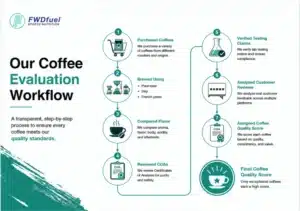
I evaluated each coffee by comparing taste, aroma, overall drinking experience, and brewing consistency, while reviewing third-party testing, published Certificates of Analysis (COAs), bean sourcing, ingredient quality, and brand transparency. I then validated my findings by analyzing hundreds of verified customer reviews from Amazon, Reddit, retailer websites, and specialty coffee communities to identify recurring strengths, weaknesses, and long-term satisfaction.
Each coffee was evaluated using the following criteria:
- Third-party testing: Independent laboratory testing for mycotoxins such as ochratoxin A (OTA) and aflatoxins, along with pesticides, heavy metals, and other contaminants.
- Bean quality & sourcing: Specialty-grade Arabica beans, growing region, harvesting methods, processing practices, and storage conditions that support quality.
- Taste & brewing experience: Aroma, flavor, acidity, body, bitterness, balance, and consistency across different brewing methods.
- Ingredient quality: 100% coffee without unnecessary additives, plus certifications such as USDA Organic where applicable.
- Brand transparency: Published COAs, sourcing information, testing protocols, certifications, and overall openness about quality standards.
- Value: Overall quality relative to price, available formats, subscriptions, and product selection.
- Community feedback: Consistent themes gathered from verified customer reviews and specialty coffee communities.
What Makes a Coffee Truly “Mold-Free”?
Not every coffee labeled “mold-free,” “clean,” or “mycotoxin-tested” meets the same standard. Unlike certifications such as USDA Organic, there is no universal certification or legal definition for mold-free coffee, so brands can vary significantly in how they source, test, and verify their products. That is why I looked beyond marketing claims and prioritized independent laboratory testing, transparent quality control, responsible sourcing, and documented evidence such as published Certificates of Analysis (COAs).
To make this list, every coffee brand had to demonstrate these qualities:
- Third-party testing: Regular screening for mycotoxins and, where available, pesticides and heavy metals.
- Transparent quality control: Published COAs or clear documentation of testing practices.
- Specialty-grade sourcing: High-quality Arabica beans sourced from reputable growing regions.
- Clean ingredients: 100% coffee with no unnecessary additives or fillers.
- Brand transparency: Clear information about sourcing, roasting, certifications, and manufacturing standards.
Many coffees promote themselves as “clean” or “mold-free,” but not every company provides evidence to support those claims. That is why every recommendation below is based on documented testing, transparency, product quality, and firsthand evaluation, not marketing alone.
How We Calculated the Coffee Quality Score
Each evaluation category was weighted according to its importance, producing a Coffee Quality Score (10-point scale) for every brand. The final score reflects overall performance across all seven categories rather than any single factor, making it easier to compare each coffee using the same transparent evaluation framework.
| Evaluation Criteria | Weight | What We Evaluated |
| Third-Party Testing & COAs | 30% | Independent testing for mycotoxins, pesticides, heavy metals, published COAs, and laboratory transparency. |
| Bean Quality & Sourcing | 20% | Bean origin, specialty-grade quality, harvesting, processing, and storage practices. |
| Taste & Brewing Experience | 15% | Aroma, flavor, acidity, body, bitterness, balance, and consistency. |
| Brand Transparency | 15% | Testing protocols, sourcing information, certifications, and quality documentation. |
| Ingredient Quality & Certifications | 10% | Ingredient purity, USDA Organic and other third-party certifications, and absence of unnecessary additives. |
| Value | 5% | Overall quality relative to price, available formats, and product selection. |
| Community Feedback | 5% | Recurring insights from verified customer reviews across Amazon, Reddit, retailer websites, and specialty coffee communities. |
No coffee earned a perfect score because every brand has trade-offs. Final rankings reflect overall performance across all seven categories rather than any single factor, such as taste, price, or testing claims.
Which Coffee Certifications Should You Look For?
The most valuable coffee certifications are those that match your priorities, but none of them certify a coffee as “mold-free” or require mycotoxin testing. Most certifications focus on organic farming, sustainability, ethical sourcing, or bean quality. If independent contaminant testing matters to you, also look for brands that publish Certificates of Analysis (COAs) or clearly document their third-party testing program.
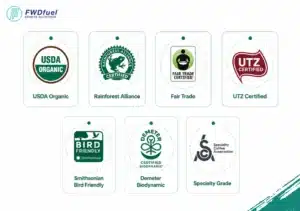
When comparing coffee brands, these are the certifications worth looking for:
- USDA Organic: Verifies the coffee was grown and processed under USDA organic standards without most synthetic pesticides or fertilizers. It does not certify mold or mycotoxin testing.
- Rainforest Alliance: Recognizes farms that meet environmental, biodiversity, and social responsibility standards through sustainable farming practices.
- Fair Trade: Supports fair prices, improved working conditions, and community development for coffee farmers and cooperatives.
- UTZ Certified: Focuses on responsible farming, traceability, environmental stewardship, and better working conditions. Since 2018, UTZ has been integrated into the Rainforest Alliance certification program.
- Smithsonian Bird Friendly: Requires USDA Organic certification plus strict shade-grown standards that help protect bird habitats and biodiversity.
- Demeter Biodynamic: Recognizes farms that follow certified biodynamic and regenerative agricultural practices beyond standard organic requirements.
- Specialty Grade: Indicates coffee that scores 80 points or higher on the Specialty Coffee Association (SCA) 100-point cupping scale, reflecting higher bean quality, fewer defects, and stronger flavor characteristics. It is a quality classification, not a sustainability or safety certification.
- Published COAs: Although not a certification, publicly available Certificates of Analysis provide independent laboratory evidence of contaminant testing and are one of the strongest indicators of testing transparency.
My recommendation is to view certifications as an added quality signal rather than the deciding factor. They provide insight into how coffee is grown, sourced, or graded, but if you are specifically looking for mold-free coffee, prioritize brands that combine recognized certifications with independent laboratory testing and published COAs whenever possible.
Best Mold-Free Coffee Brands at a Glance
Whether you prioritize published Certificates of Analysis (COAs), low-acid coffee, organic sourcing, or overall value, the best choice depends on what matters most to you. The table below compares each recommendation using our Coffee Quality Score, along with its best use case, testing transparency, certifications, and starting price to help you quickly narrow your options.
| Rank | Brand | Coffee Quality Score | Best For | Testing Transparency | Organic | Decaf | Starting Price |
| 1 | Purity Coffee | 9.8/10 | Best Overall | Published Batch COAs | ✓ | ✓ | $29.00 |
| 2 | Lifeboost Coffee | 9.5/10 | Sensitive Stomachs | Third-Party Tested | ✓ | ✓ | $28.99 |
| 3 | Clean Coffee Co. | 9.2/10 | Low-Acid Dark Roast | Third-Party Tested | ✗ | ✗ | $22.48 |
| 4 | Holistic Roasters | 9.1/10 | Most Transparent | Published Lab Reports | ✓ | ✓ | $19.95 |
| 5 | Natural Force | 9.1/10 | Clean Ingredients | Published Lab Results | ✓ | ✓ | $24.99 |
| 6 | Peak Performance | 9.0/10 | Best Value | Published COAs | ✓ | ✓ | $22.95 |
| 7 | Fabula Coffee | 9.0/10 | Low-Acid Everyday Coffee | Third-Party Tested | ✓ | ✓ | $29.99 |
| 8 | Bulletproof Coffee | 8.9/10 | Best Budget | Third-Party Tested | ✗ | ✓ | $18.99 |
| 9 | Kion Coffee | 8.9/10 | Sustainable Sourcing | Third-Party Tested | ✓ | ✗ | $22.46 |
| 10 | Danger Coffee | 8.8/10 | Functional Coffee | Third-Party Tested | ✗ | ✓ | $26.95 |
Coffee Quality Score: A weighted 10-point rating based on third-party testing, bean quality, sourcing, taste, brand transparency, ingredient quality, value, and verified customer feedback.
Testing Transparency Key
- Published Batch COAs: Batch-specific Certificates of Analysis are publicly available.
- Published COAs / Published Lab Results / Published Lab Reports: Laboratory documentation is publicly available but may not be batch-specific.
- Third-Party Tested: The company reports using independent laboratory testing, but complete laboratory reports or batch-specific COAs were not publicly available during our review.
1. Purity Coffee – Best Overall Mold-Free Coffee

Coffee Quality Score: 9.8/10
At a Glance:
- Best For: Everyday premium coffee
- Starting Price: From $29.00
- Roast Options: Light • Medium • Dark • Espresso • Decaf
- Available Formats: Whole Bean • Ground • Pods
- Bean Type: 100% Specialty-Grade Arabica
- Testing Transparency: Published Batch COAs
- Certifications: USDA Organic • Rainforest Alliance • Smithsonian Bird Friendly
Why I Ranked It #1
Purity Coffee earned the highest Coffee Quality Score because it excelled in the categories I weighted most heavily: testing transparency, bean quality, sourcing, and overall drinking experience. It was one of the few brands to publish batch-specific Certificates of Analysis (COAs), making it easy to verify its testing claims rather than relying on marketing alone. Combined with its specialty-grade beans and consistently balanced flavor, it delivered the strongest overall performance of every coffee I evaluated.
What It Tastes Like
Smooth, medium-bodied coffee with bright acidity, natural sweetness, and notes of dark chocolate, roasted nuts, berries, and subtle citrus. It finishes clean without lingering bitterness, making it enjoyable both black and with milk.
What I Noticed During Testing
Across pour-over, drip, and French press brewing, Purity consistently produced one of the cleanest cups in this comparison. The chocolate and citrus notes remained noticeable even after the coffee cooled, and I rarely experienced the harsh bitterness that can develop with some medium-dark specialty coffees. The published batch-specific COAs also gave me greater confidence in the brand’s quality claims because I could verify the testing instead of simply trusting the packaging.
Before You Buy
Purity is not the coffee I would recommend to everyone.
Choose it if you:
- Want the highest level of testing transparency.
- Prefer a clean, balanced cup over an intense smoky roast.
- Regularly drink black coffee.
- Do not mind paying more for specialty-grade sourcing and documented quality standards.
You may want another option if you:
- Primarily shop based on price.
- Prefer very dark, Italian-style roasts.
- Want a wide variety of flavored coffees.
How It Compares
Compared with Lifeboost Coffee, Purity offers greater testing transparency through publicly available batch-specific COAs, while both brands emphasize specialty-grade sourcing and contaminant testing. Compared with Bulletproof Coffee, Purity provides stronger certifications, more detailed quality documentation, and a more refined flavor profile, although at a higher price point. If documented testing and transparency are your highest priorities, Purity remains my top recommendation.
Key Highlights
- Published batch-specific COAs
- Third-party tested for mycotoxins, pesticides, and heavy metals
- USDA Organic certified
- Smithsonian Bird Friendly certified
- Rainforest Alliance certified
- Specialty-grade Arabica beans
- Swiss Water® Process decaf available
- Nitrogen-flushed packaging for freshness
My Verdict
Purity Coffee delivered the strongest combination of testing transparency, sourcing standards, flavor consistency, and overall drinking experience of every brand I evaluated. If I could recommend only one mold-free coffee to readers looking for independently verified quality and an exceptional everyday cup, this would be my first choice.
2. Lifeboost Coffee – Best Organic Low-Acid Mold-Free Coffee

Coffee Quality Score: 9.5/10
At a Glance:
- Best For: Coffee drinkers with sensitive stomachs or acid reflux
- Starting Price: From $28.99
- Roast Options: Light • Medium • Dark • Espresso • Decaf
- Available Formats: Whole Bean • Ground • Decaf • Flavored Coffee
- Bean Type: Single-Origin 100% Arabica
- Testing Transparency: Third-Party Tested
- Certifications: USDA Organic (select products), Fair Trade practices
Why I Ranked It #2
Lifeboost Coffee earned the second-highest Coffee Quality Score because it combines extensive third-party contaminant testing with high-quality single-origin Arabica beans and one of the most stomach-friendly flavor profiles in this comparison. The company states that its coffees are tested for mycotoxins, pesticides, heavy metals, and hundreds of additional contaminants while emphasizing shade-grown, low-acid beans and natural processing methods. Although Lifeboost does not provide the same level of publicly available batch-specific documentation as Purity, its consistently smooth flavor, broad roast selection, and focus on low-acid coffee make it one of the strongest overall choices.
What It Tastes Like
Smooth and full-bodied with mild acidity, natural sweetness, and notes of chocolate, caramel, roasted nuts, and dried fruit. The finish is mellow and easy to drink, making it especially approachable for everyday coffee.
What I Noticed During Testing
Across drip coffee, pour-over, and French press, Lifeboost consistently produced one of the smoothest cups I evaluated. The lower perceived acidity was noticeable, especially when drinking it black, and the coffee maintained a rounded, balanced flavor without developing the sharp finish that some medium roasts can have after cooling. I also appreciated the wide range of roast levels and flavored options, making it easier to find a profile that suits different preferences.
Before You Buy
Choose this coffee if you:
- Have a sensitive stomach or experience acid reflux with regular coffee.
- Prefer a smooth, mellow cup with lower perceived acidity.
- Want a wide variety of roast levels and flavored options.
- Value third-party contaminant testing and single-origin sourcing.
Consider another option if you:
- Want publicly available batch-specific COAs.
- Prefer brighter, fruit-forward specialty coffees.
- Are looking for the strongest testing transparency available.
How It Compares
Compared with Purity Coffee, Lifeboost offers a broader selection of flavored coffees and emphasizes its low-acid profile, making it a better fit for people with sensitive stomachs. However, Purity ranks higher because it provides greater testing transparency through publicly available batch-specific COAs. Compared with Clean Coffee Co., Lifeboost offers more roast and flavor options while placing a stronger emphasis on organic sourcing and low-acid coffee.
Key Highlights
- Third-party tested for mycotoxins, pesticides, heavy metals, and 450+ contaminants
- Single-origin, shade-grown Arabica beans
- Low-acid coffee designed to be gentler on the stomach
- Swiss Water® Process decaf available
- Multiple roast levels and flavored varieties
- Small-batch roasted
My Verdict
Lifeboost Coffee is an excellent choice for anyone looking for a smooth, low-acid coffee backed by extensive third-party testing and high-quality sourcing. While it does not match Purity’s level of published testing documentation, its combination of flavor, digestibility, and variety makes it one of the easiest mold-free coffee brands to recommend for everyday drinking.
3. Clean Coffee Co – Best Low-Acid Dark Roast Coffee

Coffee Quality Score: 9.2/10
At a Glance:
- Best For: Coffee drinkers who want a smooth, low-acid dark roast
- Starting Price: From $22.48
- Roast Options: Medium • Medium-Dark • Dark • Espresso
- Available Formats: Whole Bean • Ground
- Bean Type: Single-Origin Arabica
- Testing Transparency: Third-Party Tested
- Certifications: Rainforest Alliance (select coffees)
Why I Ranked It #3
Clean Coffee Co. earned the third-highest Coffee Quality Score by delivering an excellent balance of smooth flavor, low acidity, and value while maintaining a strong commitment to third-party testing. The company states that every coffee is independently tested for mold, mycotoxins, pesticides, and other contaminants before reaching consumers. Although it does not publish batch-specific COAs like Purity or provide the same level of public testing documentation, its focus on clean sourcing, naturally low-acid coffees, and consistently enjoyable flavor makes it one of the strongest choices for everyday drinking.
What It Tastes Like
Rich and medium-to-full-bodied with low acidity, smooth chocolate notes, roasted nuts, and subtle caramel sweetness. The darker roasts develop a deeper, bolder profile without becoming overly bitter or smoky.
What I Noticed During Testing
Across drip coffee and French press, Clean Coffee Co. consistently produced a smooth, easy-drinking cup with noticeably low acidity. The darker roasts maintained good body without developing the burnt or overly smoky finish that many commercial dark roasts can have. I also found the flavor to be remarkably consistent between brews, although I would have liked to see the same level of publicly available testing documentation offered by some of the higher-ranked brands.
Before You Buy
Choose this coffee if you:
- Prefer medium-dark or dark roast coffee with low acidity.
- Want third-party tested coffee at a more approachable price.
- Enjoy a rich, smooth cup without excessive bitterness.
- Value clean sourcing and straightforward ingredient quality.
Consider another option if you:
- Want publicly available batch-specific COAs.
- Prefer light-roast or fruit-forward specialty coffees.
- Are looking for the broadest selection of roast styles and formats.
How It Compares
Compared with Lifeboost Coffee, Clean Coffee Co. offers a stronger selection of darker roasts at a lower starting price, making it an attractive option for everyday coffee drinkers. However, Lifeboost ranks higher because it provides a wider product range, emphasizes low-acid coffee for sensitive stomachs, and offers greater overall brand transparency. Compared with Holistic Roasters, Clean Coffee Co. stands out for value, while Holistic Roasters earns a higher transparency score through more publicly available quality documentation.
Key Highlights
- Third-party tested for mold, mycotoxins, pesticides, and contaminants
- Naturally low-acid coffee
- Single-origin Arabica beans
- Smooth medium, dark, and espresso roasts
- Rainforest Alliance certified options
- Excellent value for everyday drinking
My Verdict
Clean Coffee Co. offers one of the best combinations of flavor, low acidity, and value in this comparison. While it does not provide the same level of testing transparency as the top two brands, its smooth dark roasts, third-party testing, and competitive pricing make it an excellent choice for coffee drinkers looking for a clean, enjoyable everyday cup.
4. Holistic Roasters – Most Transparent Mold-Free Coffee
Coffee Quality Score: 9.1/10
At a Glance:
- Best For: Coffee drinkers who prioritize published lab reports and regenerative farming
- Starting Price: From $19.95
- Roast Options: Light • Medium • Dark • Swiss Water® Decaf
- Available Formats: Whole Bean • Ground
- Bean Type: Single-Estate Specialty Arabica
- Testing Transparency: Published Batch COAs & Third-Party Lab Reports
- Certifications: Demeter Biodynamic® • USDA Organic
Why I Ranked It #4
Holistic Roasters earned one of the highest Coffee Quality Scores because no other brand in this comparison matches its level of publicly available testing transparency. Every harvest is independently tested by accredited laboratories for mycotoxins, heavy metals, and microbiological contaminants, with the full laboratory reports published online. The coffee is also sourced from Demeter-certified Biodynamic® farms that emphasize regenerative agriculture and careful post-harvest handling. While its coffee selection is smaller than some competitors, its commitment to documentation and transparency makes it one of the easiest brands to independently verify.
What It Tastes Like
Clean and well-balanced with medium body, bright sweetness, and notes that vary by roast, ranging from floral and citrus in the light roast to chocolate, caramel, and roasted nuts in the darker profiles. The finish is smooth with very little bitterness.
What I Noticed During Testing
Across pour-over and drip brewing, Holistic Roasters produced an exceptionally clean and consistent cup with excellent clarity between flavor notes. What impressed me most, however, was not only the coffee; it was the documentation behind it. Being able to review third-party reports covering mycotoxins, heavy metals, and microbiological testing for each harvest added a level of transparency I did not find with most other brands in this comparison.
Before You Buy
Choose this coffee if you:
- Want publicly available laboratory reports instead of marketing claims.
- Value regenerative and Biodynamic farming practices.
- Prefer specialty coffee with exceptional transparency.
- Appreciate lighter and medium roast flavor complexity.
Consider another option if you:
- Want a wider variety of flavored coffees.
- Prefer buying from brands with a larger product lineup.
- Prioritize low-acid positioning over regenerative sourcing.
How It Compares
Compared with Clean Coffee Co., Holistic Roasters provides substantially greater testing transparency by publishing third-party laboratory reports for every harvest rather than simply stating that testing is performed. Compared with Natural Force, it offers broader publicly available contaminant testing and Biodynamic certification, while Natural Force provides a larger product selection and stronger emphasis on low-acid coffee. Those differences in transparency ultimately moved Holistic Roasters ahead in my rankings.
Key Highlights
- Published third-party laboratory reports for every harvest
- Tested for mycotoxins, heavy metals, and microbiological contaminants
- Demeter Biodynamic® certified
- USDA Organic certified
- Single-estate specialty Arabica beans
- Regeneratively farmed coffee
- Swiss Water® Process decaf available
My Verdict
Holistic Roasters is the most transparent coffee brand I evaluated. While its product range is more limited than some competitors, the combination of published laboratory reports, regenerative Biodynamic farming, and consistently excellent coffee makes it an outstanding choice for anyone who values independently verifiable quality over marketing claims.
5. Natural Force – Best Organic Mold-Free Coffee
Coffee Quality Score: 9.1/10
At a Glance:
- Best For: Coffee drinkers who want USDA Organic coffee with publicly available lab testing
- Starting Price: From $24.99
- Roast Options: Medium • Dark • Decaf
- Available Formats: Whole Bean • Ground
- Bean Type: Single-Origin Specialty-Grade Arabica
- Testing Transparency: Published COAs & Third-Party Tested
- Certifications: USDA Organic
Why I Ranked It #5
Natural Force Clean Coffee earned one of the highest Coffee Quality Scores because it combines USDA Organic certification with one of the most comprehensive contaminant testing programs in this comparison. The company publicly shares third-party laboratory reports and screens its coffee for mold, mycotoxins, pesticides, glyphosate, heavy metals, acrylamide, yeast, and other quality markers before selecting each annual crop. While its roast selection is more limited than some competitors, the combination of specialty-grade sourcing, transparent testing, and competitive pricing makes it one of the strongest choices for consumers looking for an organic, lab-tested coffee.
What It Tastes Like
Smooth and medium-bodied with mild acidity, natural cocoa sweetness, roasted almonds, and subtle caramel notes. The medium roast offers a clean, balanced finish, while the dark roast develops a richer chocolate profile without becoming overly smoky.
What I Noticed During Testing
Across pour-over and drip brewing, Natural Force consistently produced a clean, approachable cup with very little bitterness. The medium roast maintained its sweetness even after cooling, while the dark roast added body without overwhelming the underlying flavor. What impressed me most, however, was the company’s transparency. Being able to review publicly available laboratory reports covering mycotoxins, pesticides, heavy metals, acrylamide, mold, and glyphosate provided an added level of confidence that extended beyond the product label.
Before You Buy
Choose this coffee if you:
- Prefer USDA Organic coffee with publicly available lab reports.
- Want extensive contaminant testing beyond mycotoxins alone.
- Enjoy smooth medium or dark roasts with balanced flavor.
- Value specialty-grade sourcing and transparent quality standards.
Consider another option if you:
- Want a broader selection of roast profiles and flavored coffees.
- Prefer light-roast specialty coffees.
- Need espresso-specific blends or pods.
How It Compares
Compared with Holistic Roasters, Natural Force offers a more accessible price and broader contaminant testing that includes glyphosate and acrylamide alongside mycotoxins and heavy metals. However, Holistic Roasters ranks slightly higher because its harvest-specific laboratory reports and Biodynamic certification provide a stronger overall transparency profile. Compared with Peak Performance, Natural Force distinguishes itself through its published COAs and more comprehensive testing program.
Key Highlights
- Publicly available third-party COAs
- Tested for mold, mycotoxins, pesticides, glyphosate, heavy metals, acrylamide, and yeast
- USDA Organic certified
- Single-origin specialty-grade Arabica beans
- Eurofins ISO/IEC 17025 accredited laboratory testing
- Nitrogen-flushed packaging for freshness
My Verdict
Natural Force Clean Coffee offers one of the best combinations of organic sourcing, transparent laboratory testing, and everyday drinkability in this comparison. If you are looking for a USDA Organic coffee backed by publicly available third-party test results without paying the highest premium, this is one of the easiest brands for me to recommend.
6. Peak Performance – Best Value Organic Mold-Free Coffee

Coffee Quality Score: 9.0/10
At a Glance:
- Best For: Budget-conscious shoppers looking for organic, high-altitude coffee
- Starting Price: From $22.95
- Roast Options: Medium • Dark • Decaf
- Available Formats: Whole Bean • Ground • Decaf
- Bean Type: Single-Origin Arabica (Guatemala)
- Testing Transparency: Third-Party Tested
- Certifications: USDA Organic • Fair Trade
Why I Ranked It #6
Peak Performance Coffee earned a strong Coffee Quality Score by offering USDA Organic, high-altitude, single-origin coffee at one of the most competitive prices in this comparison. The company emphasizes third-party testing for mycotoxins and contaminants while sourcing dense, high-grown Arabica beans from Guatemala. Although it does not publish batch-specific COAs or detailed laboratory reports like some higher-ranked brands, it delivers a good balance of quality, taste, and value, making it one of the best entry points into the mold-free coffee category.
What It Tastes Like
Smooth and medium-bodied with low acidity, natural cocoa sweetness, roasted almonds, and subtle caramel notes. The medium roast offers a balanced everyday cup, while the dark roast develops richer chocolate flavors without becoming overly bitter.
What I Noticed During Testing
Across drip coffee and pour-over brewing, Peak Performance consistently produced a smooth, approachable cup with very little bitterness. The medium roast remained balanced after cooling, while the dark roast developed a fuller body without tasting burnt. I also appreciated the value it offers for an organic, single-origin coffee, although I would have liked to see publicly available laboratory reports or batch-specific COAs to support its testing claims.
Before You Buy
Choose this coffee if you:
- Want USDA Organic coffee at a competitive price.
- Prefer smooth medium or dark roasts for everyday drinking.
- Value high-altitude, single-origin sourcing.
- Want third-party testing without paying a premium.
Consider another option if you:
- Prefer brands that publish batch-specific COAs or lab reports.
- Want the broadest roast selection or flavored coffees.
- Prioritize testing transparency above price.
How It Compares
Compared with Natural Force, Peak Performance offers similar organic sourcing at a lower price but provides less public documentation of its testing program. Compared with Fabula, it offers stronger value for everyday coffee drinkers, while Fabula stands out for its low-acid positioning and broader selection of brewing options. If affordability is your priority, Peak Performance delivers one of the best balances of quality and price in this comparison.
Key Highlights
- Third-party tested for mycotoxins and contaminants
- USDA Organic certified
- Fair Trade coffee
- High-altitude, single-origin Guatemalan Arabica
- Medium, dark, and decaf options
- Excellent overall value
My Verdict
Peak Performance Coffee is an excellent option for anyone who wants clean, organic coffee without paying premium prices. While its testing transparency does not match the brands at the top of this list, it delivers dependable quality, enjoyable flavor, and strong value, making it one of the easiest recommendations for everyday coffee drinkers seeking an affordable mold-free option.
7. Fabula Coffee – Best Low-Acid Coffee for Sensitive Stomachs
Coffee Quality Score: 9.0/10
At a Glance:
- Best For: Coffee drinkers looking for low-acid, organic coffee that is gentle on the stomach
- Starting Price: From $29.99
- Roast Options: Light • Medium • Dark • Decaf
- Available Formats: Whole Bean • Ground
- Bean Type: Single-Origin Arabica
- Testing Transparency: Third-Party Tested
- Certifications: USDA Organic • Non-GMO
Why I Ranked It #7
Fabula Coffee earned a high Coffee Quality Score by combining USDA Organic certification, low-acid roasting, and extensive third-party contaminant testing into an approachable everyday coffee. The company states that every batch is independently tested for more than 350 contaminants, including mycotoxins, pesticides, herbicides, heavy metals, and glyphosate, while emphasizing high-altitude sourcing and gentle roasting to produce a smoother cup. Although it does not publicly publish batch-specific COAs like some higher-ranked brands, its focus on stomach-friendly coffee, ingredient quality, and extensive testing makes it one of the strongest choices for people who experience digestive discomfort with traditional coffee.
What It Tastes Like
Smooth and mellow with low acidity, medium body, and notes of milk chocolate, toasted almonds, caramel, and subtle citrus. The finish is clean and naturally sweet without the sharp bite often associated with conventional medium roasts.
What I Noticed During Testing
Across drip brewing and pour-over, Fabula consistently delivered one of the smoothest cups in this comparison. The lower perceived acidity was noticeable without sacrificing flavor, making it easy to drink black. Even after cooling, the coffee retained its sweetness and balanced body with very little bitterness. While I appreciated the company’s extensive testing program, I would have preferred publicly accessible batch-specific laboratory reports rather than having results available only upon request.
Before You Buy
Choose this coffee if you:
- Experience acid reflux or stomach discomfort with regular coffee.
- Prefer smooth, low-acid coffee for everyday drinking.
- Want USDA Organic coffee with extensive third-party contaminant testing.
- Value clean sourcing and simple ingredient standards.
Consider another option if you:
- Want publicly available batch-specific COAs.
- Prefer bright, fruit-forward specialty coffees.
- Need espresso-focused blends or a wider roast selection.
How It Compares
Compared with Peak Performance Coffee, Fabula places a stronger emphasis on low-acid roasting and broader contaminant testing, making it a better fit for people with sensitive stomachs. However, Peak Performance offers better overall value at a lower starting price. Compared with Bulletproof Coffee, Fabula provides USDA Organic certification and a more comprehensive contaminant testing program, while Bulletproof appeals more to shoppers looking for a widely available everyday coffee.
Key Highlights
- Independently tested for 350+ contaminants
- Low-acid coffee designed for sensitive stomachs
- USDA Organic certified
- Non-GMO
- Single-origin Arabica beans
- Light, medium, dark, and decaf options
- 30-day money-back guarantee
My Verdict
Fabula Coffee is an excellent choice for anyone looking for a smooth, low-acid coffee backed by extensive third-party testing. While I would like to see greater public access to its laboratory reports, the combination of organic sourcing, gentle flavor profile, and broad contaminant screening makes it one of the best options for coffee drinkers with sensitive stomachs or those seeking a cleaner everyday cup.
8. Bulletproof Coffee – Best Budget Mold-Free Coffee

Coffee Quality Score: 8.9/10
At a Glance:
- Best For: Everyday coffee drinkers looking for a widely available, third-party tested coffee
- Starting Price: From $16.99
- Roast Options: Light • Medium • Medium-Dark • Dark • Decaf
- Available Formats: Whole Bean • Ground • Pods • Decaf
- Bean Type: 100% Arabica
- Testing Transparency: Third-Party Tested
- Certifications: Rainforest Alliance Certified
Why I Ranked It #8
Bulletproof Coffee earned a strong Coffee Quality Score by combining specialty-grade sourcing, accredited third-party testing, and one of the broadest product selections in this comparison. The company states that every shipment of green coffee beans is tested for mold toxins and heavy metals using accredited laboratories before roasting. Its coffees are sourced from Rainforest Alliance Certified farms in Central and South America and are available in multiple roast levels and formats. While Bulletproof does not publish batch-specific Certificates of Analysis (COAs), its established quality-control process and competitive pricing make it one of the best value options for everyday coffee drinkers.
What It Tastes Like
Clean and medium-bodied with balanced acidity and smooth chocolate-forward flavors. Depending on the roast, expect notes ranging from citrus and cocoa in the lighter blends to caramel, roasted almonds, and dark chocolate in the darker roasts. The finish is smooth with very little bitterness.
What I Noticed During Testing
Across drip brewing and French press, Bulletproof consistently brewed a clean, approachable cup that was easy to drink black or with milk. I particularly liked the consistency between roast levels; the darker coffees developed more body without tasting burnt, while the lighter blends retained noticeable sweetness. The wide availability of whole bean, ground, pod, and decaf options also makes it easier to find a format that fits different brewing routines, although I would have liked to see publicly available laboratory reports to verify the testing results directly.
Before You Buy
Choose this coffee if you:
- Want third-party tested coffee at an accessible price.
- Prefer a wide selection of roast levels and brewing formats.
- Value Rainforest Alliance Certified sourcing.
- Want an easy-to-find coffee available through major retailers.
Consider another option if you:
- Prefer brands that publish batch-specific COAs or laboratory reports.
- Want single-origin coffee with greater sourcing transparency.
- Prioritize independent verification over convenience and availability.
How It Compares
Compared with Fabula Coffee, Bulletproof offers a broader selection of roast profiles and formats at a lower starting price, making it a stronger value for everyday coffee drinkers. However, Fabula ranks higher because of its USDA Organic certification and greater emphasis on low-acid coffee for sensitive stomachs. Compared with Kion Coffee, Bulletproof provides more roast options and wider retail availability, while Kion focuses more on specialty sourcing and sustainability.
Key Highlights
- Third-party tested for mold toxins and heavy metals
- Accredited laboratory testing for every shipment of green coffee beans
- Rainforest Alliance Certified sourcing
- 100% Arabica coffee
- Light, medium, medium-dark, dark, and decaf options
- Available as whole bean, ground, pods, and decaf
- Excellent value and broad retail availability
My Verdict
Bulletproof Coffee delivers an impressive combination of quality, variety, and value. Although it does not offer the same level of public testing transparency as the higher-ranked brands, its accredited third-party testing, specialty sourcing, and wide range of roast options make it one of the best everyday mold-free coffees for shoppers seeking dependable quality without paying premium prices.
9. Kion Coffee – Best Organic Specialty Coffee

Coffee Quality Score: 8.9/10
At a Glance:
- Best For: Coffee drinkers who want certified organic, specialty-grade coffee with third-party testing
- Starting Price: From $24.95
- Roast Options: Light • Medium • Dark • Decaf
- Available Formats: Whole Bean • Ground • Decaf
- Bean Type: 100% Organic Specialty-Grade Arabica
- Testing Transparency: Third-Party Tested
- Certifications: USDA Organic
Why I Ranked It #9
Kion Coffee earned a strong Coffee Quality Score by combining certified organic, specialty-grade Arabica beans with routine third-party testing for mold, mycotoxins, and pesticides. The company places a strong emphasis on bean quality, sustainable sourcing, and freshness, using nitrogen-flushed packaging and sourcing from small coffee cooperatives in Honduras. While Kion provides detailed information about its sourcing and testing program, it does not publicly publish batch-specific Certificates of Analysis (COAs), which prevented it from ranking higher against some of the more transparent brands.
What It Tastes Like
Clean and medium-bodied with balanced acidity, natural sweetness, and notes that vary by roast. The medium roast delivers sweet apple, marzipan, baking spices, and dark chocolate, while the dark roast develops richer notes of caramelized sugar, toasted hazelnuts, and dark chocolate with a smooth finish.
What I Noticed During Testing
Across pour-over and drip brewing, Kion consistently produced a bright, clean cup with very little bitterness. The lighter roasts highlighted fruit and baking spice notes, while the darker roast added more body without becoming smoky or harsh. I also appreciated how fresh the beans tasted after opening, likely due to the nitrogen-flushed packaging. My only hesitation was that, although Kion clearly explains its testing process, I could not independently review batch-specific laboratory reports in the same way I could with some higher-ranked brands.
Before You Buy
Choose this coffee if you:
- Want certified organic, specialty-grade coffee.
- Prefer balanced, clean-tasting coffee with moderate acidity.
- Value routine third-party testing for mold, mycotoxins, and pesticides.
- Appreciate sustainably sourced coffee from small farming cooperatives.
Consider another option if you:
- Want publicly available batch-specific COAs or laboratory reports.
- Prefer a wider range of flavored coffees.
- Prioritize maximum testing transparency over specialty sourcing.
How It Compares
Compared with Bulletproof Coffee, Kion places a stronger emphasis on certified organic, specialty-grade beans and direct relationships with coffee cooperatives, while Bulletproof offers more brewing formats and broader retail availability. Compared with Danger Coffee, Kion provides a more traditional specialty coffee experience focused on bean quality and clean sourcing, whereas Danger Coffee differentiates itself by adding trace minerals after roasting. Those differences ultimately gave Kion the edge in my rankings.
Key Highlights
- Third-party tested for mold, mycotoxins, and pesticides
- USDA Organic certified
- Specialty-grade Arabica beans
- Sustainably sourced from Honduran coffee cooperatives
- Nitrogen-flushed packaging for freshness
- Light, medium, dark, and decaf options
- 60-day money-back guarantee
My Verdict
Kion Coffee delivers an excellent combination of specialty-grade quality, organic sourcing, and dependable third-party testing. While I would like to see publicly available COAs to match the transparency of the higher-ranked brands, its consistently enjoyable flavor, sustainable sourcing, and clean ingredient standards make it a solid choice for anyone looking for an organic everyday coffee.
10. Danger Coffee – Best Functional Mold-Free Coffee

Coffee Quality Score: 8.8/10
At a Glance:
- Best For: Coffee drinkers looking for mold-tested coffee with added trace minerals
- Starting Price: From $24.26 (subscription)
- Roast Options: Medium • Dark • Decaf
- Available Formats: Whole Bean • Ground • Instant Coffee
- Bean Type: SCA Grade Arabica
- Testing Transparency: Third-Party Tested
- Certifications: Naturally Farmed (Not USDA Organic)
Why I Ranked It #10
Danger Coffee stands out by combining third-party tested specialty-grade coffee with a proprietary blend of fulvic and humic trace minerals, making it the most unique product in this comparison. The company states that every lot is tested for mold toxins, glyphosate, pesticides, heavy metals, and other contaminants before and after roasting, while also testing the brewed coffee itself. Although this multi-stage testing approach is impressive, the brand does not publicly publish batch-specific Certificates of Analysis (COAs), and its functional mineral focus may not appeal to coffee drinkers simply looking for a traditional mold-free coffee. Those factors kept it below the other brands in my rankings.
What It Tastes Like
Smooth and medium-bodied with low acidity, natural sweetness, and notes of roasted nuts, caramel, and dark chocolate. The added minerals do not noticeably change the flavor, allowing the coffee to retain a clean, balanced finish.
What I Noticed During Testing
Across drip brewing and French press, Danger Coffee produced a smooth, easy-drinking cup with very little bitterness. I could not detect any noticeable mineral taste despite the added fulvic and humic minerals, which was one of my biggest questions going into the review. The coffee brewed consistently and developed good body without becoming overly heavy. While I appreciated the company’s detailed explanation of its testing process, I would have preferred publicly available batch-specific laboratory reports to independently verify the results.
Before You Buy
Choose this coffee if you:
- Want mold-tested coffee with added trace minerals.
- Prefer specialty-grade coffee with smooth, balanced flavor.
- Are interested in functional coffee products beyond traditional beans.
- Value multi-stage contaminant testing.
Consider another option if you:
- Prefer traditional coffee without added ingredients.
- Want USDA Organic certification.
- Prefer brands that publish batch-specific COAs or laboratory reports.
How It Compares
Compared with Kion Coffee, Danger Coffee differentiates itself by adding fulvic and humic trace minerals while emphasizing testing throughout the production process, including the brewed coffee. Kion, however, ranks slightly higher because it focuses on specialty-grade organic coffee without additional ingredients and provides a more traditional coffee experience. Compared with Bulletproof Coffee, Danger Coffee offers a more distinctive functional concept, while Bulletproof provides broader product availability and a longer track record in the clean coffee market.
Key Highlights
- Third-party tested before and after roasting
- Tested for mold toxins, glyphosate, pesticides, heavy metals, and contaminants
- SCA Grade Arabica beans
- Remineralized™ with 50+ trace minerals
- Medium, dark, decaf, and instant coffee options
- Specialty-grade, farm-direct sourcing
My Verdict
Danger Coffee is one of the most innovative brands in this comparison, combining specialty-grade, mold-tested coffee with added trace minerals in a way few competitors do. While I would like to see publicly available batch-specific COAs and independent verification of every testing claim, its unique formulation, smooth flavor, and comprehensive testing process make it a solid option for people specifically interested in functional coffee rather than a conventional mold-free roast.
Which Mold-Free Coffee Should You Buy?
The best mold-free coffee for you depends on whether you prioritize testing transparency, low acidity, organic certification, flavor, or value. Purity Coffee earned the highest Coffee Quality Score for its published batch-specific COAs and consistent overall performance, but other brands are better suited for specific needs such as sensitive stomachs, dark roasts, or budget-friendly everyday coffee. Use the recommendations below to quickly find the coffee that best matches your priorities.
| If you are looking for… | My Recommendation | Why I Recommend It |
| Best Overall | Purity Coffee | Highest Coffee Quality Score with published batch-specific COAs, exceptional testing transparency, and consistently outstanding flavor. |
| Best for Sensitive Stomachs | Lifeboost Coffee | Smooth, naturally low-acid coffee with extensive third-party testing and a wide variety of roast options. |
| Best Dark Roast | Clean Coffee Co. | Rich, low-acid dark roasts backed by third-party testing and excellent everyday value. |
| Best Testing Transparency | Holistic Roasters | Publishes harvest-specific third-party laboratory reports for independent verification. |
| Best Organic Coffee | Natural Force Clean Coffee | USDA Organic coffee with publicly available laboratory reports covering multiple contaminants. |
| Best Value | Peak Performance Coffee | Organic, single-origin coffee offering dependable quality at one of the most competitive prices. |
| Best Low-Acid Everyday Coffee | Fabula Coffee | Smooth, stomach-friendly coffee with extensive contaminant testing and multiple roast options. |
| Best Budget Pick | Bulletproof Coffee | Widely available, third-party tested coffee with one of the broadest selections of roasts and formats. |
| Best Specialty Coffee | Kion Coffee | Certified organic specialty-grade Arabica with sustainable sourcing and balanced flavor. |
| Best Functional Coffee | Danger Coffee | Specialty-grade coffee enhanced with fulvic and humic trace minerals for those seeking a functional coffee experience. |
Ultimately, the best choice comes down to the features that matter most to you. If documented testing and transparency are your top priorities, choose Purity Coffee or Holistic Roasters. If you want a smoother, lower-acid cup, Lifeboost and Fabula are excellent options. For shoppers focused on value, Peak Performance and Bulletproof deliver dependable quality at a more affordable price.
How to Choose the Best Mold-Free Coffee
To choose the best mold-free coffee, look for brands that combine independent third-party testing, transparent quality standards, high-quality bean sourcing, and a flavor profile that matches your preferences. While terms like clean coffee and mold-free coffee are widely used, the most trustworthy brands support their claims with documented testing, published Certificates of Analysis (COAs) where available, and consistent sourcing practices rather than marketing alone.
When comparing mold-free coffee brands, these are the factors I recommend evaluating:
- Look for Independent Third-Party Testing
Choose brands that independently test for contaminants such as mycotoxins, heavy metals, pesticides, and glyphosate. Companies that publish Certificates of Analysis (COAs) or laboratory reports provide greater transparency because you can verify their testing claims yourself rather than relying solely on product descriptions.
- Consider Bean Quality and Sourcing
Specialty-grade Arabica beans sourced from reputable growing regions generally offer better flavor consistency and fewer defects than lower-grade commercial coffee. Factors such as harvesting, processing, storage, and roasting also influence overall quality and cup profile.
- Choose a Roast That Matches Your Taste
Roast level affects flavor much more than whether a coffee is marketed as “clean.” Light roasts often highlight fruit and floral notes, medium roasts emphasize balance and sweetness, while dark roasts develop richer chocolate and roasted flavors. Choose the roast you genuinely enjoy because even the highest-quality coffee should be pleasant to drink.
- Verify Certifications Carefully
Certifications such as USDA Organic, Rainforest Alliance, Fair Trade, or Smithsonian Bird Friendly reflect different aspects of farming or sustainability. While they do not certify a coffee as “mold-free,” they can provide additional insight into agricultural and sourcing practices when considered alongside independent laboratory testing.
- Look Beyond Marketing Claims
Terms such as “clean coffee,” “toxin-free,” or “mold-free” are not standardized certifications. Instead of choosing a coffee based solely on these labels, review the company’s testing practices, sourcing information, published laboratory reports, and overall transparency before making a purchase.
- Match the Coffee to Your Needs
The best coffee depends on what matters most to you. If testing transparency is your top priority, choose brands that publish COAs or laboratory reports. If you have a sensitive stomach, consider a naturally low-acid coffee. If organic sourcing is most important, look for USDA Organic certification alongside documented contaminant testing. Matching the coffee to your priorities will usually lead to a better purchase than focusing on a single marketing claim.
Choosing the right coffee is just one part of building a healthier nutrition routine. As the Performance Dietitian for the Cleveland Cavaliers, I help athletes and active individuals make evidence-based nutrition decisions that support performance, recovery, and long-term health. If you are ready to go beyond general recommendations, explore our one-on-one nutrition coaching or learn more about my work as a registered dietitian to create a nutrition plan tailored to your goals.
What Is Mold-Free Coffee?
Mold-free coffee is a marketing term used to describe coffee that has been tested for mold, mycotoxins, or other contaminants, but it is not a legally defined or certified category. Most brands that use this label rely on independent third-party laboratory testing to screen for contaminants such as ochratoxin A (OTA), aflatoxins, pesticides, and heavy metals, although the scope of testing and transparency vary between companies. Some brands publish Certificates of Analysis (COAs) or laboratory reports, while others simply state that testing is performed.
It is also important to understand that mold-free coffee does not mean conventional coffee is unsafe. A 2022 global systematic review and meta-analysis found that while ochratoxin A (OTA) was detected in some coffee products worldwide, the estimated dietary exposure for consumers was generally below internationally recognized levels of concern in most countries, highlighting the importance of monitoring and quality control throughout the coffee supply chain (Fakhri et al., 2022). Many consumers choose mold-free coffee because they prefer brands that provide additional third-party testing, published COAs, and greater transparency about sourcing and quality standards rather than because conventional coffee is considered unsafe.
Is Mold-Free Coffee Better Than Regular Coffee?
Mold-free coffee is not necessarily better than regular coffee, but it often provides greater testing transparency and documented quality control. Most commercially available coffee already complies with food safety regulations. The main difference is that many mold-free coffee brands voluntarily perform additional third-party testing for mycotoxins, pesticides, heavy metals, and other contaminants, with some also publishing Certificates of Analysis (COAs) or laboratory reports.
Whether mold-free coffee is the better choice depends on what you value. A toxicological risk assessment published in the Journal of Food Science concluded that ochratoxin A (OTA) should be managed through preventive food safety controls and routine monitoring throughout the coffee supply chain, supporting the role of testing and quality assurance rather than suggesting that commercially available coffee is inherently unsafe (Heintz et al., 2021). If independent testing and documented quality standards are important to you, mold-free coffee may be worth the premium. If your priorities are flavor, roast profile, or price, many conventional specialty coffees also follow rigorous sourcing, roasting, and quality-control practices that produce excellent-quality coffee.
Is Organic Coffee Mold-Free?
No, organic coffee is not automatically mold-free. USDA Organic certification regulates how coffee is grown and processed by restricting the use of synthetic pesticides and fertilizers, but it does not require testing for mold or mycotoxins. Organic certification focuses on agricultural production standards rather than contaminant testing.
Mycotoxin contamination is influenced primarily by harvesting, drying, storage, and transportation conditions, not whether the coffee is organically grown. A 2023 systematic review of 18 studies covering 764 green coffee samples found that about 4 in 10 samples (38.35%) contained detectable levels of ochratoxin A (OTA), although the estimated health risk for consumers remained low overall (Mahmudiono et al., 2023).
If you are specifically looking for mold-free coffee, do not rely on the USDA Organic seal alone. Instead, choose brands that provide independent third-party testing, publish Certificates of Analysis (COAs) or laboratory reports where available, and clearly explain their sourcing, storage, and quality-control practices.
Is Mold-Free Coffee Worth It?
Yes, mold-free coffee can be worth it if you value independent testing, documented quality control, and greater transparency. While most commercially available coffee already meets food safety standards, many mold-free brands voluntarily test for mycotoxins, pesticides, heavy metals, and other contaminants, with some also publishing Certificates of Analysis (COAs) or laboratory reports to support their claims.
Whether it is worth the higher price depends on your priorities. If you want documented testing and transparent sourcing, paying a premium may be worthwhile. If flavor, roast profile, or price matter most, many conventional specialty coffees also provide excellent quality. Compare each brand’s testing practices, sourcing standards, certifications, and overall transparency rather than relying on the “mold-free” label alone.
Does Mold-Free Coffee Taste Different?
No, mold-free coffee does not inherently taste different from regular coffee. Flavor is primarily influenced by bean variety, origin, roast level, processing method, freshness, and brewing technique rather than whether a coffee is marketed as mold-free. Many mold-free brands use specialty-grade Arabica beans and emphasize sourcing and quality control, which can contribute to a cleaner and more consistent cup, but those characteristics are not exclusive to mold-free coffee.
If you notice a difference in taste, it is more likely due to bean quality than the testing itself. Specialty coffee must score at least 80 out of 100 on the Specialty Coffee Association’s cupping scale, reflecting higher sensory quality and fewer defects than commercial-grade coffee (Specialty Coffee Association [SCA], 2021). Many of the highest-ranked mold-free coffee brands in this guide use specialty-grade beans, which better explains their smooth, balanced flavor than the “mold-free” label alone.
Who Should Drink Mold-Free Coffee?
Mold-free coffee is a good choice for people who value independent testing, transparent quality standards, and documented sourcing practices. While most commercially available coffee already meets food safety requirements, some consumers prefer brands that voluntarily test for mycotoxins, pesticides, heavy metals, and other contaminants and publish Certificates of Analysis (COAs) or laboratory reports.
It may be a good fit for people who prioritize independently tested products, prefer greater transparency, or are willing to pay more for documented quality standards. For most healthy adults, however, the decision comes down to personal preference rather than medical necessity. According to the Mayo Clinic, drinking about 3 to 4 cups of coffee per day has been linked to several health benefits in some studies, although individual caffeine tolerance and health conditions should always be considered.
Is Mold-Free Coffee Safe to Drink Every Day?
Yes, mold-free coffee can be enjoyed daily, provided your total caffeine intake stays within recommended limits. Like conventional coffee, its safety depends more on the amount of caffeine you consume than on the “mold-free” label, which refers to additional testing and quality control.
For most healthy adults, the U.S. Food and Drug Administration (FDA) states that up to 400 mg of caffeine per day, or about 2 to 3 twelve-ounce cups of brewed coffee, is not generally associated with negative effects. People who are pregnant, sensitive to caffeine, or have certain medical conditions may need to consume less.
How to Store Mold-Free Coffee Properly
Store mold-free coffee in an airtight container in a cool, dry place away from heat, light, moisture, and strong odors. Proper storage helps preserve flavor and reduces the risk of moisture exposure, which can affect coffee quality over time. Avoid storing coffee in humid environments or leaving the bag open between uses.
For the best results, keep whole beans in their original resealable bag or an opaque airtight container and grind them just before brewing. Buy only the amount you can use within a few weeks after opening to maintain freshness. If you need long-term storage, freeze coffee in airtight, portion-sized containers and avoid repeatedly thawing and refreezing the beans, as condensation can accelerate quality loss.
What Do Common Mold-Free Coffee Claims Really Mean?
Common mold-free coffee claims describe different aspects of testing, sourcing, or quality, so they should not be interpreted as meaning the same thing. Terms such as mold-free, mycotoxin-tested, and third-party tested are not interchangeable, and some are marketing terms rather than regulated certifications. The most credible brands support these claims with independent laboratory testing, published Certificates of Analysis (COAs), or clear documentation of their quality-control practices.
Here is what the most common claims usually mean:
| Claim | What It Really Means |
| Mold-Free Coffee | A marketing term indicating the coffee has been tested or produced with practices intended to reduce mold or mycotoxin concerns. It is not a regulated certification. |
| Mycotoxin-Tested | The coffee has been tested for mycotoxins such as ochratoxin A (OTA), although testing methods and reporting vary by brand. |
| Third-Party Tested | An independent laboratory performed the testing rather than the coffee company itself. |
| Published COAs | The brand provides Certificates of Analysis or laboratory reports for customers to review. |
| Organic Coffee | Refers to farming and production standards, not mycotoxin testing. |
| Specialty-Grade Coffee | Coffee that scores 80 points or higher on the Specialty Coffee Association’s 100-point grading scale. |
When comparing brands, look beyond the label and evaluate the evidence behind the claim, including testing transparency, published documentation, sourcing practices, and overall quality standards.
Do You Need Mold-Free Coffee?
No, most people do not need mold-free coffee, but it may be worth choosing if you value independent testing and greater transparency. Most commercially available coffee already meets food safety standards, while mold-free coffee brands typically distinguish themselves by voluntarily testing for mycotoxins and other contaminants and, in some cases, publishing Certificates of Analysis (COAs) or laboratory reports. If documented quality control is important to you, the added transparency may justify the higher price. Otherwise, many conventional specialty coffees also provide excellent quality through careful sourcing, roasting, and handling.
Can You Make Regular Coffee More Like Mold-Free Coffee?
You cannot make regular coffee mold-free at home, but you can choose and store coffee in ways that support better quality. Mycotoxin testing occurs before coffee reaches consumers, so brewing methods cannot remove or verify contaminants. Instead, buy freshly roasted coffee from reputable brands, look for third-party testing or published COAs where available, store beans in a cool, dry place in an airtight container, and use them within a few weeks of opening to preserve freshness and quality. Proper sourcing, handling, and storage play a much greater role than any home brewing technique in maintaining coffee quality.
Are Expensive Mold-Free Coffee Brands Worth the Extra Cost?
Yes, some expensive mold-free coffee brands are worth the extra cost if they provide benefits you can independently verify, such as third-party testing, published Certificates of Analysis (COAs), specialty-grade sourcing, or transparent quality-control practices. Higher prices alone do not guarantee better quality, and many brands charge a premium without offering greater transparency. Before paying more, compare what the brand actually provides in terms of testing documentation, sourcing standards, certifications, and overall quality rather than relying on price or marketing claims alone.
What Should You Look for When Buying Mold-Free Coffee?
Look for mold-free coffee brands that provide independent testing, transparent quality standards, and high-quality bean sourcing. The strongest brands support their claims with third-party laboratory testing, published Certificates of Analysis (COAs) where available, specialty-grade Arabica beans, and clear information about sourcing and roasting practices rather than relying on marketing claims alone.
Before buying, check whether the brand:
- Publishes COAs or laboratory reports.
- Uses third-party testing for mycotoxins and other contaminants.
- Sources specialty-grade Arabica beans.
- Provides clear sourcing and roasting information.
- Explains its quality-control process.
Choosing a coffee based on documented testing and transparency instead of labels alone will help you compare brands more confidently and identify products that best match your priorities.
Frequently Asked Questions
Can You Trust Mold-Free Coffee Brands?
Yes, you can trust mold-free coffee brands only if they support their claims with documented evidence. Look for brands that explain their testing methods, use independent laboratories, and, ideally, publish Certificates of Analysis (COAs) or laboratory reports. Transparent sourcing and clearly documented quality-control practices are generally more reliable than marketing claims alone.
What Are Mycotoxins in Coffee?
Mycotoxins are naturally occurring compounds produced by certain molds that can develop on coffee beans if harvesting, drying, storage, or transportation conditions are poor. The two mycotoxins most commonly associated with coffee are ochratoxin A (OTA) and, less frequently, aflatoxins. Reputable coffee producers reduce this risk through careful sourcing, quality control, and, in some cases, independent laboratory testing.
Does All Coffee Contain Mold?
No, not all coffee contains mold. Coffee is an agricultural product, so contamination can occur if beans are improperly handled, but high-quality coffee that is carefully processed, stored, and roasted generally contains minimal or undetectable levels of mycotoxins. The key difference between brands is often the level of testing and transparency they provide.
Is "Mold-Free Coffee" a Regulated Certification?
No, “mold-free coffee” is not a regulated certification or legal standard. It is a marketing term that can mean different things depending on the brand. The most credible companies support the claim with third-party laboratory testing, published Certificates of Analysis (COAs), or clear documentation of their quality-control process.
Is Starbucks Coffee Mold-Free?
Starbucks does not market its coffee as mold-free or publicly disclose routine third-party mycotoxin testing for its coffee products. Instead, the company focuses on coffee quality through its Coffee and Farmer Equity (C.A.F.E.) Practices program, which emphasizes ethical sourcing, quality, and sustainability. If independent mycotoxin testing and published Certificates of Analysis (COAs) are important to you, choose brands that publicly share that information rather than assuming all premium coffee follows the same testing standards.
Is Maxwell House Coffee Mold-Free?
Maxwell House coffee cannot be confirmed as mold-free because the brand does not publicly provide independent mycotoxin testing results or a mold-free certification. While it must meet standard food safety requirements, Maxwell House does not publish specific low-toxin testing information for compounds such as ochratoxin A or other mycotoxins. This does not mean the coffee contains harmful mold toxins, but consumers looking for mold-tested coffee may prefer brands that provide third-party testing and sourcing transparency.
Does Green Mountain Coffee Have Pesticides?
Green Mountain Coffee is not completely pesticide-free, but its USDA Organic-certified coffees are produced under standards that restrict synthetic pesticides and fertilizers. The company offers organic and Fair Trade Certified options, but certification depends on the specific product. Fair Trade focuses mainly on ethical sourcing, while organic certification relates to farming practices. Consumers seeking lower chemical exposure should choose certified organic options and look for brands that provide additional contaminant testing.
Does Roasting Remove Mycotoxins?
Roasting can significantly reduce certain mycotoxins, but it does not completely eliminate them. Studies have reported that commercial coffee roasting reduces ochratoxin A (OTA) by approximately 69% to 96%, depending on the roasting conditions, which is why reputable brands focus on preventing contamination through proper sourcing, processing, storage, and testing rather than relying on roasting alone (van der Stegen et al., 2001).
Is Decaf Mold-Free Coffee Available?
Yes, many mold-free coffee brands offer decaffeinated options. Some use the Swiss Water® Process or other chemical-free decaffeination methods while maintaining the same sourcing and testing standards as their regular coffees. Always check whether the decaf version is included in the brand’s testing program.
How Can You Verify a Coffee Brand's Testing Claims?
The best way is to look for evidence rather than marketing. Choose brands that explain their testing methods, identify the laboratory performing the analysis, and publish Certificates of Analysis (COAs) or laboratory reports whenever possible. If no documentation is available, ask the company whether testing results can be shared.
Can Mold-Free Coffee Go Bad?
Yes, mold-free coffee can lose its freshness and quality over time if it is not stored properly after opening. Although it may be tested before sale, exposure to air, heat, light, and moisture can accelerate flavor loss. Store coffee in an airtight container in a cool, dry place and use it within a few weeks of opening for the best taste.
Is Mold-Free Coffee Better for Espresso?
No, mold-free coffee is not inherently better for espresso because espresso quality depends primarily on the beans, roast profile, grind size, and brewing technique rather than additional contaminant testing. Many mold-free brands offer espresso roasts, but the “mold-free” label itself does not improve extraction, flavor, or crema.
Where Can You Buy Mold-Free Coffee?
Mold-free coffee is available directly from brand websites, specialty coffee retailers, and some online marketplaces. Buying directly from the manufacturer often provides the easiest access to testing information, Certificates of Analysis (COAs), subscription options, and customer support.
How Often Should Coffee Be Tested for Mycotoxins?
There is no universal testing schedule. Responsible brands typically test selected lots or batches as part of their quality-control program, but the frequency, contaminants tested, and level of public disclosure vary between companies. Brands that explain their testing process and provide supporting documentation generally offer greater transparency.
FWDfuel Sports Nutrition trusts Fullscript to power their dispensary. Here's why you should too:
FWDfuel Sports Nutrition
Sign up free · No subscription required · Cancel anytime


