
Mold detox starts by reducing mold exposure and nourishing the body with foods that help control fungal stress, strengthen detox pathways, and support immune recovery. Powerful anti-fungal foods such as garlic, coconut oil, ginger, turmeric, oregano oil, and green tea help the body respond to mold toxicity by reducing inflammation, supporting gut balance, and assisting in the natural removal of mycotoxins. To further strengthen detoxification, glutathione-rich foods, including spinach, avocado, asparagus, okra, almonds, walnuts, and broccoli, help improve liver function, cellular protection, and antioxidant activity associated with mold recovery.
As the body begins to clear toxins more effectively, vitamin- and antioxidant-rich foods help restore energy, improve immune resilience, and reduce oxidative stress from mold exposure. Foods such as blueberries, citrus fruits, cauliflower, bell peppers, cucumbers, red cabbage, lemon, sweet potatoes, and butternut squash help support gut health, brain function, and long-term detox balance. At the same time, avoiding mold-prone foods, adding detox supplements, staying hydrated, using sauna therapy, and following professional detox guidance can create a more comprehensive and targeted mold-recovery strategy.
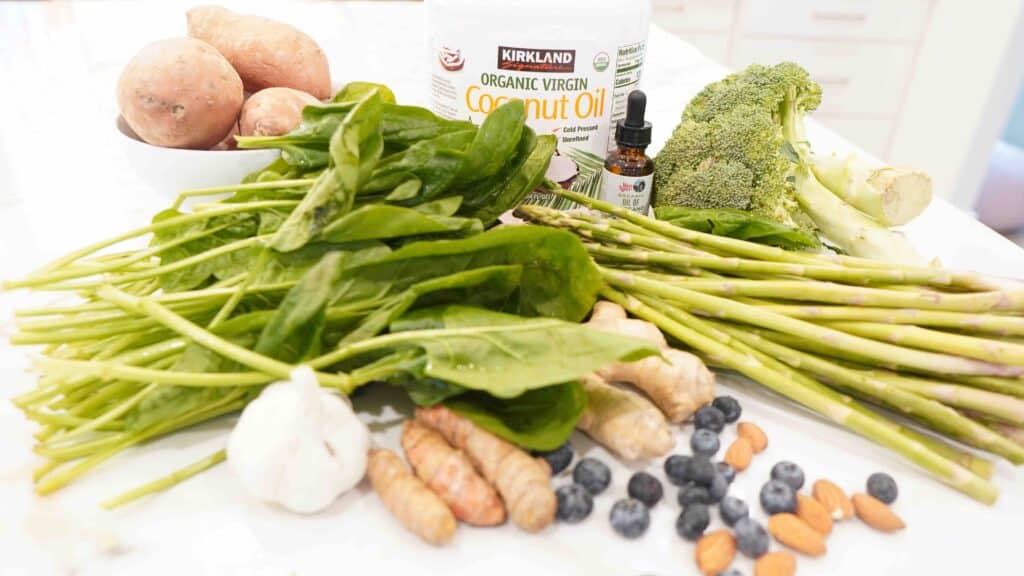
22 Best Foods That Kill Mold in the Body are:
- Garlic
- Coconut oil
- Ginger
- Turmeric
- Oregano oil
- Green tea
- Spinach
- Avocado
- Asparagus
- Okra
- Almonds
- Walnuts
- Broccoli
- Blueberries
- Citrus fruits
- Cauliflower
- Bell peppers
- Cucumbers
- Red cabbage
- Lemon
- Sweet potatoes
- Butternut squash
Best Anti-Fungal Foods to Kill Mold
The best anti-fungal foods to kill mold include garlic, coconut oil, ginger, turmeric, oregano oil, and green tea, as these foods contain natural compounds that support antifungal activity, immune health, and mold detoxification. These foods also provide antioxidants and bioactive nutrients that reduce inflammation, support gut balance, and assist the body in removing mycotoxins after mold exposure.
1. Garlic
Garlic is one of the best antifungal foods for mold detox because it contains allicin, a sulfur-containing compound that helps reduce fungal overgrowth in the body. Its biggest USP in a low-mold diet is its dual ability to fight mold naturally while supporting liver detoxification, helping the body process and remove mycotoxins more effectively. Garlic also strengthens immune function, supports gut balance, and helps reduce mold-related inflammation, making it one of the most effective natural foods for mold recovery.
2. Coconut oil
Coconut oil contains caprylic acid and lauric acid, two medium-chain fatty acids that help reduce fungal growth and support the body during mold detox. Its USP in mold recovery is its ability to provide natural antifungal support while remaining gentle on digestion, which makes it beneficial for people with mold-related gut sensitivity. Coconut oil also supports gut balance, provides a steady source of energy, and helps reduce inflammation linked to mold exposure and fungal imbalance.
3. Ginger
Ginger supports mold detox by supplying gingerol and shogaol, two active compounds that help control fungal activity and reduce inflammation caused by mycotoxin exposure. The USP of ginger in mold recovery is its ability to soothe the digestive system while supporting healthy circulation, which helps move nutrients and waste through the body more effectively. As a result, ginger promotes healthier digestion, supports immune defense, and helps the body recover from mold-related fatigue and digestive discomfort.
4. Turmeric
Turmeric helps the body respond to mold exposure because curcumin, its primary active compound, supports antifungal activity and reduces inflammation triggered by mycotoxins. The USP of turmeric in a low-mold diet is its strong antioxidant profile, which helps protect cells from oxidative stress linked to mold toxicity and immune disruption. Because of these properties, turmeric supports liver detoxification, strengthens immune function, and helps reduce joint discomfort, brain fog, and inflammatory symptoms during mold recovery.
5. Oregano oil
Oregano oil supports mold detox as it contains carvacrol and thymol, two powerful compounds that help reduce fungal growth and microbial imbalance in the body. What makes oregano oil stand out in mold recovery is its potent natural antifungal profile, which supports gut health and helps limit unwanted fungal activity during a low-mold diet. Due to its antifungal and antioxidant properties, oregano oil helps support immune defense, improve digestive balance, and reduce inflammation linked to mold exposure and mycotoxin buildup.
6. Green tea
Green tea aids mold detox through catechins and EGCG, antioxidant compounds that help reduce fungal activity and protect the body from oxidative stress caused by mycotoxins. One of the biggest advantages of green tea in mold recovery is its combination of antifungal support and cellular protection, which helps the body manage inflammation and immune stress at the same time. As a result, green tea promotes liver function, strengthens immune balance, and helps reduce fatigue and inflammation linked to mold exposure.

Glutathione-Rich Foods for Mold Detox
Glutathione-rich foods for mold detox include spinach, avocado, asparagus, okra, almonds, walnuts, and broccoli. These foods provide antioxidants and sulfur-containing nutrients that help increase glutathione production, support liver detoxification, and reduce oxidative stress caused by mold exposure. While food sources can help support glutathione production, reaching the therapeutic levels often used during mold detoxification may be difficult through diet alone. For individuals seeking additional support, the best glutathione supplements help increase glutathione availability as part of a comprehensive mold detox strategy.
7. Spinach
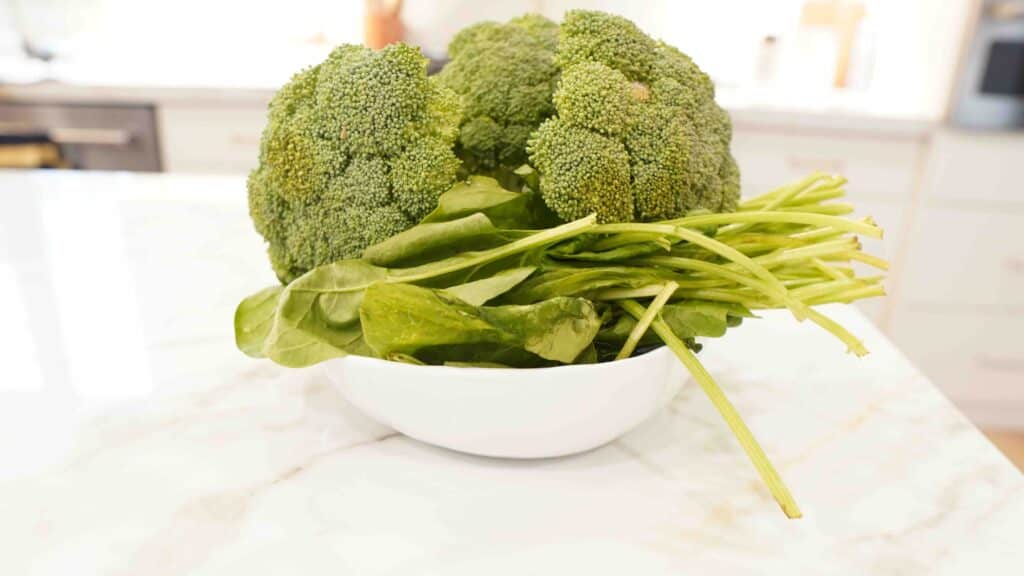
Spinach contains chlorophyll, vitamin C, and glutathione-supporting compounds that help the body reduce toxin buildup and manage oxidative stress during mold detox. A major advantage of spinach in mold recovery is its ability to nourish liver detoxification pathways while supplying antioxidants that protect cells from mycotoxin-related damage. Through these detox and antioxidant benefits, spinach helps strengthen immune function, improve energy levels, and support healthier digestion during mold exposure recovery.
8. Avocado
Avocado supplies glutathione-supporting nutrients, healthy fats, and antioxidants that help the body reduce oxidative stress and process toxins during mold detox. One key benefit of avocado in mold recovery is its rich combination of fiber and anti-inflammatory compounds, which helps support liver function and maintain gut health during mycotoxin exposure. By nourishing detox pathways and immune function, avocado helps improve energy production, reduce inflammation, and support healthier digestion throughout mold recovery.
9. Asparagus
Asparagus provides glutathione-supporting compounds, fiber, and antioxidants that help the body remove toxins and reduce oxidative stress during mold detox. In a low-mold diet, asparagus stands out for its sulfur-rich nutrient profile that helps the liver process mycotoxins and maintain healthy detox pathways. Its combination of fiber, antioxidants, and detox-supportive nutrients also helps improve digestion, strengthen immune health, and reduce inflammation linked to mold exposure.
10. Okra
Okra helps the body manage mold toxicity by supplying antioxidants, fiber, and glutathione-supporting nutrients that assist toxin removal and reduce inflammation caused by mycotoxin exposure. Its slimy fiber structure is especially useful in mold recovery because it helps support digestive health and promotes smoother elimination of waste and toxins through the gut. Along with supporting detox pathways, okra helps maintain gut balance, strengthen immune function, and reduce oxidative stress linked to mold exposure.
11. Almonds
Almonds support the body’s recovery from mold exposure by providing glutathione-supporting nutrients, vitamin E, and healthy fats that reduce oxidative stress and support detoxification pathways. Unlike many mold-prone nuts, properly stored almonds are considered more compatible with a low-mold diet because they contain antioxidants and fiber that support gut and immune health during mold detox. Their nutrient-rich profile also helps stabilize energy levels, reduce inflammation, and support healthier digestion during mycotoxin recovery.
12. Walnuts
Walnuts contain omega-3 fatty acids, antioxidants, and glutathione-supporting nutrients that help the body reduce inflammation and manage oxidative stress during mold detox. In mold recovery, walnuts are valued for their healthy fat profile, which helps protect cells from mycotoxin-related damage and supports brain function during detoxification. Their combination of fiber, minerals, and anti-inflammatory compounds also helps improve gut health, support immune balance, and reduce fatigue linked to mold toxicity.
13. Broccoli
Broccoli provides sulforaphane, fiber, and glutathione-supporting compounds that help the body process toxins and reduce oxidative stress during mold detox. Its role in mold detoxification is strongly connected to sulforaphane, a sulfur-rich compound that helps increase glutathione activity and activate liver detoxification enzymes involved in mycotoxin removal. Along with supporting detox pathways, broccoli helps strengthen immune function, improve gut health, and reduce inflammation linked to mold exposure.
Glutathione is a powerful supplement, so it should be used thoughtfully and appropriately. Understanding potential precautions and what to avoid when taking glutathione can help maximize its benefits and reduce the risk of unwanted effects.
Vitamin and Antioxidant-Rich Foods to Support Mold Recovery
Vitamin and antioxidant-rich foods to support mold recovery include blueberries, citrus fruits, cauliflower, bell peppers, cucumbers, red cabbage, lemon, sweet potatoes, and butternut squash. These foods provide antioxidants, vitamins, minerals, and fiber that help reduce inflammation, support immune function, protect cells from oxidative stress, and assist the body during mold detox and mycotoxin recovery.
14. Blueberries
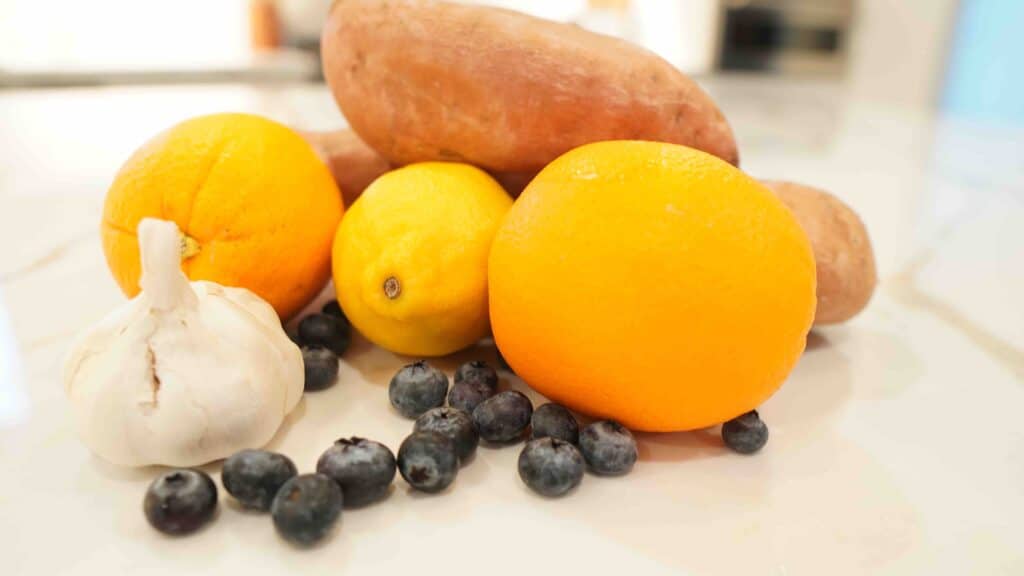
Blueberries contain anthocyanins, vitamin C, and antioxidants that help the body reduce oxidative stress and cellular damage caused by mold exposure. Their deep antioxidant profile makes blueberries especially beneficial during mold detox because they help protect immune cells and support the body’s natural response to mycotoxins. By supporting antioxidant defense and healthy inflammation levels, blueberries also help strengthen immune health, protect cognitive function, and support energy production while clearing mycotoxins.
15. Citrus fruits
Oranges, lemons, grapefruits, and other citrus fruits help the body handle mold detox by supplying vitamin C and antioxidants that protect cells from oxidative stress caused by mycotoxin exposure. One reason citrus fruits are highly beneficial during mold detoxification is their ability to strengthen immune response and assist glutathione-related detox pathways in the liver. Their nutrient-rich profile also helps maintain hydration, support skin and tissue repair, and reduce inflammation as the body removes toxins.
16. Cauliflower
Cauliflower contains glucosinolates, fiber, and antioxidants that help the body manage oxidative stress and support detoxification during mold exposure. A major benefit of cauliflower in mold detox is its sulfur-containing compounds, which help increase glutathione activity and support liver enzymes involved in mycotoxin breakdown. Through its detox-supportive and anti-inflammatory properties, cauliflower also helps strengthen immune health, improve digestion, and support cellular protection during mold recovery.
17. Bell peppers
Bell peppers provide vitamin C, antioxidants, and carotenoids that help the body reduce oxidative stress and support immune function during mold detox. Their high vitamin C concentration makes bell peppers especially valuable for mold detoxification because they help support glutathione activity and protect cells from mycotoxin-related damage. By supporting antioxidant defense and detox pathways, bell peppers also help improve energy production, reduce inflammation, and maintain a healthier immune balance throughout the detox process.
18. Cucumbers
Cucumbers contain water, vitamin K, and antioxidants that help the body stay hydrated and reduce oxidative stress during mold detox. Their naturally high water content gives cucumbers a key role in mold detoxification because proper hydration helps the kidneys and digestive system remove toxins and mycotoxins more efficiently. Through hydration and digestive support, cucumbers also help reduce inflammation, maintain gut balance, and support healthier detox pathways during mold recovery.
19. Red cabbage
Red cabbage provides anthocyanins, vitamin C, and sulfur-containing compounds that help the body reduce oxidative stress and support detoxification after mold exposure. Its deep purple pigments make red cabbage especially beneficial for mold detox because anthocyanins help protect cells from inflammation and mycotoxin-related damage. Along with supporting antioxidant defense, red cabbage helps improve gut health, strengthen immune function, and support healthier liver detox pathways as the body clears toxins.
20. Lemon
Rich in vitamin C and citric acid, lemon helps the body combat oxidative stress and maintain healthier detox pathways after mold exposure. A key advantage of lemon in mold detox is its ability to promote hydration and digestive activity, which helps the liver and digestive system process mycotoxins more efficiently. Its antioxidant and hydration-supportive properties also help improve immune response, reduce inflammation, and support natural energy production as toxins leave the body.
21. Sweet potatoes
Sweet potatoes provide beta-carotene, fiber, and antioxidants that help the body reduce inflammation and support immune function after mold exposure. Their standout role in mold detox comes from their high vitamin A content, which helps maintain healthy mucosal barriers and supports cellular protection against oxidative stress caused by mycotoxins. With their combination of complex carbohydrates and detox-supportive nutrients, sweet potatoes also help stabilize energy levels, improve gut health, and assist the body’s natural toxin elimination process.
22. Butternut squash
Butternut squash supplies beta-carotene, vitamin C, and antioxidants that help the body reduce inflammation and manage oxidative stress linked to mold exposure. Its nutrient-dense carbohydrate profile makes butternut squash especially useful for supporting immune health and maintaining steady energy levels while the body processes mycotoxins. Through its combination of fiber and antioxidant compounds, butternut squash also helps support gut health, improve cellular protection, and assist natural detoxification pathways.
What are the Benefits of Eating Anti-Mold Foods During Mold Detox?
The benefits of eating anti-mold foods during mold detox include better liver detoxification, stronger immune function, lower inflammation, improved gut health, increased glutathione production, and more effective removal of mycotoxins from the body. These nutrient-dense foods also help restore energy levels and support the body’s natural recovery process after mold exposure.
8 key benefits of eating Anti-Mold foods during mold detox include:
- Supports liver detoxification: Anti-mold foods such as broccoli, spinach, and lemon provide antioxidants and sulfur-containing nutrients that help the liver process and remove mycotoxins from the body. Better liver function helps reduce toxin buildup linked to mold exposure.
- Strengthens your immune system: Foods rich in vitamin C, antioxidants, and healthy fats help immune cells respond more effectively to fungal stress and inflammation. Stronger immune defense helps the body recover more efficiently from mold toxicity.
- Reduces mold-triggered inflammation: Anti-inflammatory foods such as turmeric, ginger, and blueberries help calm oxidative stress and inflammatory responses caused by mold exposure. Reduced inflammation can help lower symptoms such as sinus pressure, fatigue, and joint discomfort.
- Boosts glutathione production: Glutathione-supporting foods such as asparagus, avocado, and broccoli help the body produce more glutathione, a key antioxidant involved in mold detoxification. Increased glutathione activity helps improve cellular protection and toxin removal.
- Improves gut health: Fiber-rich foods such as okra, sweet potatoes, and cucumbers help maintain healthier digestion and support beneficial gut bacteria. Better gut balance helps the body eliminate toxins more effectively through regular bowel movements.
- Flushes out mycotoxins: Hydrating foods and antioxidant-rich fruits help support the kidneys, digestive system, and natural detox pathways involved in removing mycotoxins. Efficient toxin elimination helps reduce the burden caused by mold toxicity.
- Restores depleted nutrient levels: Nutrients such as vitamin C, magnesium, antioxidants, and healthy fats help restore nutrient levels that can become depleted after mold exposure. Replenishing these nutrients supports energy production, immune function, and healthier detox pathways in the body.
Protects against brain fog and fatigue: Antioxidants, healthy carbohydrates, and detox-supportive nutrients help protect brain cells and support stable energy production after mold exposure. This nutritional support helps improve focus, mental clarity, and overall energy levels.
Which are the Foods to Avoid if You Have Mold Toxicity?
Foods to avoid if you have mold toxicity include coffee beans, vinegar, fermented vegetables, soy sauce, dried fruit, mold-prone nuts, cheese, dairy, berries, packaged meats, grains, alcohol, high sugar foods, and processed foods, as these items can increase fungal burden, trigger inflammation, and worsen mycotoxin-related symptoms.
Below are the foods to avoid if you have mold toxicity
- Coffee beans: Coffee beans are roasted seeds used to make coffee, but poor storage conditions can increase mold and mycotoxin contamination. This contamination can worsen inflammation, digestive discomfort, and fatigue linked to mold toxicity.
- Vinegar: Vinegar is a fermented liquid commonly used in dressings and preserved foods, but fermentation can make it difficult for mold-sensitive individuals to tolerate. It triggers headaches, sinus irritation, and inflammatory reactions in people with mold exposure.
- Fermented vegetables (kimchi, pickles, sauerkraut): Fermented vegetables contain beneficial bacteria, but the fermentation process can increase histamine and fungal sensitivity in some individuals. These foods can worsen bloating, congestion, and inflammatory symptoms linked to mold toxicity.
- Soy sauce: Soy sauce is a fermented condiment made from soybeans and wheat, which can increase fungal and histamine exposure in sensitive individuals. This contributes to digestive irritation, headaches, and inflammation after mold exposure.
- Dried fruit (apricots, mango, raisins): Dried fruits are concentrated fruit products with lower water content, but improper storage can increase mold growth and sugar concentration. Excess sugar and mold exposure worsen fungal imbalance and fatigue.
- Mold-prone nuts: Nuts such as peanuts, pistachios, and cashews can develop mold contamination if exposed to moisture during storage and processing. Consuming mold-prone nuts increases mycotoxin burden and triggers inflammatory symptoms.
- Cheese: Cheese is a fermented dairy product that can contain mold cultures and high histamine levels. For people with mold toxicity, cheese worsens congestion, digestive discomfort, and inflammatory responses.
- Dairy: Dairy products such as milk and cream can be difficult to tolerate for people dealing with mold-related inflammation and gut imbalance. These foods contribute to mucus production, bloating, and digestive irritation.
- Berries: Berries are antioxidant-rich fruits, but they spoil quickly and can develop mold if not stored properly. Mold-contaminated berries increase fungal exposure and worsen symptoms in sensitive individuals.
- Packaged and smoked meats: Processed meats such as bacon, sausage, and deli meats often contain preservatives and can develop bacterial or fungal compounds during processing. These foods increase inflammation and place additional stress on detox pathways.
- Cereal and grains: Grains such as wheat, corn, and cereal products can develop mold contamination during harvesting and storage in humid environments. Mold-contaminated grains contribute to digestive issues and mycotoxin exposure.
- Alcoholic beverages: Alcoholic drinks are produced through fermentation, which can increase histamine and fungal-related compounds. Alcohol weakens detoxification pathways and worsens fatigue, inflammation, and brain fog after mold exposure.
- High sugar foods and drinks: Sugary foods and beverages provide excess sugar that can feed unwanted fungal growth and increase inflammation in the body. Higher sugar intake worsens energy crashes, gut imbalance, and mold-related symptoms.
- Processed and refined foods: Processed foods such as chips, fast food, packaged snacks, sugary cereals, and frozen meals contain additives, refined sugars, and low-quality fats that provide little nutritional support during mold detox. These foods can increase inflammation, weaken immune response, and slow natural detoxification processes.
Why Are Certain Foods High in Mold?
Certain foods are high in mold due to factors such as high sugar content, fermentation, improper storage conditions, high moisture levels, and processing or packaging methods that create an environment favorable for mold growth and mycotoxin contamination. These conditions allow mold spores and fungal compounds to grow more easily, which can increase toxin exposure and worsen symptoms in mold-sensitive individuals.
Below are certain foods that are high in mold
- High Sugar Content: High sugar foods and drinks contain large amounts of simple carbohydrates that encourage fungal growth and microbial imbalance in the body. Excess sugar also increases inflammation and worsens symptoms such as fatigue, brain fog, and digestive discomfort linked to mold toxicity.
- Fermentation Process: Fermented foods are produced through microbial activity that changes the texture, flavor, and preservation of food products. This process increases histamine levels and fungal compounds, which trigger inflammatory reactions and sensitivity in people affected by mold exposure.
- Improper Storage Conditions: Foods stored in warm, humid, or poorly ventilated environments are more likely to develop mold spores and mycotoxin contamination. Improper storage increases fungal growth in foods such as grains, nuts, dried fruit, and coffee beans.
- High Moisture Content: Foods with high moisture levels create an environment where mold grows more easily, especially when refrigeration or preservation is inadequate. Increased moisture speeds up spoilage and raises the risk of fungal contamination in sensitive foods.
- Processing and Packaging Methods: Certain food processing and packaging practices expose products to moisture, air, and long storage periods that increase mold development. Poor packaging conditions also reduce food quality and contribute to higher mycotoxin exposure over time.
If you think you have been exposed to mold or are experiencing symptoms of mold illness but have not completed a urine mycotoxin test, try avoiding the foods on our low mold food list for 10 days and monitor how you feel.
What Should You Take After Mold Exposure?
You should take mold detox binders, quercetin, N-acetylcysteine, glutathione supplements, and activated charcoal after mold exposure to support detoxification pathways, strengthen immune function, reduce oxidative stress, and help remove mycotoxins from the body. These supplements also help support liver function, improve cellular protection, and assist the body’s natural recovery process after mold toxicity.
Mold Detox Binders
Mold detox binders are supplements that bind mycotoxins inside the digestive tract and help remove them through normal waste elimination. After mold exposure, toxins can recirculate between the liver and gut, which increases toxic burden and prolongs symptoms. Binders help interrupt this cycle by preventing toxin reabsorption and supporting healthier detox pathways. Their detox-supportive role helps reduce digestive inflammation, improve toxin clearance, and relieve common symptoms such as bloating, fatigue, brain fog, and immune imbalance linked to mold toxicity. One of the most effective binders out there is the Cellcore Biotoxin Binder. It is truly one of the best tools on the market in terms of mold detoxification, followed closely by the more advanced mold binder, Carboxy by Cellcore.
Immune-Supporting Quercetin
Quercetin is a plant-derived flavonoid known for its antioxidant and anti-inflammatory properties that help regulate immune responses after mold exposure. Mycotoxins can overstimulate mast cells and increase histamine release, leading to symptoms such as congestion, skin irritation, fatigue, and inflammation. Many of the best quercetin supplements are formulated to support histamine balance, immune regulation, and antioxidant protection during recovery. Its immune-supportive properties also help improve respiratory comfort, protect cells from damage, and support recovery from mold-related inflammation and histamine sensitivity.
Detox-Supporting N-acetylcysteine
N-acetylcysteine, commonly known as NAC, is a bioavailable compound that helps the body produce glutathione, one of the most important antioxidants involved in detoxification. Mold exposure can lower glutathione levels and weaken the liver’s ability to process mycotoxins effectively. NAC helps restore glutathione production, support liver detox pathways, and reduce oxidative stress caused by mold toxicity. It also supports respiratory health by helping clear mucus buildup linked to mold exposure, making it beneficial for both detoxification and immune support.
Glutathione Supplements
Glutathione supplements provide a concentrated source of glutathione, a powerful antioxidant involved in liver detoxification, immune defense, and cellular protection. Mycotoxin exposure can deplete glutathione stores, which reduces the body’s ability to neutralize toxins and manage oxidative stress. Supplementing with glutathione helps restore antioxidant activity and improve the body’s detoxification capacity after mold exposure. These supplements also support energy production, strengthen immune response, protect cells from oxidative damage, and help the body remove toxins more efficiently.
Activated Charcoal
Activated charcoal is a porous carbon-based substance that binds toxins and waste compounds inside the digestive system. Following mold exposure, activated charcoal helps reduce enterohepatic recirculation, a process where mycotoxins released through bile become reabsorbed into the bloodstream instead of leaving the body. By binding toxins in the gut, activated charcoal helps lower toxic burden and support natural detoxification pathways. It also helps reduce bloating, digestive discomfort, and toxin-related symptoms while assisting the body in clearing mycotoxins more effectively.
How to Detox Mold From the Body?
To detox mold from the body, you should remove yourself from the mold source, support immune function, stay hydrated, follow a low mold diet, use sauna therapy, take mold detox supplements, work with a healthcare professional experienced in mycotoxin detox, and get a mycotoxin test to measure mold levels and guide recovery. In some cases, even chronic inflammatory response syndrome, also known as CIRS (we’ve been here before and overcome it). Contact us for a nutrition coaching package to fix this if you’re ready to commit to your health)
1. Remove Yourself From the Mold Source
The first step in mold detox is removing yourself from the mold source because ongoing exposure continues adding mycotoxins to the body and can delay recovery. Reduce exposure as quickly as possible to support detoxification and overall health.
- Identify mold-contaminated areas such as water-damaged walls, carpets, ceilings, HVAC systems, or poorly ventilated rooms, and determine what types of mold you have been exposed to.
- Remove or repair mold-damaged materials, including old carpets, water-damaged surfaces, leaking pipes, or damaged roofing that contribute to ongoing exposure.
- Clean and disinfect living and working spaces thoroughly to reduce mold spores and environmental contaminants.
- Improve ventilation and reduce moisture buildup to prevent additional fungal growth, mycotoxin contamination, and poor indoor air quality.
- Consider relocation if severe mold contamination cannot be effectively remediated and continues to affect your health.
- Focus on rebuilding immune strength and supporting internal detox pathways once exposure is controlled.
2. Support Your Immune System
After reducing mold exposure, strengthen your immune system so the body can respond better to inflammation, fungal stress, and toxin-related damage. Stronger immune function also improves the body’s ability to handle detoxification and recovery more efficiently before increasing hydration support.
- Eat antioxidant-rich foods such as spinach, blueberries, broccoli, and citrus fruits to support immune health.
- Improve sleep quality and lower stress levels to help the body recover from mold-related inflammation.
- Include regular physical activity to improve circulation and support natural detox pathways.
- Prepare detox pathways for improved hydration and toxin elimination in the next step.

3. Stay Hydrated
After strengthening immune health, stay hydrated throughout the detox process because proper fluid balance supports circulation, digestion, kidney function, and toxin elimination. Adequate hydration may also help the body process and remove mycotoxins more efficiently, especially when using binders or other mold detox supplements and binders.
- Drink enough water throughout the day to support kidney function and toxin removal.
- Increase fluid intake when using binders, as hydration helps support normal detoxification processes.
- Replenish electrolytes such as sodium, magnesium, potassium, and calcium to maintain healthy fluid balance.
- Include mineral-rich hydration options and hydrating foods such as cucumbers, citrus fruits, and broth-based meals.
- Monitor hydration daily to support energy levels, recovery, and overall detox function.
- Follow a low mold diet to help reduce additional exposure to mold-related triggers.
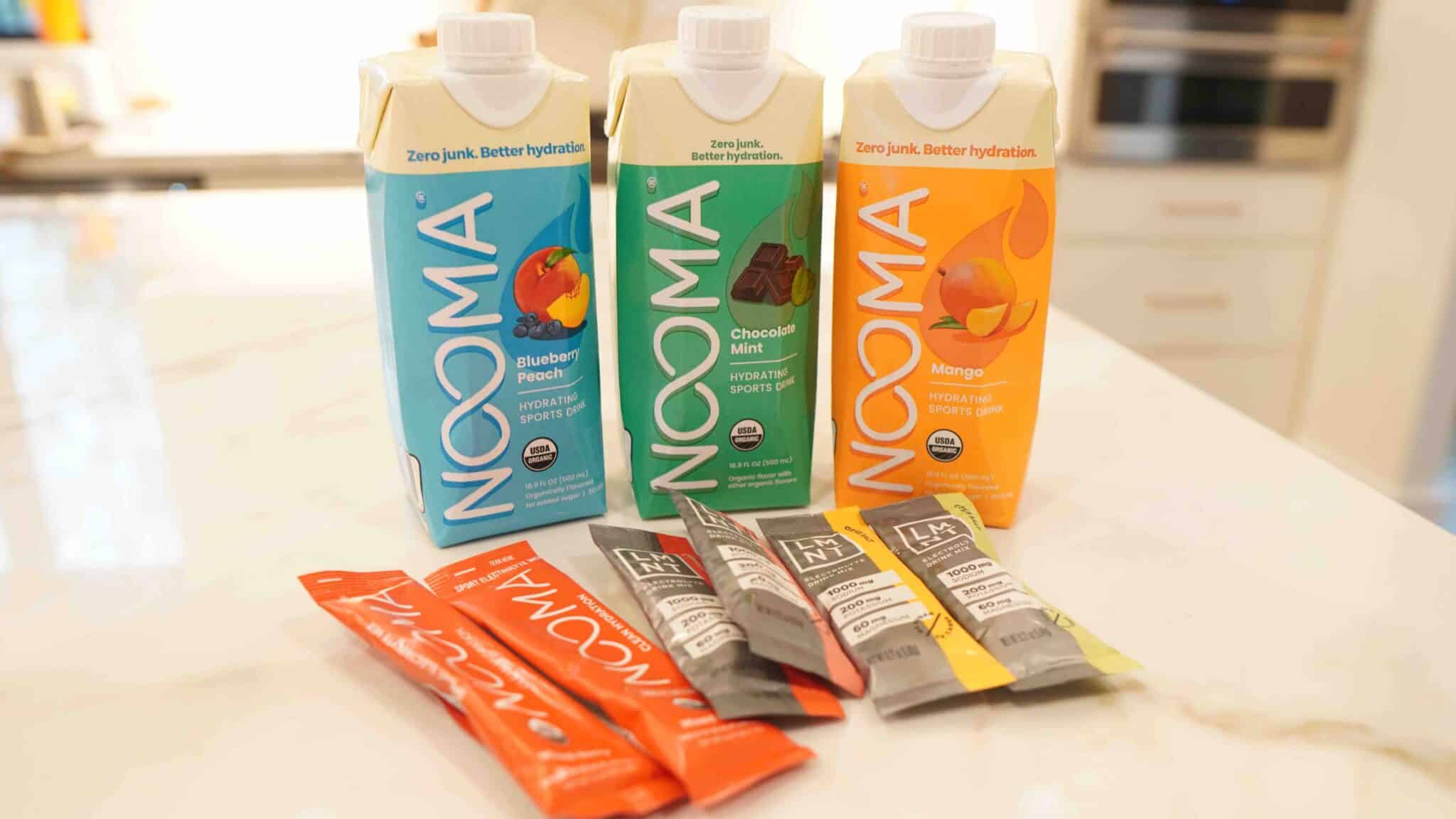
Some of our favourite hydration beverages to boost mineral intake include LMNT packets and the Nooma Sports Drinks, which are free from artificial ingredients and high fructose corn syrup. Use code FWDfuel for 20% off when you try NOOMA.
4. Follow a Low Mold Diet
Once hydration and digestion improve, follow a low-mold diet to reduce fungal burden, digestive stress, and inflammation caused by mold-prone foods and excess sugar intake. Cleaner food choices also help improve gut balance before increasing circulation and sweating support.
- Remove processed foods, alcohol, aged cheese, fermented foods, and high sugar products from your diet.
- Focus on fresh vegetables, low-mold fruits, clean proteins, and antioxidant-rich foods that support detoxification.
- Store foods properly to reduce moisture buildup and prevent mold contamination.
- Increase circulation support next through sauna therapy and sweating.
5. Use Sauna Therapy to Sweat Out Toxins
As dietary habits become cleaner, use sauna therapy to improve sweating, circulation, and toxin elimination through the skin while supporting detox pathways affected by mold exposure. Many people include infrared sauna sessions in their detox routine because the benefits of infrared saunas support relaxation, circulation, and overall wellness during recovery. Increased sweating also helps prepare the body for stronger antioxidant and supplement-based detox support.
- Use infrared or traditional saunas several times per week to increase sweating and circulation.
- Drink water and replenish electrolytes before and after sauna sessions to maintain hydration.
- Start with shorter sauna sessions and gradually increase duration based on comfort and tolerance.
- Add targeted detox supplements to strengthen liver detoxification and antioxidant activity.

Use code FWDFUEL50 at checkout for $50 off your sauna blanket purchase from Sun Home Saunas.
6. Take Mold Detox Supplements
Once circulation and sweating support are established, take mold detox supplements to strengthen liver detoxification, antioxidant activity, and mycotoxin removal more effectively. Proper mold detox supplements also support immune balance before moving toward personalized recovery guidance.
- Use supplements such as binders, glutathione, NAC, quercetin, and activated charcoal under proper guidance.
- Follow timing instructions carefully, especially when taking binders or activated charcoal with meals or medications.
- Combine supplements with hydration and nutrient-dense foods for stronger detox support.
- Seek professional detox guidance to personalize recovery strategies safely.
7. Work With a Healthcare Professional Experienced With Mycotoxin Detox
As supplement support becomes part of the recovery plan, work with a healthcare professional to build a personalized detox strategy based on symptoms, toxin exposure, and overall health status. Professional guidance also helps improve testing accuracy and long-term detox planning.
- Consult a practitioner experienced in mold toxicity and mycotoxin detoxification protocols.
- Discuss symptoms, environmental exposure, supplement use, and dietary changes during consultations.
- Follow personalized recommendations for detox support, nutrition, and recovery monitoring.
- Measure toxin levels next through targeted mycotoxin testing.
We can guide you through the process safely and get you quicker results than you can on your own. Schedule your complimentary 15-minute strategy call today to work with our team.
8. Get a Mycotoxin Test to Measure Mold Levels
Once a structured detox strategy is underway, get a mycotoxin test to identify the type and severity of mold toxins affecting the body more accurately. Understanding toxin levels also helps improve recovery monitoring and long-term prevention strategies against future mold exposure. A mycotoxin test provides measurable data on mold-related toxins, helping determine exposure levels and supporting more targeted detoxification and recovery decisions.
- Use urine, blood, or laboratory-based testing methods recommended by a qualified healthcare provider.
- Review test results carefully to identify the type and amount of mold toxins affecting the body.
- Adjust supplements, dietary changes, and detox strategies based on toxin levels and symptom patterns.
- Continue maintaining healthy detox habits and reducing future mold exposure to support long-term recovery.
FWDfuel Sports Nutrition trusts Fullscript to power their dispensary. Here's why you should too:
FWDfuel Sports Nutrition
Sign up free · No subscription required · Cancel anytime


