

Reducing chronic inflammation requires a comprehensive approach that addresses its root causes rather than relying on a single food, supplement, or treatment. Understanding what causes inflammation, recognizing its symptoms, choosing nutrient-dense foods, adopting healthy lifestyle habits, knowing when supplements or medications may be appropriate, and seeking timely medical evaluation when symptoms persist can help support a balanced immune response and improve long-term health.
What Is Inflammation?
Inflammation is the body’s natural defense mechanism against injury, infection, toxins, or other harmful stimuli. When the immune system detects a threat, it activates a coordinated response involving immune cells, blood vessels, and chemical messengers to remove harmful agents, repair tissue, and restore normal function. Short-term inflammation is not harmful but it is a necessary process that protects the body after events like cuts, infections, or intense physical activity.
Problems arise when inflammation persists after the original trigger resolves, or when the immune system remains continuously activated. Chronic inflammation can gradually damage healthy tissues and has been linked to cardiovascular disease, type 2 diabetes, obesity, NAFLD, rheumatoid arthritis, IBD, and Alzheimer’s disease, among other chronic conditions.
What is Acute Inflammation?
Acute inflammation is a short-term immune response that develops immediately after an injury, infection, or exposure to harmful substances. Its primary purpose is to eliminate the cause of injury, protect surrounding tissues, and begin healing. It usually develops within minutes or hours and resolves within several days once the underlying cause has been addressed.
During acute inflammation, blood vessels widen to increase blood flow to the affected area, allowing white blood cells, nutrients, and immune proteins to reach damaged tissue more efficiently. Immune cells such as neutrophils destroy bacteria and remove damaged cells, initiating tissue repair before inflammation naturally subsides.
Common examples of acute inflammation include:
- A cut or scrape that becomes temporarily red and swollen
- A sprained ankle after exercise
- A sore throat caused by a viral infection
- Muscle soreness following an unfamiliar workout
- An insect bite that produces localized redness and swelling
The classic signs of acute inflammation include:
- Redness
- Swelling
- Warmth
- Pain
- Temporary loss of function
These symptoms indicate that the immune system is actively responding to tissue damage and are generally considered part of a healthy healing response.
What is Chronic Inflammation?
Chronic inflammation is a prolonged immune response that keeps the body in a state of activation for months or years, often without obvious symptoms, continuing to damage healthy tissue long after the original trigger has disappeared. This persistent state can interfere with normal cellular function, increase oxidative stress, and contribute to the development of numerous chronic diseases.
Several factors can promote chronic inflammation, including excess body fat, diets high in ultra-processed foods, physical inactivity, poor sleep, chronic psychological stress, smoking, excessive alcohol intake, autoimmune diseases, persistent infections, and long-term exposure to environmental pollutants.
Research has linked chronic inflammation with conditions such as:
- Cardiovascular disease
- Type 2 diabetes
- Metabolic syndrome
- Obesity
- Nonalcoholic fatty liver disease
- Rheumatoid arthritis
- Psoriasis
- Inflammatory bowel disease
- Alzheimer’s disease
- Certain cancers
Unlike acute inflammation, chronic inflammation is often silent. Many people experience general symptoms such as fatigue, joint discomfort, digestive problems, brain fog, poor recovery after exercise, or recurring illnesses before receiving a medical diagnosis.
Acute vs. Chronic Inflammation
| Feature | Acute Inflammation | Chronic Inflammation |
| Purpose | Protects the body and promotes healing | Persistent immune activation that may damage healthy tissue |
| Duration | Hours to several days | Months to years |
| Common Causes | Injury, infection, burns, surgery | Obesity, poor diet, autoimmune disease, chronic stress, smoking |
| Immune Response | Rapid and short-term | Ongoing and dysregulated |
| Typical Symptoms | Redness, swelling, warmth, pain | Fatigue, joint pain, digestive issues, brain fog, low-grade symptoms |
| Outcome | Usually resolves after healing | May increase the risk of chronic disease if left unmanaged |
What Happens in the Body During Inflammation?
Inflammation begins when immune cells detect damaged tissue, invading microorganisms, or harmful substances, releasing cytokines that recruit additional immune cells and coordinate healing. Blood vessels dilate to deliver white blood cells and nutrients to the area, causing the redness, swelling, warmth, and pain associated with clearing damaged cells and pathogens. Once healing is complete, the body suppresses these signals and restores balance.
Problems arise when inflammatory signals stay active too long. Prolonged activation can increase oxidative stress, impair insulin sensitivity, damage blood vessels, and disrupt gut barrier function. A nutrient-dense diet, regular activity, restorative sleep, stress management, and a healthy weight help the body resolve inflammation naturally.
What Causes Inflammation in the Body?

Inflammation is most commonly caused by unhealthy dietary patterns, excess body fat, chronic stress, inadequate sleep, smoking, excessive alcohol consumption, autoimmune diseases, persistent infections, and long-term exposure to environmental toxins. Over time, these triggers keep the immune system activated well beyond its original purpose, gradually damaging tissue and raising the risk of several chronic diseases.
Below are the 8 most common causes of inflammation in the body:
- Poor Dietary Habits
Ultra-processed foods, refined carbohydrates, added sugars, trans fats, and processed meats are linked to blood sugar spikes, insulin resistance, and excess inflammatory cytokines. A scoping review of 24 studies found that higher ultra-processed food intake was consistently associated with elevated CRP, IL-6, and TNF-alpha across multiple populations (Ciaffi et al., 2025). In contrast, vegetables, fruits, legumes, whole grains, fatty fish, nuts, seeds, and extra virgin olive oil supply fiber, antioxidants, and omega-3s that support normal inflammatory responses.
- Excess Body Fat and Obesity
Excess visceral fat continuously releases inflammatory proteins called adipokines, including leptin, TNF-alpha, IL-6, and resistin, that contribute to chronic low-grade inflammation and interfere with insulin sensitivity and cardiovascular health. A 2025 analysis of NHANES data published in Frontiers in Medicine found that adults with elevated BMI and high body fat percentage had over six times the odds of elevated hs-CRP compared to healthy-weight adults, with overall inflammation prevalence reaching 32.7% across the study population (Liu-Galvin et al., 2025). Even modest weight loss through balanced nutrition and physical activity can reduce these markers.
- Chronic Psychological Stress
Chronic stress activates the hypothalamic-pituitary-adrenal (HPA) axis, disrupting cortisol regulation and promoting persistent inflammatory signaling. A study of 914 adults found that higher perceived stress was associated with flatter diurnal cortisol slopes, which in turn were linked to elevated CRP, IL-6, and fibrinogen, confirming stress-induced inflammation through cortisol dysregulation (Knight et al., 2021). Stress-management techniques such as mindfulness meditation, breathing exercises, yoga, and social connection help restore that balance.
- Poor Sleep Quality
Chronic sleep deprivation or fragmented sleep increases inflammatory cytokine production and oxidative stress while disrupting tissue repair and hormone regulation. A major cohort study found each additional hour of habitual sleep loss was associated with an 8% increase in CRP and a 7% increase in IL-6 (Gradner et al., 2013l). A 2025 meta-analysis of 35 studies confirmed that restricting sleep to around 4.5 hours over multiple nights significantly raised both markers, while a single night of poor sleep did not (Khaja, 2025). A consistent sleep schedule and a comfortable sleep environment support healthier inflammatory regulation.
- Smoking and Excessive Alcohol Consumption
Tobacco smoke damages blood vessels and immune cells while raising oxidative stress, contributing to COPD, cardiovascular disease, and rheumatoid arthritis. A study of 5,503 adults found that smokers were 55% more likely to have clinically elevated hs-CRP than non-smokers, a risk that more than doubled among smokers with metabolic syndrome (Jamal et al., 2014). Excessive alcohol intake compounds this by weakening the intestinal barrier, disrupting the gut microbiome, and impairing liver function, with heavy use consistently linked to elevated CRP and pro-inflammatory cytokines.
- Autoimmune Diseases
Autoimmune diseases cause chronic inflammation when the immune system mistakenly attacks healthy tissue, damaging joints, skin, digestive organs, or glands depending on the condition. In bacterial infections, CRP can rise up to 1,000-fold, while autoimmune conditions sustain lower but persistent elevation, with CRP plasma concentrations deviating by at least 25% during active inflammatory disorders such as rheumatoid arthritis, lupus, psoriasis, multiple sclerosis, and Hashimoto’s thyroiditis (Sproston & Ashworth, 2018). These conditions often require long-term medical management alongside lifestyle interventions.
- Persistent Infections
Persistent infections keep the immune system continuously activated, preventing inflammation from resolving as it normally would after an acute infection clears.A large population-based study using UK Biobank and CoLaus cohort data found that seropositivity for persistent pathogens was significantly associated with elevated CRP, with cumulative pathogen burden showing a dose-response relationship where each additional latent infection further raised inflammatory markers (Hodel et al., 2022). Prompt diagnosis and appropriate medical treatment reduce the likelihood of ongoing inflammatory stimulation.
- Environmental Toxins and Air Pollution
Long-term exposure to pollutants like vehicle emissions, industrial pollution, pesticides, and heavy metals increases oxidative stress and activates inflammatory pathways. A cross-sectional study of 60,581 adults found that each 10 μg/m³ increase in fine particulate matter (PM2.5) was associated with a 10.27% increase in hs-CRP, with stronger effects observed for PM2.5 than for larger particulate matter (Kim et al., 2022). Reducing unnecessary exposure, improving indoor air quality, and consuming antioxidant-rich foods help minimize these effects.
What Are the Signs and Symptoms of Inflammation?
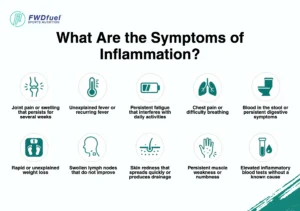
Inflammation symptoms differ depending on whether the response is acute or chronic. Acute inflammation develops rapidly after injury or infection, producing noticeable signs like redness, swelling, warmth, and pain. Chronic inflammation develops gradually and can persist for months or years with subtler symptoms, such as fatigue, digestive problems, and joint discomfort, that are easy to overlook. Recognizing these symptoms early allows for appropriate medical evaluation and lifestyle changes that address ongoing inflammation.
What Are the Symptoms of Acute Inflammation?
The five classic symptoms of acute inflammation, redness, swelling, warmth, pain, and temporary loss of function, appear within minutes or hours as blood vessels widen and immune cells move into the affected tissue. These changes deliver healing resources and limit movement to prevent worsening of the injury, gradually improving as healing progresses.
- Redness
Redness develops because blood vessels widen, increasing blood flow to the affected area. This process delivers oxygen, nutrients, and immune cells that support tissue repair and help eliminate harmful microorganisms. Redness commonly occurs around cuts, insect bites, minor burns, and skin infections.
- Swelling
Swelling occurs when fluid, white blood cells, and inflammatory proteins move from the bloodstream into injured tissues. This temporary accumulation helps isolate damaged tissue while supporting the body’s healing response. Mild swelling is common after sprains, muscle strains, fractures, or surgical procedures.
- Warmth
Inflamed tissues often feel warmer than surrounding areas because increased blood circulation delivers immune cells and nutrients needed for recovery. Localized warmth commonly accompanies skin infections, joint injuries, and other forms of acute tissue damage.
- Pain or Tenderness
Inflammatory mediators, including prostaglandins and bradykinin, stimulate nearby nerve endings, making the affected area more sensitive. Pain helps protect injured tissues by discouraging excessive movement during the healing process. Depending on the severity of the injury, discomfort may range from mild tenderness to significant pain.
- Temporary Loss of Function
Pain, swelling, and tissue damage may temporarily reduce normal movement or function. For example, an inflamed ankle may become difficult to walk on, or an inflamed shoulder may have a limited range of motion until healing occurs.
What Are the Symptoms of Chronic Inflammation?
Common symptoms of chronic inflammation include persistent fatigue, joint pain and stiffness, digestive problems, brain fog, frequent illness, skin changes, and unexplained weight changes, often mistaken for stress, aging, or overwork. These stem from continuously active immune cells, disrupted gut function, and metabolic dysfunction that together affect energy, recovery, and overall health over tim
- Persistent Fatigue
Inflammation increases the body’s energy demands as immune cells remain continuously active. Many individuals experience ongoing tiredness, reduced stamina, or difficulty recovering after physical or mental activity despite getting adequate sleep.
- Joint Pain and Stiffness
Persistent inflammation can affect joints, tendons, and surrounding connective tissues, leading to pain, stiffness, swelling, and reduced flexibility. Morning stiffness lasting longer than 30 minutes may occur in inflammatory conditions such as rheumatoid arthritis.
- Digestive Problems
Chronic inflammation may alter gut barrier function and disrupt the balance of beneficial intestinal bacteria. Individuals may experience abdominal discomfort, bloating, diarrhea, constipation, or symptoms associated with inflammatory bowel diseases such as Crohn’s disease and ulcerative colitis.
- Brain Fog and Difficulty Concentrating
Some individuals with chronic inflammation report difficulty concentrating, slower thinking, memory problems, or reduced mental clarity. Researchers continue to investigate the relationship between inflammatory cytokines and cognitive function.
- Frequent Illness or Slow Recovery
Persistent inflammation can impair normal immune regulation, making it more difficult for the body to recover efficiently from infections, injuries, or strenuous physical activity.
- Skin Changes
Inflammatory skin conditions such as psoriasis, eczema, acne, and rosacea may worsen when inflammatory pathways remain overactive. Some individuals also experience delayed wound healing or increased skin sensitivity.
- Unexplained Weight Changes
Chronic inflammation may contribute to metabolic dysfunction, insulin resistance, hormonal changes, and altered appetite regulation. These changes can make maintaining a healthy body weight more challenging over time.
Which Symptoms Require Medical Evaluation?
While occasional inflammation is a normal part of healing, persistent or severe symptoms may indicate an underlying medical condition that requires professional assessment. Medical evaluation becomes particularly important when inflammation is accompanied by symptoms that suggest infection, autoimmune disease, or organ involvement.
Seek medical attention if you experience:
- Joint pain or swelling that persists for several weeks
- Unexplained fever or recurring fever
- Persistent fatigue that interferes with daily activities
- Chest pain or difficulty breathing
- Blood in the stool or persistent digestive symptoms
- Rapid or unexplained weight loss
- Swollen lymph nodes that do not improve
- Skin redness that spreads quickly or produces drainage
- Persistent muscle weakness or numbness
- Elevated inflammatory blood tests without a known cause
A healthcare professional may recommend a physical examination, laboratory testing, or diagnostic imaging to identify the underlying cause of inflammation and determine the most appropriate treatment plan.
Acute vs. Chronic Inflammation Symptoms
| Acute Inflammation | Chronic Inflammation |
| Redness | Persistent fatigue |
| Swelling | Joint pain and stiffness |
| Warmth | Digestive problems |
| Pain or tenderness | Brain fog |
| Temporary loss of function | Frequent illness or slow recovery |
| Develops within hours or days | Develops gradually over months or years |
| Usually resolves after healing | Often requires long-term management |
Recognizing the difference between acute and chronic symptoms helps individuals tell a normal healing response from a sign of an underlying health condition. Persistent symptoms should not be ignored, especially when they interfere with daily life or continue despite healthy lifestyle changes.
What Are the Best Ways to Reduce Inflammation Naturally?
You can reduce inflammation naturally by eating an anti-inflammatory diet, exercising regularly, prioritizing quality sleep, managing chronic stress, supporting gut and oral health, and maintaining a moderate, sustainable body weight, while consulting a healthcare professional if symptoms persist. Left unaddressed, chronic inflammation driven by poor diet, inactivity, stress, and excess body fat can contribute to conditions like heart disease, type 2 diabetes, and arthritis, while these lifestyle habits work together to help the body regulate that response over time.
Below are 8 evidence-based strategies that may help reduce inflammation naturally.
1.Eat an Anti-Inflammatory Diet
Build your meals around a Mediterranean-style eating pattern, since research consistently links it to lower inflammation. A study in the Journal of the American College of Cardiology found that those with the highest adherence to a Mediterranean diet had, on average, 20% lower CRP, 17% lower IL-6, 15% lower homocysteine, 14% lower white blood cell count, and 6% lower fibrinogen than those with the lowest adherence (Chrysohoou et al., 2004). A 2025 umbrella review and a meta-analysis of 33 randomized trials covering 3,476 participants confirmed significant reductions in CRP, IL-6, and IL-17 (Keshani et al., 2025). Even without weight loss, men with metabolic syndrome who followed a Mediterranean diet saw CRP drop by 26.1% and a composite inflammatory score fall by 9.9% (Richard et al., 2013).
This whole-food pattern, centered on vegetables, fruits, legumes, whole grains, fatty fish, nuts, seeds, and extra-virgin olive oil, provides nutrients that help regulate inflammatory pathways. Replacing ultra-processed foods with minimally processed ingredients also supports healthy blood sugar levels, gut microbiome diversity, and long-term immune function.
2.Limit Foods That Promote Inflammation
Sugar’s impact on inflammation has less to do with total intake and more with where it comes from. Sugar-sweetened beverages, refined carbohydrates, processed meats, fried foods, and trans fats are consistently linked to higher inflammatory markers and oxidative stress, while whole fruit and dark chocolate tend to have the opposite effect despite also containing sugar. This matters most for those already at metabolic risk, where even modest intake can tip the balance toward chronic low-grade inflammation.
A systematic review of 64 controlled feeding trials supported this, finding that mixed diets containing sugary drinks increased CRP, whereas diets featuring whole fruit and dark chocolate reduced inflammatory markers (Qi et al., 2022). NHANES data added weight to this picture, showing that prediabetic adults with high sugar-sweetened beverage intake had a 1.57-fold higher risk of elevated CRP than non-consumers, even after accounting for abdominal obesity (Lin et al., 2022). Swap sugary drinks for water, fruit, or unsweetened alternatives, and lean toward nutrient-dense whole foods to support normal immune function.
3.Exercise Consistently
Make regular movement non-negotiable, since the evidence for exercise’s anti-inflammatory effect is substantial. Physical activity lowers inflammation by reducing visceral fat, improving insulin sensitivity, increasing circulation, and stimulating the release of anti-inflammatory molecules called myokines from contracting skeletal muscle. The effect can be especially strong in older adults. One study found that high-sensitivity CRP decreased by 10% after 16 weeks of aerobic training and by 51% by 32 weeks, while strength training produced an 11% reduction at 16 weeks and 39% at 32 weeks, with both effects becoming statistically significant only at the later time point (Martins et al., 2010).
A meta-analysis of 30,017 participants from 25 systematic reviews found that both aerobic and resistance exercise significantly reduced CRP, IL-6, and TNF-alpha, with combined training programs showing among the strongest effects (Magni et al., 2025). Pairing exercise with weight reduction lowered median CRP from 0.63 mg/L to 0.41 mg/L in one trial (Okito et al., 2004). Aim for at least 150 minutes of moderate-intensity activity weekly, spread across most days, plus strength training targeting major muscle groups on two or more non-consecutive days.
4.Prioritize High-Quality Sleep
Treat sleep as a frontline inflammation-control habit, not an afterthought. Sleep supports immune regulation, hormone balance, and cellular repair, and the relationship between sleep and inflammation is more nuanced than “less sleep, more inflammation.” Both insufficient sleep and poor sleep quality can disrupt these processes, but the effects depend heavily on duration and consistency rather than a single bad night.
A 2025 meta-analysis found that restricting sleep to roughly 4.5 hours per night for three or more consecutive nights significantly raised IL-6 and CRP, while a single night of sleep loss did not, with effects building over sustained deprivation rather than appearing immediately (Ballesio et al., 2025). A separate meta-analysis of more than 50,000 participants across 72 studies found that sleep disturbance, short sleep duration, and unusually long sleep duration were all associated with elevated CRP, whereas only sleep disturbance and long sleep duration were associated with elevated IL-6 (Irwin et al., 2017). Aim for consistent, uninterrupted sleep within the seven-to-nine-hour range rather than focusing on duration alone.
5.Manage Chronic Stress
Incorporate stress-reduction practices into your daily routine rather than treating them as occasional relief. Long-term psychological stress keeps the body’s stress response activated, increasing cortisol dysregulation and inflammatory signaling, and daily practice matters more than occasional relief efforts for breaking this cycle. Combine movement-based practices like yoga with mindfulness meditation, controlled breathing, time outdoors, and supportive social connection to help regulate the stress response that drives chronic inflammation.
A 2019 systematic review in Biological Research for Nursing examined yoga’s effect on inflammatory biomarkers in adults with chronic inflammatory-related conditions such as heart disease, cancer, and rheumatoid arthritis, finding that a higher total yoga dose, more than 1,000 minutes of practice, was associated with greater improvements in inflammation, with the combination of postures and slow-breathing techniques appearing particularly effective at lowering inflammatory markers over time (Djalilova et al., 2019). This reinforces that consistency and cumulative practice, not occasional sessions, are what drive measurable reductions in chronic inflammatory signaling.
6.Support a Healthy Gut Microbiome
Do not overlook oral health as part of your gut and systemic inflammation strategy. The digestive system plays an important role in regulating inflammation because a large portion of the immune system resides within the gut, and the mouth is the entry point to that system. Periodontal pockets, which can total 8 to 20 square centimeters of surface area, provide a direct route for bacteria, their byproducts, and inflammatory mediators such as IL-1, IL-6, CRP, and fibrinogen to enter systemic circulation, meaning gum inflammation can measurably affect inflammation elsewhere in the body (Hajishengallis & Chavakis, 2021).
A landmark randomized controlled trial published in the New England Journal of Medicine assigned 120 patients with severe periodontitis to either standard community-based care or intensive periodontal treatment, finding that periodontitis is associated with elevated CRP and other inflammatory biomarkers, and that treating the underlying gum disease produced measurable improvements in systemic inflammation and vascular function over a six-month follow-up (Tonetti et al., 2007). Along with maintaining good oral hygiene by brushing twice daily, flossing regularly, and scheduling routine dental checkups, support your gut microbiome by eating fiber-rich foods, fermented foods such as yogurt or kefir, and prebiotic-rich vegetables. Together, these habits help nourish beneficial bacteria that produce short-chain fatty acids, strengthen the intestinal barrier, and support a balanced inflammatory response.
7.Maintain a Healthy Body Weight
Focus on moderate, sustainable weight loss rather than rapid or extreme reduction. Excess visceral fat surrounding internal organs releases inflammatory proteins known as adipokines that contribute to chronic low-grade inflammation, and shedding that fat gradually appears to compound these benefits over time rather than delivering them all at once. Gradual, sustainable weight loss through balanced nutrition and regular physical activity can improve metabolic health and reduce inflammatory markers in individuals with overweight or obesity.
This dose-response relationship between weight loss and inflammation was confirmed in the STEP-HFpEF trial, where 529 adults with obesity were randomized to semaglutide or placebo over 52 weeks. Average body weight fell 13.3% in the treatment group compared to just 2.6% with placebo, and CRP dropped 43.5% versus only 7.4% in the placebo group (Borlaug et al., 2023). A prespecified analysis of the same trial found that greater body weight reduction produced a proportionally greater drop in CRP across all obesity severity categories studied, reinforcing that sustained, cumulative weight loss, not a single dramatic drop, drives meaningful reductions in inflammation.
8.Work With a Healthcare Professional When Inflammation Persists
Persistent fatigue, ongoing joint pain, digestive symptoms, unexplained weight changes, recurrent infections, or elevated inflammatory blood markers may signal an underlying medical condition rather than something lifestyle changes alone can resolve. Chronic inflammation can be a downstream symptom of conditions such as autoimmune disorders, thyroid dysfunction, or insulin resistance, meaning it is often a clue pointing to a root cause that needs proper diagnosis. Lab markers such as CRP, ESR, and IL-6 can help confirm and track inflammatory activity, but interpreting them correctly requires clinical context.
A registered dietitian can provide one on one nutrition coaching tailored to your specific inflammatory drivers, while a physician can determine whether additional testing or medical treatment is appropriate. Do not rely on lifestyle changes alone if symptoms persist despite consistent effort, since some inflammatory conditions require targeted medical intervention.
What Are the Best Foods That Help Reduce Inflammation?
The best foods for reducing inflammation include fatty fish, extra virgin olive oil, colorful fruits, leafy greens and cruciferous vegetables, nuts and seeds, whole grains and legumes, anti-inflammatory herbs and spices, and fermented foods, each contributing fiber, omega-3s, and antioxidants that regulate inflammatory pathways. No single food works alone, but combining these consistently helps reduce oxidative stress and support balanced immune function.
- Fatty Fish
Fatty fish are among the richest dietary sources of the long-chain omega-3 fatty acids eicosapentaenoic acid (EPA) and docosahexaenoic acid (DHA). These healthy fats help regulate the production of inflammatory compounds and support cardiovascular, brain, and joint health.
Examples include:
- Salmon
- Sardines
- Mackerel
- Trout
- Herring
- Anchovies
Aim to consume at least two servings of fatty fish per week as recommended by many heart health organizations. Individuals who do not regularly eat fish may benefit from discussing omega-3 supplementation with their healthcare provider.
- Extra Virgin Olive Oil
Extra virgin olive oil is a cornerstone of the Mediterranean diet and is widely recognized for its anti-inflammatory properties. It contains monounsaturated fats and plant polyphenols, including oleocanthal, a naturally occurring compound that has been shown to influence inflammatory pathways.Replacing butter or highly refined cooking oils with extra virgin olive oil may support cardiovascular health while helping reduce oxidative stress.
Practical ways to use extra virgin olive oil include:
- Salad dressings
- Roasted vegetables
- Whole grain dishes
- Homemade marinades
- Light sautéing
Choose cold-pressed extra virgin olive oil and store it away from heat and direct sunlight to preserve its beneficial compounds.
- Berries and Colorful Fruits
Many fruits contain flavonoids, anthocyanins, vitamin C, and other antioxidants that help protect cells from oxidative damage while supporting normal immune function.
Fruits commonly associated with anti-inflammatory benefits include:
- Blueberries
- Strawberries
- Blackberries
- Raspberries
- Cherries
- Oranges
- Pomegranates
- Grapes
Rather than relying on a single fruit, eating a wide variety of colorful fruits throughout the week provides a broader range of beneficial phytonutrients.
- Leafy Green and Cruciferous Vegetables
Vegetables provide fiber, vitamins, minerals, carotenoids, and glucosinolates that contribute to healthy immune function and cellular protection.
Leafy green vegetables include:
- Spinach
- Kale
- Swiss chard
- Collard greens
- Arugula
Cruciferous vegetables include:
- Broccoli
- Brussels sprouts
- Cauliflower
- Cabbage
- Bok choy
Including several servings of vegetables at most meals increases fiber intake and supports a diverse gut microbiome, both of which are associated with healthier inflammatory regulation.
- Nuts and Seeds
Nuts and seeds provide healthy unsaturated fats, fiber, magnesium, vitamin E, and plant polyphenols that support cardiovascular and metabolic health.
Nutritious options include:
- Walnuts
- Almonds
- Pistachios
- Chia seeds
- Flaxseeds
- Pumpkin seeds
Walnuts, chia seeds, and flaxseeds are particularly valuable because they supply alpha-linolenic acid (ALA), a plant-based omega-3 fatty acid.
A small handful of unsalted nuts each day can be incorporated into oatmeal, yogurt, salads, or eaten as a convenient snack.
- Whole Grains and Legumes
Whole grains and legumes provide complex carbohydrates, dietary fiber, vitamins, minerals, and plant protein while supporting healthy blood sugar regulation and digestive health.
Examples include:
Whole grains
- Oats
- Brown rice
- Quinoa
- Barley
- Whole wheat
Legumes
- Lentils
- Chickpeas
- Black beans
- Kidney beans
- Cannellini beans
The soluble fiber found in these foods serves as fuel for beneficial gut bacteria, which produce short-chain fatty acids that help regulate immune function and inflammation.
- Herbs, Spices, and Green Tea
Many herbs, spices, and teas contain concentrated plant compounds that provide antioxidant activity and may support healthy inflammatory responses when included regularly as part of a balanced diet.
Examples include:
- Turmeric
- Ginger
- Garlic
- Cinnamon
- Rosemary
- Oregano
- Green tea
Curcumin, the primary active compound in turmeric, and catechins found in green tea have been widely studied for their antioxidant and anti-inflammatory properties. Using herbs and spices to flavor meals also helps reduce reliance on excess sodium and highly processed sauces.
- Fermented Foods for Gut Health
Fermented foods introduce beneficial microorganisms that help support gut microbiome diversity, which plays an important role in immune regulation.
Examples include:
- Yogurt with live cultures
- Kefir
- Kimchi
- Sauerkraut
- Miso
- Tempeh
Although fermented foods can contribute to gut health, they are most beneficial when combined with adequate dietary fiber from fruits, vegetables, legumes, and whole grains that nourish beneficial bacteria.
What Are the Anti-Inflammatory Foods that Naturally Work Together?
A balanced anti-inflammatory plate pairs a protein like grilled salmon or lentils with vegetables such as spinach, broccoli, or roasted Brussels sprouts, a whole grain like quinoa or brown rice, a healthy fat such as extra virgin olive oil or avocado, a fruit like blueberries or cherries, and a beverage such as green tea or water. This combination supplies omega-3 fatty acids, fiber, antioxidants, vitamins, minerals, and polyphenols that collectively support healthy immune function and help regulate chronic inflammation, rather than relying on any single “superfood.”
Building meals around this kind of combination throughout the day, rather than occasionally including one or two anti-inflammatory ingredients, is what helps the body regulate inflammatory activity over time.
A balanced anti-inflammatory plate may include:
- Protein: Grilled salmon or lentils
- Vegetables: Spinach, broccoli, and roasted Brussels sprouts
- Whole grain: Quinoa or brown rice
- Healthy fat: Extra virgin olive oil and avocado
- Fruit: Blueberries or cherries
- Beverage: Green tea or water
Which Foods Increase Inflammation?
Foods most commonly linked to increased inflammation include added sugars and sugar-sweetened beverages, refined carbohydrates, processed and red meats, fried foods, ultra-processed foods, trans fats, excess alcohol, and an overreliance on highly processed cooking oils. Regularly consuming these foods can raise oxidative stress, impair gut health, and promote the production of pro-inflammatory molecules over time.
- Added Sugars and Sugar-Sweetened Beverages
Frequent consumption of added sugars from sources like soft drinks, candy, pastries, and sweetened cereals contributes to repeated blood sugar spikes, insulin resistance, weight gain, and chronic low-grade inflammation. Choosing water, unsweetened tea, or naturally flavored beverages more often helps reduce added sugar intake while supporting overall health.
- Refined Carbohydrates
Refined carbohydrates like white bread, white rice, and packaged snack foods are rapidly digested and absorbed, causing larger blood glucose spikes that can contribute to insulin resistance and inflammatory activity. Replacing them with whole grains such as oats, quinoa, and brown rice increases fiber intake and supports healthier blood sugar regulation.
- Processed and Red Meats
Processed meats like bacon, sausage, and deli meats contain high amounts of sodium, preservatives, and saturated fat, and frequent consumption may contribute to chronic inflammation along with increased cardiovascular and cancer risk. Swapping these for salmon, skinless poultry, beans, or lentils offers a healthier protein alternative.
- Fried Foods
Deep-fried foods like french fries and fried chicken are high in unhealthy fats and compounds formed during high-temperature cooking that contribute to oxidative stress, obesity, and insulin resistance. Baking, grilling, steaming, or air frying provides similar flavor while requiring far less added fat.
- Ultra-Processed Foods
Ultra-processed foods such as instant noodles, frozen ready meals, and packaged desserts contain refined ingredients, preservatives, and added sugars while offering little fiber or micronutrient density, contributing to inflammation, obesity, and type 2 diabetes. Preparing more meals from whole ingredients increases nutrient intake and reduces reliance on these products.
- Foods High in Trans Fats
Artificial trans fats, found in some commercially baked pastries and packaged snack foods, raise LDL cholesterol, lower HDL cholesterol, and promote inflammation within blood vessels. Checking ingredient labels for “partially hydrogenated oils” helps identify and avoid foods that still contain industrial trans fats.
- Excess Alcohol
Excessive alcohol intake is consistently associated with increased inflammation, liver injury, impaired gut barrier function, and disruption of the gut microbiome, which can allow bacterial toxins to enter the bloodstream and trigger systemic inflammatory responses. Reducing or avoiding alcohol can improve liver health and support healthier inflammatory regulation, especially for those with existing metabolic or liver conditions.
- Highly Processed Cooking Oils Consumed in Excess
The concern with highly refined vegetable oils lies less in the oils themselves and more in dietary patterns that rely heavily on processed foods made with them while providing limited fiber, omega-3s, fruits, and vegetables. Prioritizing healthier fat sources like extra virgin olive oil, avocados, nuts, seeds, and fatty fish supports a more balanced intake overall.
Simple Food Swaps That Help Reduce Inflammation
| Instead of… | Try… |
| White bread | Whole-grain bread |
| Sugary cereal | Steel-cut oats with berries |
| Soda | Sparkling water with lemon |
| French fries | Roasted sweet potatoes |
| Processed deli meat | Grilled chicken or salmon |
| Potato chips | Unsalted nuts or roasted chickpeas |
| Sugary dessert | Fresh fruit with Greek yogurt |
| Fried snacks | Air-popped popcorn |
Which Eating Pattern Is Best for Reducing Inflammation?
The eating pattern with the strongest evidence for reducing inflammation is the Mediterranean diet, with similar approaches like the DASH and MIND diets offering many of the same benefits through an emphasis on vegetables, fruits, whole grains, legumes, and healthy fats. No single diet eliminates inflammation entirely, but these whole-food, minimally processed patterns work together to support immune regulation and reduce oxidative stress more effectively than focusing on individual foods alone.
Mediterranean Diet
The Mediterranean diet is widely considered one of the most evidence-supported dietary patterns for reducing chronic inflammation. Rather than following strict food rules, it emphasizes nutrient-dense, minimally processed foods while limiting refined sugars, processed meats, and ultra-processed products.
Core components of the Mediterranean diet include:
- Vegetables
- Fruits
- Whole grains
- Legumes
- Nuts and seeds
- Extra virgin olive oil
- Fatty fish
- Herbs and spices
- Moderate amounts of fermented dairy such as yogurt
- Limited intake of processed foods and added sugars
This dietary pattern naturally provides fiber, omega-3 fatty acids, monounsaturated fats, vitamins, minerals, and plant polyphenols that help support cardiovascular health, improve insulin sensitivity, and regulate inflammatory pathways.
Why It May Help Reduce Inflammation
Several characteristics of the Mediterranean diet contribute to its anti-inflammatory effects:
- High intake of antioxidant-rich fruits and vegetables helps reduce oxidative stress.
- Extra virgin olive oil provides monounsaturated fats and polyphenols such as oleocanthal.
- Fatty fish supply EPA and DHA omega-3 fatty acids.
- Whole grains and legumes provide dietary fiber that supports a healthy gut microbiome.
- Herbs and spices replace excessive sodium while contributing additional phytochemicals.
Together, these foods create a dietary pattern that supports immune balance rather than relying on individual “superfoods.”
DASH Diet
The Dietary Approaches to Stop Hypertension (DASH) eating plan was originally developed to help lower blood pressure, but its emphasis on nutrient-rich whole foods also supports healthy regulation of inflammation.
The DASH diet encourages:
- Vegetables
- Fruits
- Whole grains
- Beans and lentils
- Low-fat dairy
- Lean poultry
- Fish
- Nuts
- Seeds
It also recommends limiting:
- Sodium
- Added sugars
- Saturated fat
- Processed foods
- Sugar-sweetened beverages
Because many inflammatory conditions share common risk factors with hypertension and cardiovascular disease, adopting DASH eating principles may support overall metabolic health while helping reduce chronic inflammation.
MIND Diet
The MIND diet combines elements of the Mediterranean and DASH diets while placing additional emphasis on foods associated with cognitive health.
Key foods encouraged include:
- Green leafy vegetables
- Other vegetables
- Berries
- Whole grains
- Beans
- Nuts
- Olive oil
- Fish
- Poultry
The diet also recommends limiting:
- Butter
- Cheese
- Fried foods
- Fast food
- Pastries and sweets
Although originally developed to support brain health, many of its nutritional principles overlap with eating patterns associated with lower systemic inflammation.
Whole-Food Plant-Forward Eating Pattern
A plant-forward eating pattern focuses on increasing the proportion of plant foods without necessarily eliminating animal products. This flexible approach allows individuals to build meals around vegetables, fruits, legumes, whole grains, nuts, and seeds while including moderate amounts of fish, eggs, dairy, or lean poultry according to personal preferences and nutritional needs.
A plant-forward diet naturally increases intake of:
- Dietary fiber
- Antioxidants
- Polyphenols
- Vitamins
- Minerals
- Prebiotic carbohydrates
These nutrients help support gut microbiome diversity, healthy blood sugar regulation, and immune function while reducing reliance on highly processed foods.
Unlike restrictive diets, a plant-forward approach is often easier to maintain over the long term because it focuses on adding nutritious foods rather than eliminating entire food groups.
Which Eating Pattern Is Most Sustainable for Inflammation?
The most effective eating pattern is one that provides balanced nutrition and can be maintained consistently over time. A diet that is difficult to follow is unlikely to produce lasting health benefits, regardless of its short-term effects.
When choosing an anti-inflammatory eating pattern, consider one that:
- Includes a wide variety of whole foods.
- Fits your cultural preferences and lifestyle.
- Provides adequate protein, fiber, healthy fats, vitamins, and minerals.
- Encourages home-cooked meals more often than ultra-processed convenience foods.
- Can be maintained comfortably for years rather than weeks.
Working with a registered dietitian can help personalize an eating plan based on medical conditions, activity level, food preferences, and nutritional requirements.
Mediterranean Diet vs. DASH Diet vs. MIND Diet
| Feature | Mediterranean Diet | DASH Diet | MIND Diet |
| Primary Goal | Supports heart health, metabolic health, and inflammation management | Supports healthy blood pressure and cardiovascular health | Supports brain health and cognitive function |
| Vegetables | High intake, with a variety of colorful vegetables | High intake, emphasizing vegetables at most meals | High intake, with particular emphasis on leafy greens |
| Fruits | Included daily | Included daily | Included regularly, especially berries |
| Whole Grains | Included regularly | Included regularly | Included regularly |
| Protein Sources | Fish, legumes, nuts, poultry, moderate dairy | Lean poultry, fish, legumes, low-fat dairy | Fish, poultry, beans, nuts |
| Primary Fat Source | Extra virgin olive oil | Healthy unsaturated fats with limited saturated fat | Extra virgin olive oil |
| Processed Foods | Limited | Limited | Limited |
| Added Sugar | Minimized | Minimized | Minimized |
| Scientific Evidence for Inflammation | Strong evidence supporting reduced chronic inflammation | Moderate evidence through improved cardiometabolic health | Emerging evidence with overlapping anti-inflammatory benefits |
| Best For | Individuals seeking a well-rounded, long-term anti-inflammatory eating pattern | Individuals managing hypertension or cardiovascular risk factors | Individuals prioritizing both brain health and overall healthy aging |
Which Lifestyle Habits Help Reduce Inflammation?

Lifestyle habits that help reduce inflammation include regular exercise, quality sleep, stress management, maintaining a healthy body weight, supporting gut health, staying hydrated, avoiding smoking, and limiting alcohol consumption. Together, these habits improve immune regulation, reduce oxidative stress, and complement an anti-inflammatory diet for long-term inflammation management.
Exercise Regularly
Regular exercise helps reduce chronic inflammation by lowering visceral fat, improving insulin sensitivity, and stimulating muscles to release anti-inflammatory proteins known as myokines. Consistent physical activity also supports cardiovascular health, immune regulation, and long-term metabolic function.
Aim to include:
- At least 150 minutes of moderate-intensity aerobic activity each week.
- Muscle-strengthening exercises on two or more days per week.
- Activities such as brisk walking, cycling, swimming, resistance training, yoga, or tai chi.
- Regular movement throughout the day to reduce prolonged sitting.
- Adequate recovery between strenuous workouts to avoid excessive training stress.
Improve Sleep Quality
Quality sleep helps regulate the immune system, repair damaged tissues, and control the production of inflammatory proteins. Consistently getting enough restorative sleep has been associated with lower inflammatory markers, while chronic sleep deprivation may increase the risk of obesity, insulin resistance, cardiovascular disease, and other inflammation-related conditions.
To improve sleep quality:
- Aim for 7 to 9 hours of sleep each night.
- Go to bed and wake up at the same time every day, including weekends.
- Keep your bedroom cool, dark, and quiet.
- Limit screen exposure for at least one hour before bedtime.
- Avoid large meals, caffeine, and alcohol close to bedtime.
- Speak with a healthcare professional if you experience symptoms of sleep disorders, such as loud snoring or excessive daytime sleepiness.
Manage Chronic Stress
Chronic stress can keep the body’s stress response activated, leading to prolonged cortisol imbalance and increased inflammatory signaling. Managing stress consistently supports immune regulation, improves sleep quality, and reduces the physiological effects of long-term psychological stress.
Effective stress-management strategies include:
- Practice mindfulness meditation or guided relaxation.
- Perform deep breathing exercises throughout the day.
- Engage in yoga, stretching, or gentle physical activity.
- Spend time outdoors or in nature regularly.
- Maintain supportive relationships with family and friends.
- Make time for hobbies and activities that promote relaxation.
Maintain a Healthy Body Weight
Maintaining a healthy body weight helps reduce chronic inflammation because excess visceral fat releases inflammatory proteins that can affect metabolic and cardiovascular health. Achieving a healthy weight through balanced nutrition and regular physical activity supports better insulin sensitivity, blood pressure, and overall immune function.
Healthy weight management strategies include:
- Eat balanced meals that include lean protein, fiber, and healthy fats.
- Control portion sizes without following overly restrictive diets.
- Exercise regularly using both aerobic and strength-training activities.
- Limit ultra-processed foods and sugar-sweetened beverages.
- Monitor progress through sustainable lifestyle habits rather than rapid weight-loss methods.
Support Gut Health
A healthy gut microbiome plays an important role in regulating immune function and maintaining a balanced inflammatory response. Eating a diverse range of fiber-rich foods helps beneficial gut bacteria produce short-chain fatty acids that support the intestinal barrier and overall digestive health.
Support your gut microbiome by:
- Eating a variety of vegetables and fruits each day.
- Choosing whole grains instead of refined grains.
- Including legumes such as beans, lentils, and chickpeas regularly.
- Consuming fermented foods, such as yogurt with live cultures, kefir, kimchi, and sauerkraut.
- Eating prebiotic-rich foods, including onions, garlic, asparagus, oats, and bananas.
- Drinking enough water to support healthy digestion.
Avoid Smoking and Limit Alcohol Consumption
Smoking and excessive alcohol consumption contribute to chronic inflammation by increasing oxidative stress, damaging healthy tissues, and disrupting normal immune function. Reducing or eliminating these habits supports cardiovascular health, liver function, respiratory health, and the body’s ability to regulate inflammation.
Consider these practical steps:
- Avoid smoking and exposure to secondhand smoke.
- Seek professional support if you need help quitting tobacco products.
- Limit alcohol intake according to healthcare recommendations.
- Replace alcoholic beverages with water or unsweetened drinks more often.
- Combine these changes with a nutrient-dense diet and regular exercise for greater long-term benefits.
Stay Hydrated
Staying hydrated supports circulation, nutrient transport, temperature regulation, and normal cellular function, all of which contribute to the body’s recovery processes. Although water does not directly reduce inflammation, adequate hydration helps maintain overall physiological function and supports healthy digestion and exercise recovery.
Simple hydration habits include:
- Drink water consistently throughout the day.
- Increase fluid intake during exercise or hot weather.
- Choose water or unsweetened beverages instead of sugar-sweetened drinks.
- Eat water-rich foods such as cucumbers, oranges, watermelon, and strawberries.
- Monitor hydration by aiming for pale yellow urine in most healthy adults.
Build Healthy Habits That You Can Maintain
Reducing chronic inflammation depends on consistent daily habits rather than short-term changes or restrictive programs. Building routines that fit your lifestyle makes it easier to maintain healthy behaviors and achieve lasting improvements in metabolic, cardiovascular, and immune health.
Focus on sustainable habits such as:
- Preparing more meals at home using whole foods.
- Including vegetables and fruits with most meals.
- Taking short walks after meals.
- Following a regular sleep schedule.
- Managing stress before it becomes overwhelming.
- Scheduling routine preventive healthcare visits.
- Making gradual improvements that you can maintain over the long term rather than pursuing quick fixes.
Lifestyle Habits That Support Lower Inflammation
| Lifestyle Habit | How It Supports a Healthy Inflammatory Response |
| Regular exercise | Improves insulin sensitivity, reduces visceral fat, and stimulates anti-inflammatory myokines |
| Quality sleep | Supports immune regulation, hormone balance, and tissue repair |
| Stress management | Helps regulate cortisol levels and reduce chronic immune activation |
| Healthy body weight | Reduces inflammatory proteins released by excess visceral fat |
| Fiber-rich diet | Supports gut microbiome diversity and short-chain fatty acid production |
| Adequate hydration | Supports circulation, cellular function, and recovery |
| Avoiding smoking | Reduces oxidative stress and protects blood vessels and lung tissue |
| Limiting alcohol | Supports liver health, gut barrier integrity, and immune function |
Which Supplements May Help Reduce Inflammation?
Supplements that may help reduce inflammation include omega-3 fish oil, curcumin, vitamin D, ginger, and green tea extract, each working through different mechanisms to support immune regulation and lower oxidative stress. These should complement, not replace, a healthy lifestyle, and are most effective when combined with an anti-inflammatory diet, regular exercise, quality sleep, and appropriate medical care, especially for individuals with nutrient deficiencies or chronic health conditions.
- Omega-3 Fish Oil
The long-chain fatty acids EPA and DHA found in omega-3 fish oil help regulate inflammatory pathways and support heart, brain, and joint health, making it a useful option for people who eat little or no fatty fish. Look for the combined EPA and DHA content rather than total fish oil amount, choose third-party tested products, take it with meals containing healthy fats to improve absorption, and consult a healthcare professional first if you take blood thinners or have a bleeding disorder.
- Curcumin (Turmeric Extract)
As the primary active compound in turmeric, curcumin has been widely studied for its ability to influence inflammatory signaling and reduce oxidative stress, though it’s naturally poorly absorbed on its own. Choose standardized supplements formulated with piperine or phospholipid complexes for better bioavailability, follow manufacturer or provider dosing guidance, and seek medical advice first if you have gallbladder disease or take blood thinners.
- Vitamin D
Playing an important role in immune regulation and bone health, vitamin D has been linked to increased inflammatory activity when levels run low, making supplementation most beneficial for those with a confirmed deficiency or elevated risk. Get tested if deficiency is suspected, take supplements only when recommended by a healthcare professional, avoid high doses without medical supervision, and continue eating dietary sources like fortified dairy, fatty fish, and egg yolks where appropriate.
- Ginger
Natural compounds called gingerols and shogaols give ginger its antioxidant and anti-inflammatory properties, and it can be added to the diet fresh, dried, as tea, or as a supplement. Try adding fresh ginger to stir-fries, soups, or smoothies, brewing ginger tea, or using ground ginger in oatmeal or marinades, and discuss supplement use with a healthcare professional if you take blood thinners or have a bleeding disorder.
- Green Tea Extract
Catechins like EGCG give green tea its antioxidant properties and potential role in supporting a healthy inflammatory response, with brewed tea offering these compounds alongside daily fluid intake. Drink freshly brewed green tea as part of a balanced diet, avoid excessive intake of concentrated extract supplements without medical guidance, check caffeine content if you are sensitive to stimulants, and choose reputable manufacturers when supplementation is recommended.
Comparison of Common Anti-Inflammatory Supplements
| Supplement | Primary Active Compounds | Potential Benefits | Important Considerations |
| Omega-3 Fish Oil | EPA and DHA | Supports heart, joint, and immune health | May interact with blood-thinning medications |
| Curcumin | Curcuminoids | Supports healthy inflammatory pathways and antioxidant activity | Choose highly absorbable formulations |
| Vitamin D | Vitamin D3 | Supports immune function in individuals with deficiency | Supplement based on testing and medical advice |
| Ginger | Gingerols and shogaols | Provides antioxidant and digestive support | Use caution with blood-thinning medications |
| Green Tea Extract | Catechins (EGCG) | Supports antioxidant defenses | Excessive supplemental doses may not be appropriate for everyone |
Who Should Talk to a Healthcare Professional Before Taking Supplements?
You should talk to a healthcare professional before taking anti-inflammatory supplements if you are pregnant or breastfeeding, take blood-thinning or other prescription medications, have liver, kidney, or gallbladder disease, have an autoimmune condition, are scheduled for surgery, or plan to combine multiple supplements. These ingredients may interact with medications, affect existing conditions, or increase side effect risk at high doses.
Consult a healthcare professional before taking anti-inflammatory supplements if you:
- Are pregnant or breastfeeding.
- Take blood-thinning medications or other prescription medicines.
- Have liver, kidney, or gallbladder disease.
- Have an autoimmune condition or chronic illness.
- Are scheduled for surgery.
- Plan to combine multiple supplements for inflammation.
What Medical Treatments Are Available for Chronic Inflammation?
Medical treatments for chronic inflammation include NSAIDs, corticosteroids, DMARDs, biologic therapies, antibiotics or antivirals for infections, and treatment of the underlying condition driving the inflammation. The right approach depends on the cause, and persistent inflammation from autoimmune diseases or chronic infections often requires professional evaluation rather than lifestyle changes alone.
Nonsteroidal Anti-Inflammatory Drugs (NSAIDs)
Nonsteroidal anti-inflammatory drugs (NSAIDs) help reduce inflammation, relieve pain, and lower fever by blocking enzymes that produce inflammatory compounds called prostaglandins. They are commonly used to manage short-term inflammation associated with injuries, arthritis, headaches, and other musculoskeletal conditions.
Common NSAIDs include:
- Ibuprofen
- Naproxen
- Diclofenac
- Celecoxib
- Aspirin (for specific medical indications)
Important considerations:
- Use the lowest effective dose for the shortest duration needed.
- Long-term use may increase the risk of stomach ulcers, kidney problems, and cardiovascular complications.
- Individuals with kidney disease, stomach ulcers, or cardiovascular disease should consult a healthcare professional before use.
Corticosteroids
Corticosteroids are prescription medications that suppress immune activity and rapidly reduce inflammation. They are often prescribed for autoimmune diseases, severe allergic reactions, asthma, inflammatory bowel disease, and other inflammatory conditions when stronger anti-inflammatory treatment is required.
Examples include:
- Prednisone
- Methylprednisolone
- Dexamethasone
- Hydrocortisone
Important considerations:
- Use only under medical supervision.
- Long-term use may increase the risk of osteoporosis, elevated blood sugar, weight gain, infections, and adrenal suppression.
- Never stop corticosteroids abruptly without following your healthcare provider’s instructions.
Disease-Modifying Antirheumatic Drugs (DMARDs)
DMARDs help slow disease progression by reducing abnormal immune activity rather than simply relieving symptoms. They are commonly prescribed for autoimmune diseases such as rheumatoid arthritis, psoriatic arthritis, and certain connective tissue disorders.
Common DMARDs include:
- Methotrexate
- Sulfasalazine
- Hydroxychloroquine
- Leflunomide
Important considerations:
- Treatment often requires regular blood tests to monitor safety.
- Benefits may take several weeks or months to become noticeable.
- Regular follow-up appointments are important to evaluate treatment effectiveness.
Biologic Therapies
Biologic medications target specific components of the immune system that drive chronic inflammation. These therapies are typically reserved for moderate to severe autoimmune or inflammatory diseases that do not respond adequately to conventional treatments.
Biologic therapies may be prescribed for:
- Rheumatoid arthritis
- Psoriatic arthritis
- Crohn’s disease
- Ulcerative colitis
- Psoriasis
- Ankylosing spondylitis
Important considerations:
- Most biologics are administered by injection or intravenous infusion.
- Patients are usually screened for certain infections before treatment begins.
- Regular monitoring helps reduce the risk of infections and other potential side effects.
Antibiotics and Antiviral Medications
Inflammation caused by bacterial or viral infections often improves once the underlying infection has been appropriately treated. Antibiotics treat bacterial infections, while antiviral medications are prescribed for selected viral infections when clinically indicated.
Key points to remember:
- Antibiotics do not treat viral infections such as the common cold or most cases of influenza.
- Always complete the prescribed course unless instructed otherwise by your healthcare provider.
- Avoid taking leftover antibiotics or using someone else’s prescription.
Treating the Underlying Medical Condition
Chronic inflammation is frequently a symptom of an underlying health condition rather than a disease itself. Successfully managing that condition often leads to better control of inflammation and improved long-term health outcomes.
Examples include:
- Managing blood sugar levels in type 2 diabetes.
- Treating autoimmune diseases with appropriate medications.
- Addressing obesity through nutrition, physical activity, and behavioral support.
- Treating chronic infections when present.
- Managing inflammatory bowel disease or other gastrointestinal disorders under specialist care.
Comparison of Common Medical Treatments for Chronic Inflammation
| Treatment | Primary Purpose | Common Uses | Important Considerations |
| NSAIDs | Reduce pain and inflammation | Injuries, arthritis, musculoskeletal pain | Long-term use may increase gastrointestinal, kidney, and cardiovascular risks |
| Corticosteroids | Suppress immune activity | Autoimmune diseases, asthma, severe inflammation | Use under medical supervision due to potential side effects |
| DMARDs | Slow autoimmune disease progression | Rheumatoid arthritis, psoriatic arthritis | Require ongoing monitoring and regular blood tests |
| Biologic Therapies | Target specific inflammatory pathways | Autoimmune and inflammatory diseases | Increase infection risk and require specialist supervision |
| Antibiotics or Antivirals | Treat underlying infections | Bacterial or selected viral infections | Appropriate only when infection is the cause of inflammation |
Can Lifestyle Changes Replace Medication?
No, lifestyle changes should not replace prescribed medical treatment without guidance from a healthcare professional, though healthy habits such as nutrition, regular physical activity, adequate sleep, and stress management can significantly improve inflammation control alongside medication. Many chronic inflammatory conditions respond best to this combined approach, paired with routine medical follow-up.
Lifestyle changes can help by:
- Supporting the effectiveness of medical treatment.
- Improving cardiovascular and metabolic health.
- Helping maintain a healthy body weight.
- Reducing the risk of disease progression and complications.
- Improving overall quality of life.
How Do Doctors Test for Inflammation?
Doctors test for inflammation using a combination of your medical history, physical examination, blood tests, imaging studies, and other diagnostic procedures to identify both the presence and the underlying cause of inflammation. No single test can diagnose every inflammatory condition, so healthcare professionals often interpret multiple findings together before recommending treatment.
C-Reactive Protein (CRP) Test
A C-reactive protein (CRP) test measures the amount of CRP, a protein produced by the liver in response to inflammation. Elevated CRP levels indicate that inflammation is present somewhere in the body, although the test cannot identify the exact cause or location.
A CRP test may be recommended to:
- Detect acute or chronic inflammation.
- Monitor inflammatory diseases such as rheumatoid arthritis or inflammatory bowel disease.
- Evaluate recovery after infection or surgery.
- Assess how well certain treatments are controlling inflammation.
- Support diagnosis when symptoms such as fever, joint pain, or persistent fatigue are present.
High-Sensitivity C-Reactive Protein (hs-CRP) Test
The high-sensitivity C-reactive protein (hs-CRP) test measures very low levels of CRP that may not be detected with a standard CRP test. It is commonly used to estimate low-grade inflammation associated with cardiovascular disease risk rather than diagnosing autoimmune or infectious conditions.
Healthcare providers may use hs-CRP to:
- Estimate cardiovascular disease risk.
- Evaluate chronic low-grade inflammation.
- Assess overall cardiovascular health alongside cholesterol, blood pressure, and other risk factors.
- Monitor changes after lifestyle interventions in selected individuals.
Erythrocyte Sedimentation Rate (ESR)
The erythrocyte sedimentation rate (ESR), also called the sed rate, measures how quickly red blood cells settle to the bottom of a test tube. A faster sedimentation rate may indicate inflammation somewhere in the body, although the test does not identify the specific disease responsible.
An ESR test is commonly used to:
- Evaluate autoimmune diseases such as rheumatoid arthritis and lupus.
- Monitor inflammatory disorders over time.
- Assess unexplained fever or prolonged illness.
- Complement other laboratory findings, including CRP.
Complete Blood Count (CBC)
A complete blood count (CBC) evaluates several types of blood cells and can provide clues about infection, inflammation, anemia, or immune system disorders. Although a CBC does not directly measure inflammation, abnormal white blood cell counts may suggest an active inflammatory or infectious process.
A CBC may help identify:
- Elevated white blood cells associated with infection or inflammation.
- Certain immune system disorders.
- Anemia related to chronic inflammatory disease.
- Platelet abnormalities that may accompany inflammatory conditions.
Autoimmune Blood Tests
When autoimmune disease is suspected, healthcare professionals may order additional laboratory tests that evaluate immune system activity. These tests help determine whether the immune system is mistakenly attacking healthy tissues.
Common autoimmune tests include:
- Antinuclear antibody (ANA)
- Rheumatoid factor (RF)
- Anti-cyclic citrullinated peptide (Anti-CCP)
- Complement proteins
- Disease-specific antibody testing based on symptoms
These tests are typically interpreted alongside symptoms, physical examination findings, and other laboratory results.
Imaging Studies
Imaging tests help healthcare professionals visualize inflammation affecting joints, muscles, organs, blood vessels, or other tissues. They are often recommended when inflammation is suspected but cannot be confirmed through laboratory testing alone.
Common imaging studies include:
- X-rays to evaluate joint damage.
- Ultrasound to detect soft tissue inflammation.
- Magnetic resonance imaging (MRI) for muscles, joints, and internal organs.
- Computed tomography (CT) scans for abdominal or chest inflammation.
- Specialized imaging based on the suspected condition.
Additional Tests Based on the Underlying Cause
Further diagnostic testing depends on your symptoms, medical history, and suspected condition. Healthcare professionals may combine laboratory testing with stool studies, urine tests, joint fluid analysis, biopsies, or endoscopic procedures to identify the source of inflammation.
Additional investigations may include:
- Stool tests for gastrointestinal inflammation or infection.
- Urinalysis for kidney or urinary tract inflammation.
- Joint fluid aspiration for inflammatory arthritis.
- Endoscopy or colonoscopy for inflammatory bowel disease.
- Tissue biopsy when autoimmune disease or cancer is suspected.
Common Tests Used to Evaluate Inflammation
| Test | What It Measures | Why It Is Ordered | What to Know |
| C-Reactive Protein (CRP) | Liver protein that increases during inflammation | Detects and monitors acute or chronic inflammation | Indicates inflammation but does not identify the cause |
| High-Sensitivity CRP (hs-CRP) | Very low levels of CRP | Estimates cardiovascular disease risk related to low-grade inflammation | Used primarily for heart health assessment |
| Erythrocyte Sedimentation Rate (ESR) | Rate at which red blood cells settle | Evaluates inflammatory and autoimmune diseases | Often interpreted together with CRP |
| Complete Blood Count (CBC) | White blood cells, red blood cells, and platelets | Detects signs of infection, inflammation, or blood disorders | Does not directly measure inflammation |
| Autoimmune Blood Tests | Immune system antibodies | Helps diagnose autoimmune diseases | Ordered based on symptoms and clinical findings |
| Imaging Studies | Structural changes in tissues and organs | Identifies inflammation affecting joints or internal organs | Selected according to the suspected condition |
Can Chronic Inflammation Be Reversed?
Chronic inflammation can often be reduced or brought under control by identifying and addressing its underlying causes, although complete reversal depends on the specific condition and the extent of tissue damage. Lifestyle changes, medical treatment when necessary, and consistent management of chronic health conditions work together to improve inflammatory markers and reduce the risk of long-term complications.
Can Lifestyle Changes Reverse Chronic Inflammation?
Many of the factors that contribute to chronic inflammation, such as poor diet, physical inactivity, inadequate sleep, chronic stress, smoking, and excess body weight, are modifiable. Improving these habits may help lower inflammatory activity and support healthier immune function over time.
Lifestyle changes that support inflammation management include:
- Following a Mediterranean-style or whole-food eating pattern.
- Exercising regularly with a combination of aerobic and strength-training activities.
- Sleeping 7 to 9 hours each night.
- Managing stress through mindfulness, breathing exercises, or yoga.
- Maintaining a healthy body weight.
- Avoiding smoking and limiting alcohol consumption.
Does Weight Loss Reduce Inflammation?
For individuals with overweight or obesity, losing excess body weight may help lower chronic inflammation because visceral fat releases inflammatory proteins that affect metabolic and cardiovascular health. Even modest weight loss has been associated with improvements in inflammatory markers, insulin sensitivity, blood pressure, and cholesterol levels.
Healthy approaches to weight management include:
- Eating balanced, portion-controlled meals.
- Choosing whole foods instead of ultra-processed foods.
- Increasing daily physical activity.
- Building sustainable habits rather than following restrictive diets.
- Working with a registered dietitian when additional support is needed.
Can Chronic Diseases Be Controlled to Reduce Inflammation?
Many chronic diseases involve ongoing inflammation, making proper disease management an important part of reducing inflammatory activity. Following the recommended treatment plan can improve symptoms while helping prevent further tissue damage.
Conditions that often benefit from long-term management include:
- Type 2 diabetes.
- Rheumatoid arthritis.
- Psoriasis.
- Inflammatory bowel disease.
- Cardiovascular disease.
- Nonalcoholic fatty liver disease.
- Autoimmune disorders.
Can Tissue Damage Be Reversed?
Reducing inflammation can help prevent additional tissue damage and improve symptoms, but it may not completely reverse structural damage that has already occurred. The likelihood of recovery depends on the affected organ, the severity of inflammation, and how early treatment begins.
Earlier intervention generally leads to better outcomes because it may:
- Slow disease progression.
- Improve organ function.
- Reduce pain and stiffness.
- Lower the risk of complications.
- Improve overall quality of life.
When Is Medical Treatment Necessary?
Lifestyle changes alone may not be enough when chronic inflammation results from autoimmune diseases, chronic infections, or other underlying medical conditions. Early diagnosis and appropriate treatment can help control inflammation before permanent damage develops.
Seek medical evaluation if you experience:
- Persistent joint pain or swelling.
- Ongoing fatigue that interferes with daily activities.
- Recurrent fever or unexplained weight loss.
- Chronic digestive symptoms.
- Elevated inflammatory blood tests.
- Symptoms that do not improve despite healthy lifestyle changes.
Factors That Influence Whether Chronic Inflammation Can Improve
| Factor | How It Affects Recovery |
| Underlying cause | Lifestyle-related inflammation often improves more readily than inflammation caused by autoimmune disease or irreversible tissue injury. |
| Early diagnosis | Identifying and treating inflammation early may reduce the risk of permanent organ or joint damage. |
| Lifestyle habits | Consistent improvements in diet, exercise, sleep, stress management, and smoking cessation support long-term inflammation control. |
| Medical treatment | Appropriate medications help control inflammation when lifestyle changes alone are not sufficient. |
| Treatment consistency | Following recommended nutrition, medication, and follow-up plans improves long-term outcomes. |
How Long Does It Take to Reduce Inflammation?
Acute inflammation typically resolves within a few days to two weeks after an injury or infection, while chronic inflammation generally requires two to four weeks of consistent lifestyle changes to show early improvements, with more significant reductions in inflammatory markers taking three to six months or longer, particularly for those managing autoimmune diseases or long-standing conditions. The timeline depends on the underlying cause, severity, and how consistently healthy habits or medical treatments are followed.
How Quickly Can Acute Inflammation Improve?
Acute inflammation is part of the body’s normal healing process and usually resolves once the injury or infection has healed. The exact recovery time varies depending on the severity of the condition, your overall health, and whether complications develop.
Typical recovery timelines include:
- Minor cuts, scrapes, or insect bites: A few days
- Mild muscle soreness after exercise: 24 to 72 hours
- Minor sprains or strains: Several days to a few weeks
- Common viral infections: About 1 to 2 weeks
- Surgical recovery: Several weeks, depending on the procedure
How Long Does It Take to Reduce Chronic Inflammation?
Chronic inflammation develops gradually and usually improves gradually as well. Most people will not notice immediate changes because lowering inflammation requires consistent improvements in diet, physical activity, sleep, stress management, and other lifestyle factors.
Many people may begin to notice improvements such as:
- Better energy levels within 2 to 4 weeks.
- Improved sleep and digestion after several weeks of healthy habits.
- Gradual improvements in weight, blood sugar, or cholesterol over several months.
- Changes in inflammatory blood markers after sustained lifestyle or medical interventions.
What Factors Affect Recovery Time?
Recovery varies from person to person because inflammation is influenced by multiple biological and lifestyle factors. Addressing the underlying cause is often more important than focusing on one treatment or supplement.
Factors that influence recovery include:
- The underlying cause of inflammation.
- Whether inflammation is acute or chronic.
- Age and overall health.
- Presence of obesity, diabetes, or autoimmune disease.
- Diet quality and physical activity level.
- Sleep quality and stress levels.
- Smoking and alcohol consumption.
- Adherence to prescribed medications or treatment plans.
Can Healthy Habits Speed Up Recovery?
Healthy lifestyle habits create an environment that supports the body’s natural healing processes and helps reduce ongoing inflammatory triggers. While these habits do not provide an instant solution, they can improve recovery when practiced consistently over time.
Focus on habits such as:
- Eating a balanced, anti-inflammatory diet.
- Exercising regularly without overtraining.
- Sleeping 7 to 9 hours each night.
- Managing stress effectively.
- Staying hydrated.
- Maintaining a healthy body weight.
- Following your healthcare provider’s treatment recommendations.
When Should You Expect Medical Improvement?
People with autoimmune diseases, chronic inflammatory disorders, or long-standing medical conditions may require prescription medications in addition to lifestyle changes. Improvement often depends on treating the underlying disease rather than inflammation alone.
Your healthcare provider may monitor progress through:
- Improvement in symptoms.
- Physical examinations.
- Repeat CRP or ESR blood tests.
- Imaging studies when appropriate.
- Follow-up visits to evaluate treatment effectiveness.
Typical Timeline for Reducing Inflammation
| Timeframe | What You May Notice |
| 24 to 72 hours | Improvement in mild muscle soreness or minor acute inflammation after adequate rest and recovery. |
| 1 to 2 weeks | Recovery from many minor infections or injuries and early improvements in hydration, sleep, and energy. |
| 2 to 4 weeks | Better digestion, improved energy levels, and gradual adaptation to healthier lifestyle habits. |
| 1 to 3 months | Improvements in weight management, blood sugar control, cholesterol levels, and some inflammatory markers with consistent lifestyle changes. |
| 3 months or longer | More meaningful long-term improvements in chronic inflammation when healthy habits and appropriate medical treatment are maintained. |
What Does a One-Day Anti-Inflammatory Meal Plan Look Like?
A one-day anti-inflammatory meal plan should include a balance of vegetables, fruits, whole grains, lean protein, healthy fats, and fiber-rich foods while limiting added sugars and highly processed ingredients. The sample meal plan below demonstrates how to incorporate these principles into everyday meals without following a restrictive diet.
Breakfast
Starting the day with a balanced breakfast provides protein, fiber, and healthy fats that support steady energy levels and healthy blood sugar regulation. Including antioxidant-rich fruits and whole grains also increases your intake of vitamins, minerals, and polyphenols that support a healthy inflammatory response.
Sample breakfast ideas:
- Steel-cut oats topped with blueberries, walnuts, and ground flaxseed.
- Plain Greek yogurt with strawberries, chia seeds, and sliced almonds.
- Whole-grain toast with avocado and a boiled egg.
- Green tea or black coffee with little or no added sugar.
Lunch
A nutrient-dense lunch should combine lean protein, colorful vegetables, whole grains, and healthy fats to provide sustained energy while supporting immune and cardiovascular health. Preparing meals at home also makes it easier to control sodium, added sugars, and highly processed ingredients.
Sample lunch ideas:
- Grilled salmon over mixed greens with quinoa, cucumbers, tomatoes, and olive oil vinaigrette.
- Lentil and vegetable soup with a side salad.
- Grilled chicken with brown rice and roasted broccoli.
- Water or unsweetened iced tea.
Snack
Healthy snacks help bridge the gap between meals while providing additional fiber, protein, and healthy fats. Choosing whole foods instead of highly processed snack foods can also help maintain stable energy levels throughout the day.
Sample snack ideas:
- Apple slices with natural almond butter.
- Plain Greek yogurt with fresh berries.
- A handful of unsalted walnuts or pistachios.
- Carrot sticks with hummus.
Dinner
Dinner should provide a variety of vegetables, quality protein, and complex carbohydrates to support recovery and overall nutrition. Including herbs and spices instead of relying on excess salt can also add flavor while increasing the intake of beneficial plant compounds.
Sample dinner ideas:
- Baked salmon with roasted Brussels sprouts and quinoa.
- Grilled chicken with roasted sweet potatoes and steamed broccoli.
- Black bean and vegetable bowl with brown rice and avocado.
- Sparkling water with lemon or herbal tea.
Beverages
Beverage choices can contribute to hydration while helping reduce added sugar intake. Water should remain the primary beverage throughout the day, while unsweetened drinks can provide additional variety.
Better beverage choices include:
- Water
- Sparkling water without added sugar
- Green tea
- Black tea
- Herbal tea
- Black coffee in moderation
- Low-fat or unsweetened fortified milk alternatives, when appropriate
Tips for Building an Anti-Inflammatory Plate
Rather than focusing on individual foods, aim to build balanced meals using a variety of nutrient-dense ingredients. This approach makes it easier to meet your nutritional needs while supporting long-term healthy eating habits.
A simple plate method includes:
- Half of your plate filled with non-starchy vegetables.
- One-quarter of your plate with lean protein, such as fish, poultry, beans, or tofu.
- One-quarter of your plate with whole grains or starchy vegetables.
- Healthy fats from olive oil, avocado, nuts, or seeds.
- Fresh fruit as a naturally sweet dessert when desired.
Sample One-Day Anti-Inflammatory Meal Plan
| Meal | Example Menu | Key Anti-Inflammatory Nutrients |
| Breakfast | Steel-cut oats with blueberries, walnuts, and flaxseed | Fiber, omega-3 fatty acids, antioxidants |
| Morning Snack | Apple with almond butter | Fiber, healthy fats, vitamin E |
| Lunch | Grilled salmon salad with quinoa and olive oil dressing | EPA, DHA, polyphenols, fiber |
| Afternoon Snack | Greek yogurt with strawberries | Protein, probiotics, vitamin C |
| Dinner | Baked salmon, roasted Brussels sprouts, and quinoa | Omega-3 fatty acids, fiber, vitamins and minerals |
| Beverages | Water, green tea, herbal tea | Hydration and antioxidant compounds |
What Does a Daily Routine for Reducing Inflammation Look Like?
A daily routine that helps reduce inflammation includes eating balanced meals, staying physically active, managing stress, getting enough sleep, and staying hydrated throughout the day. Following these habits consistently is more effective than making occasional healthy choices because small daily actions help regulate inflammation over time.
Morning Routine
Starting your day with nutritious foods, hydration, and movement helps support metabolism, energy levels, and immune function. A consistent morning routine also makes it easier to maintain healthy habits throughout the rest of the day.
Consider these morning habits:
- Drink a glass of water after waking up.
- Eat a balanced breakfast that includes protein, fiber, and healthy fats.
- Spend 10 to 20 minutes walking or stretching.
- Get natural sunlight exposure to support your circadian rhythm.
- Avoid high-sugar breakfast foods and sugar-sweetened beverages.
Midday Routine
Midday is a good opportunity to maintain energy levels and avoid long periods of inactivity. Choosing balanced meals and incorporating movement can help support healthy blood sugar levels and reduce sedentary time.
Healthy midday habits include:
- Build lunch around vegetables, lean protein, whole grains, and healthy fats.
- Take a short walk after eating.
- Drink water regularly throughout the afternoon.
- Stand up and stretch if you work at a desk for long periods.
- Include a healthy snack, such as fruit with nuts or Greek yogurt, if needed.
Evening Routine
The evening is an ideal time to prepare your body for rest and recovery. Eating a balanced dinner and reducing unnecessary stimulation before bed can improve sleep quality and support the body’s natural repair processes.
Helpful evening habits include:
- Eat dinner at least two to three hours before bedtime when possible.
- Include vegetables, lean protein, and whole grains in your evening meal.
- Limit alcohol and avoid heavy late-night meals.
- Reduce screen time during the hour before bed.
- Practice relaxation techniques such as reading, gentle stretching, or meditation.
Weekly Habits That Support Lower Inflammation
Long-term inflammation management depends on consistent habits practiced over weeks and months rather than following a perfect routine every day. Planning ahead can make healthy choices easier and more sustainable.
Weekly habits to prioritize:
- Plan meals before grocery shopping.
- Prepare healthy meals or ingredients in advance.
- Schedule regular exercise sessions.
- Aim to eat fatty fish at least twice per week.
- Try new vegetables, fruits, or legumes to increase dietary variety.
- Monitor progress by focusing on healthy habits instead of perfection.
Sample Daily Routine to Help Reduce Inflammation
| Time of Day | Healthy Habit | Why It Helps |
| Morning | Drink water and eat a balanced breakfast | Supports hydration, energy, and blood sugar regulation |
| Morning | Take a short walk or stretch | Promotes circulation and physical activity |
| Lunch | Eat a meal rich in vegetables, lean protein, and whole grains | Provides fiber, antioxidants, and essential nutrients |
| Afternoon | Stay hydrated and take movement breaks | Reduces prolonged sitting and supports overall health |
| Dinner | Choose a balanced meal with healthy fats and vegetables | Supports recovery and nutrient intake |
| Evening | Limit screen time and maintain a regular bedtime | Promotes restorative sleep and healthy immune function |
When Should You See a Doctor for Inflammation?
You should see a doctor if inflammation is persistent, unexplained, severe, or accompanied by symptoms such as ongoing joint pain, fever, unexplained weight loss, blood in the stool, chest pain, or difficulty breathing. Early evaluation can help identify the underlying cause, prevent complications, and ensure you receive the most appropriate treatment.
Persistent Symptoms That Do Not Improve
Occasional inflammation is a normal part of healing, but symptoms that persist for several weeks or continue despite healthy lifestyle changes may indicate an underlying medical condition. Seeking medical advice early can help determine whether additional testing or treatment is needed.
Schedule an appointment if you experience:
- Joint pain or stiffness lasting several weeks.
- Persistent fatigue that affects daily activities.
- Ongoing muscle aches without an obvious cause.
- Digestive symptoms that do not improve.
- Recurring inflammation without a clear trigger.
- Elevated inflammatory blood tests identified during routine screening.
Signs of an Autoimmune or Chronic Inflammatory Disease
Some inflammatory conditions develop gradually and may affect multiple parts of the body before they are diagnosed. Recognizing these warning signs can help healthcare professionals identify autoimmune or chronic inflammatory disorders earlier.
Consult a healthcare professional if you notice:
- Swollen, painful, or stiff joints, especially in the morning.
- Persistent skin rashes or psoriasis.
- Chronic diarrhea or blood in the stool.
- Frequent mouth ulcers.
- Ongoing dry eyes or dry mouth.
- Unexplained weakness or numbness.
- Recurrent fevers without a known infection.
Symptoms That Require Immediate Medical Attention
Certain symptoms may indicate a serious infection, severe inflammation, or another medical emergency that requires prompt evaluation. Do not delay seeking medical care if these symptoms develop.
Seek immediate medical attention if you experience:
- Chest pain or pressure.
- Difficulty breathing or shortness of breath.
- Sudden swelling of the face, tongue, or throat.
- High fever with severe illness.
- Severe abdominal pain.
- Confusion or loss of consciousness.
- Rapidly spreading redness, swelling, or skin infection.
What to Expect During a Medical Evaluation
A healthcare professional will review your symptoms, medical history, medications, lifestyle habits, and family history before recommending appropriate testing. The goal is to determine whether inflammation is related to an injury, infection, autoimmune disease, metabolic condition, or another underlying health concern.
Your evaluation may include:
- A physical examination.
- Blood tests, such as CRP, hs-CRP, ESR, or a complete blood count (CBC).
- Imaging studies when joint or organ inflammation is suspected.
- Stool, urine, or other specialized tests based on your symptoms.
- Referral to a specialist, such as a rheumatologist or gastroenterologist, when appropriate.
Why Early Diagnosis Matters
Identifying the cause of inflammation early allows treatment to begin before significant tissue or organ damage occurs. Timely intervention may also improve symptom control, reduce complications, and support better long-term health outcomes.
Early diagnosis can help:
- Identify the underlying cause more accurately.
- Prevent disease progression and complications.
- Improve treatment effectiveness.
- Preserve joint and organ function.
- Enhance overall quality of life.
Symptoms That Should Prompt Medical Evaluation
| Symptom | Possible Significance | Recommended Action |
| Joint pain or swelling lasting several weeks | Autoimmune disease, arthritis, or chronic inflammation | Schedule a medical evaluation |
| Persistent fatigue | Chronic inflammation, infection, or metabolic disorder | Discuss symptoms with your healthcare provider |
| Fever without an obvious cause | Infection or inflammatory disease | Seek prompt medical assessment |
| Blood in the stool | Gastrointestinal inflammation or another digestive condition | Contact a healthcare professional promptly |
| Chest pain or difficulty breathing | Cardiovascular, respiratory, or other serious condition | Seek emergency medical care immediately |
| Unexplained weight loss | Chronic disease, infection, or other underlying condition | Arrange a medical evaluation |
Frequently Asked Questions
What Is the Fastest Way to Reduce Inflammation?
There is no instant way to reduce chronic inflammation, but combining healthy lifestyle habits can help support the body’s natural inflammatory response over time. Addressing multiple factors simultaneously is generally more effective than relying on a single food, supplement, or medication.
To help reduce inflammation:
- Eat a diet rich in vegetables, fruits, whole grains, lean protein, and healthy fats.
- Exercise regularly based on your fitness level.
- Sleep 7 to 9 hours each night.
- Manage stress through mindfulness, breathing exercises, or yoga.
- Maintain a healthy body weight.
- Avoid smoking and limit alcohol consumption.
What Drink Helps Reduce Inflammation?
Water is the best beverage for overall health, while drinks such as green tea, black tea, and coffee in moderation provide antioxidants that may support a healthy inflammatory response. Sugar-sweetened beverages should be limited because frequent consumption has been associated with poor metabolic health.
Good beverage choices include:
- Water
- Green tea
- Black tea
- Unsweetened herbal tea
- Coffee in moderation
- Sparkling water without added sugar
Does Drinking Water Reduce Inflammation?
No, drinking water does not directly reduce inflammation, but staying hydrated supports circulation, nutrient transport, digestion, and normal cellular function. Adequate hydration also helps the body recover from exercise, illness, and everyday physiological stress.
Stay hydrated by:
- Drinking water consistently throughout the day.
- Increasing fluid intake during exercise or hot weather.
- Choosing water instead of sugar-sweetened beverages.
- Eating water-rich fruits and vegetables.
Does Coffee Increase Inflammation?
No, moderate coffee consumption does not increase inflammation in most healthy adults and may even provide antioxidant benefits. Individual responses vary, so people who experience digestive discomfort, sleep disruption, or caffeine sensitivity may need to adjust their intake.
For healthier coffee habits:
- Limit added sugar and high-calorie creamers.
- Avoid excessive caffeine intake.
- Consume coffee earlier in the day if it affects sleep.
- Follow your healthcare provider’s advice if you have specific medical conditions.
Can Fasting Reduce Inflammation?
Yes, certain forms of intermittent fasting may improve metabolic health and influence inflammatory markers, but research is still evolving. Fasting is not appropriate for everyone and should not replace a balanced, nutrient-rich eating pattern.
Before trying intermittent fasting:
- Discuss it with your healthcare provider if you have diabetes or other medical conditions.
- Prioritize nutrient-dense foods during eating periods.
- Stay hydrated throughout the day.
- Choose an eating pattern you can maintain safely over time
Can Inflammation Cause Fatigue?
Yes, chronic inflammation can contribute to persistent fatigue because the immune system uses additional energy during prolonged inflammatory responses. Fatigue may also occur alongside other symptoms such as joint pain, poor concentration, or digestive problems.
If fatigue persists:
- Prioritize adequate sleep.
- Eat balanced meals throughout the day.
- Stay physically active.
- Discuss persistent or unexplained fatigue with your healthcare provider.
Can Inflammation Cause Brain Fog?
Yes, chronic inflammation has been associated with symptoms such as difficulty concentrating, slower thinking, and reduced mental clarity in some individuals. Because brain fog has many possible causes, a healthcare professional can help determine whether inflammation or another condition is contributing to your symptoms.
Support cognitive health by:
- Sleeping consistently.
- Managing stress effectively.
- Eating a nutrient-rich diet.
- Exercising regularly.
- Seeking medical evaluation if symptoms persist.
Can Inflammation Cause Weight Gain?
Yes, inflammation can contribute to weight gain by promoting insulin resistance, disrupting appetite-regulating hormones, and altering metabolism in ways that make maintaining a healthy weight more difficult. At the same time, excess body fat, particularly visceral fat, actively releases inflammatory proteins that sustain chronic inflammation, creating a cycle where each factor reinforces the other.
Support a healthy weight by:
- Following a balanced eating pattern.
- Exercising regularly.
- Getting enough sleep.
- Managing stress.
- Working with a registered dietitian if additional guidance is needed.
What Vitamin Deficiency Is Linked to Inflammation?
Several nutrient deficiencies may affect immune function, but vitamin D deficiency is one of the most commonly studied in relation to inflammation. Deficiencies in other nutrients, such as vitamin B12, folate, magnesium, and zinc, may also affect overall health depending on the individual.
To support adequate nutrient intake:
- Eat a varied, nutrient-dense diet.
- Include foods rich in vitamins and minerals.
- Discuss blood testing with your healthcare provider if a deficiency is suspected.
- Take supplements only when recommended.
What Are the Worst Foods for Inflammation?
Foods most commonly associated with chronic inflammation include those that are highly processed and high in added sugars, refined carbohydrates, unhealthy fats, and excess sodium. The overall dietary pattern matters more than avoiding any single food.
Limit foods such as:
- Sugar-sweetened beverages.
- Processed meats.
- Fried foods.
- Ultra-processed snack foods.
- Refined grains.
- Pastries and desserts high in added sugar.
What Is the Best Diet for Inflammation?
The Mediterranean diet has the strongest body of evidence supporting its role in reducing chronic inflammation and promoting heart health. Other eating patterns, such as the DASH diet and a whole-food plant-forward diet, also emphasize many of the same nutrient-dense foods.
A balanced anti-inflammatory diet typically includes:
- Vegetables and fruits.
- Whole grains.
- Legumes.
- Fatty fish.
- Nuts and seeds.
- Extra virgin olive oil.
- Herbs and spices.
How Can You Tell If You Have Chronic Inflammation?
Chronic inflammation often develops without obvious symptoms, making medical evaluation important when symptoms persist. Healthcare professionals diagnose chronic inflammation by considering your symptoms, medical history, physical examination, and diagnostic tests rather than relying on a single blood test.
Your healthcare provider may recommend:
- A physical examination.
- Blood tests such as CRP, hs-CRP, ESR, or a complete blood count.
- Imaging studies when appropriate.
- Additional testing based on your symptoms and medical history.
FWDfuel Sports Nutrition trusts Fullscript to power their dispensary. Here's why you should too:
FWDfuel Sports Nutrition
Sign up free · No subscription required · Cancel anytime


